SpaceX plans dedicated pipeline to fuel Starship rockets
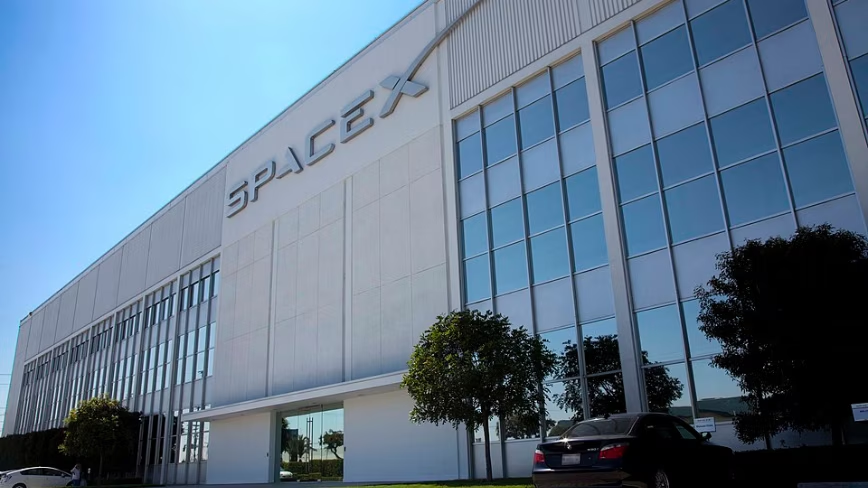
💡See how SpaceX is vertically integrating its energy supply chain to scale Starship launches.
⚡ 30-Second TL;DR
What Changed
SpaceX is building an 8-mile natural gas pipeline called Starpipe.
Why It Matters
Vertical integration of fuel supply reduces dependency on third-party logistics and stabilizes launch costs. It sets a precedent for private space companies to control their own critical energy infrastructure.
What To Do Next
Monitor SpaceX's infrastructure filings to understand how large-scale hardware companies are securing energy independence.
Key Points
- •SpaceX is building an 8-mile natural gas pipeline called Starpipe.
- •The pipeline will directly supply the Starbase facility in Texas.
- •This move signals a shift from purchasing fuel to managing supply chain infrastructure.
🧠 Deep Insight
AI-generated analysis for this event — not the original article.
🔑 Enhanced Key Takeaways
- •The pipeline project, often referred to as the 'Starbase Pipeline,' is designed to bypass local commercial delivery constraints by connecting directly to regional natural gas transmission lines.
- •Regulatory filings indicate the pipeline is intended to support the massive methane requirements for the Raptor engine testing and launch cadence at Starbase.
- •SpaceX has faced significant logistical challenges in the past, relying on a fleet of cryogenic tanker trucks to transport methane and liquid oxygen to the remote Boca Chica site.
- •The project involves coordination with the Railroad Commission of Texas (RRC), which oversees pipeline safety and permitting in the state.
- •By controlling its own fuel supply, SpaceX aims to mitigate price volatility and supply chain disruptions that could otherwise delay the rapid launch schedule of the Starship program.
🛠️ Technical Deep Dive
- Pipeline Diameter: Typically 8-12 inches for industrial supply lines of this nature, though specific dimensions for Starpipe remain proprietary.
- Pressure Rating: Designed to handle high-pressure natural gas transmission to facilitate rapid liquefaction processes at the onsite air separation and methane liquefaction plant.
- Integration: Connects to the onsite cryogenic storage farm, which utilizes large-scale heat exchangers to convert gaseous methane into liquid methane (CH4) at approximately -161 degrees Celsius.
- Throughput: Engineered to support the simultaneous fueling of multiple Starship and Super Heavy boosters during pre-flight static fire tests and launch operations.
🔮 Future ImplicationsAI analysis grounded in cited sources
⏳ Timeline
Weekly AI Recap
Read this week's curated digest of top AI events →
👉Related Updates



AI-curated news aggregator. All content rights belong to original publishers.
Original source: The Next Web (TNW) ↗
This is a summary, not the original. Read the source, or get the weekly briefing.
Weekly AI briefing
One email a week. Unsubscribe anytime.