SpaceX Plans Consumer Starlink Cellular Network Service
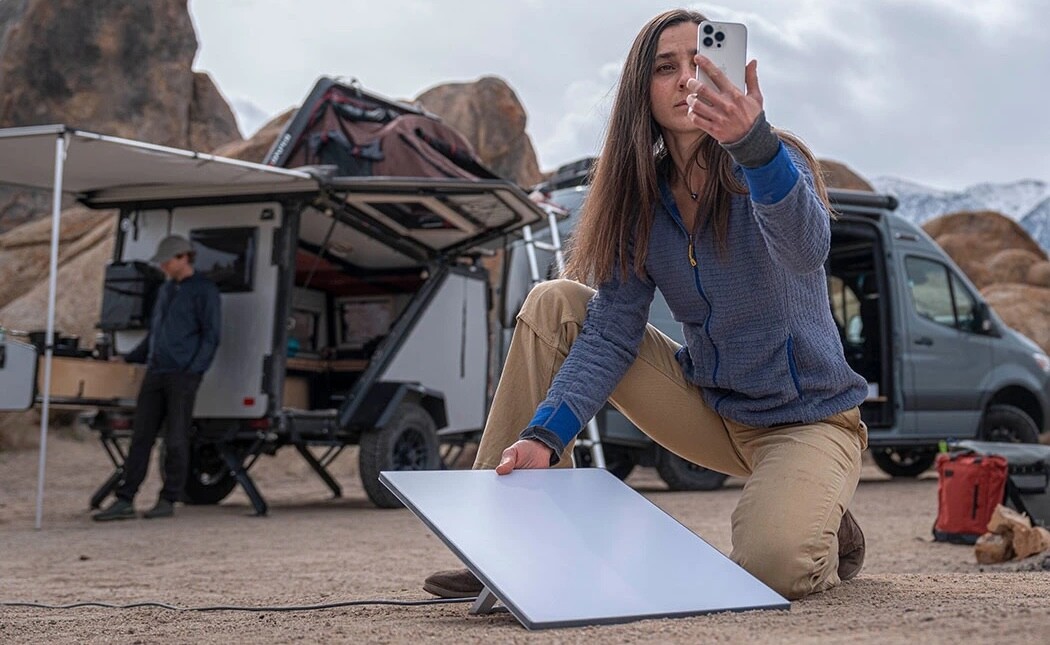
SpaceX's shift to hybrid satellite-cellular networks could redefine infrastructure for edge AI and remote connectivity.
30-Second TL;DR
What Changed
SpaceX aims to sell direct-to-consumer mobile phone plans in the US.
Why It Matters
This move could disrupt the traditional telecom industry by creating a global, hybrid satellite-cellular network, potentially lowering barriers for IoT and remote connectivity.
What To Do Next
Monitor Starlink's API documentation for future satellite-to-cell integration capabilities if you are building remote IoT or edge computing applications.
Key Points
- •SpaceX aims to sell direct-to-consumer mobile phone plans in the US.
- •The strategy involves building a terrestrial cellular network to complement satellite coverage.
- •Company leadership presented this hybrid connectivity vision during recent IPO roadshows.
Deep Insight
AI-generated analysis for this event — not the original article.
Enhanced Key Takeaways
- •SpaceX is leveraging its 'Direct to Cell' technology, which utilizes modified Starlink satellites acting as cell towers in space to eliminate dead zones without requiring specialized hardware for users.
- •The company has secured partnerships with major global carriers, including T-Mobile in the US, to utilize existing spectrum for satellite-to-phone connectivity.
- •Regulatory filings indicate that SpaceX is deploying 'V2 Mini' and 'V2' satellites equipped with large phased-array antennas specifically designed for cellular integration.
- •The hybrid strategy relies on the integration of the Starlink constellation with terrestrial LTE/5G networks to handle high-bandwidth data while using satellites for SMS, voice, and basic data in remote areas.
- •Recent IPO roadshow discussions suggest SpaceX is positioning its cellular service as a premium 'ubiquitous coverage' tier to differentiate from traditional terrestrial-only mobile virtual network operators (MVNOs).
Competitor Analysis
- SpaceX (Starlink Direct)
- Hybrid (Satellite + Terrestrial)
- AST SpaceMobile
- Satellite-to-Cellular
- Lynk Global
- Satellite-to-Cellular
- SpaceX (Starlink Direct)
- Consumer Mobile Plans
- AST SpaceMobile
- Carrier Backhaul/Roaming
- Lynk Global
- Emergency/Basic Messaging
- SpaceX (Starlink Direct)
- Partnered (e.g., T-Mobile)
- AST SpaceMobile
- Partnered (Global Carriers)
- Lynk Global
- Partnered (Global Carriers)
- SpaceX (Starlink Direct)
- Beta/Deployment Phase
- AST SpaceMobile
- Commercial Launch Phase
- Lynk Global
- Testing/Limited Service
| Feature | SpaceX (Starlink Direct) | AST SpaceMobile | Lynk Global |
|---|---|---|---|
| Network Type | Hybrid (Satellite + Terrestrial) | Satellite-to-Cellular | Satellite-to-Cellular |
| Primary Focus | Consumer Mobile Plans | Carrier Backhaul/Roaming | Emergency/Basic Messaging |
| Spectrum Strategy | Partnered (e.g., T-Mobile) | Partnered (Global Carriers) | Partnered (Global Carriers) |
| Status | Beta/Deployment Phase | Commercial Launch Phase | Testing/Limited Service |
Technical Deep Dive
- Direct to Cell utilizes the existing Starlink constellation architecture, specifically the V2 satellites which feature large 7-meter aperture phased-array antennas.
- The system operates by treating the satellite as a roaming partner, allowing standard LTE/5G handsets to connect to the satellite without modifications to the device firmware or hardware.
- Implementation involves the use of specialized ground stations and inter-satellite laser links to route traffic from the satellite to the terrestrial core network with minimal latency.
- The network utilizes the 1.9 GHz PCS G-block spectrum, which is widely supported by existing mobile devices globally.
Future ImplicationsAI analysis grounded in cited sources
Timeline
- 2022-08SpaceX and T-Mobile announce the 'Coverage Above and Beyond' partnership.
- 2024-01SpaceX launches the first batch of Starlink satellites with Direct to Cell capabilities.
- 2024-03SpaceX successfully completes the first text message transmission via satellite to an unmodified phone.
- 2025-05SpaceX begins limited beta testing of cellular connectivity in select rural regions.
Weekly AI Recap
Read this week's curated digest of top AI events →
Related Updates

AI-curated news aggregator. All content rights belong to original publishers.
Original source: cnBeta (Full RSS) ↗
This is a summary, not the original. Read the source, or get the weekly briefing.
The weekly digest
One email a week. Unsubscribe anytime.