South Korea to regulate single-stock leveraged ETFs

💡Regulatory shifts in major markets can trigger sudden volatility in algorithmic trading strategies.
⚡ 30-Second TL;DR
What Changed
Government intervention requested for single-stock leveraged ETFs
Why It Matters
Increased regulation in South Korea could limit the availability of high-risk retail investment products and impact market liquidity for specific stocks.
What To Do Next
If building financial AI models for the Korean market, incorporate regulatory risk factors into your volatility forecasting algorithms.
Key Points
- •Government intervention requested for single-stock leveraged ETFs
- •Concerns over increased market volatility from derivative products
- •Potential for new regulatory frameworks in the Korean financial sector
🧠 Deep Insight
AI-generated analysis for this event.
🔑 Enhanced Key Takeaways
- •The Financial Services Commission (FSC) of South Korea is reportedly considering a 'cooling-off' period or mandatory investor education requirements for retail traders accessing these high-leverage instruments.
- •Market data indicates that single-stock leveraged ETFs have seen a surge in retail trading volume, often exceeding 20% of daily turnover in popular tech-sector stocks.
- •The regulatory push follows a broader trend in South Korea to curb 'gamification' of stock trading, similar to previous restrictions placed on crypto-asset derivatives.
- •Institutional investors have expressed concerns that the delta-hedging activities required by ETF issuers are exacerbating intraday price swings in underlying assets.
- •Legislative discussions suggest that the proposed framework may include stricter leverage caps, potentially limiting products to 1.5x or 2x exposure instead of the current 3x offerings.
🛠️ Technical Deep Dive
- Single-stock leveraged ETFs utilize total return swaps (TRS) or futures contracts to achieve daily target exposure (e.g., 2x or 3x) to the underlying equity.
- The mechanism relies on daily rebalancing, which forces the fund to buy more of the underlying stock when prices rise and sell when they fall, creating a pro-cyclical feedback loop.
- Tracking error and volatility decay are inherent risks, as the compounding effect of daily returns over periods longer than one day deviates from the simple multiple of the stock's performance.
- Liquidity provision is managed by Authorized Participants (APs) who must hedge the fund's exposure in the cash market, directly impacting the order book depth of the underlying stock.
🔮 Future ImplicationsAI analysis grounded in cited sources
⏳ Timeline
Weekly AI Recap
Read this week's curated digest of top AI events →
👉Related Updates
Same topic
Explore #financial-regulation
Same product
More on leveraged-etfs
Same source
Latest from cnBeta (Full RSS)

Microsoft builds airplane cabin to test Windows 11 audio

Google and Epic scrap settlement; third-party stores arriving

Microsoft uses AI to achieve record-breaking security patch volume
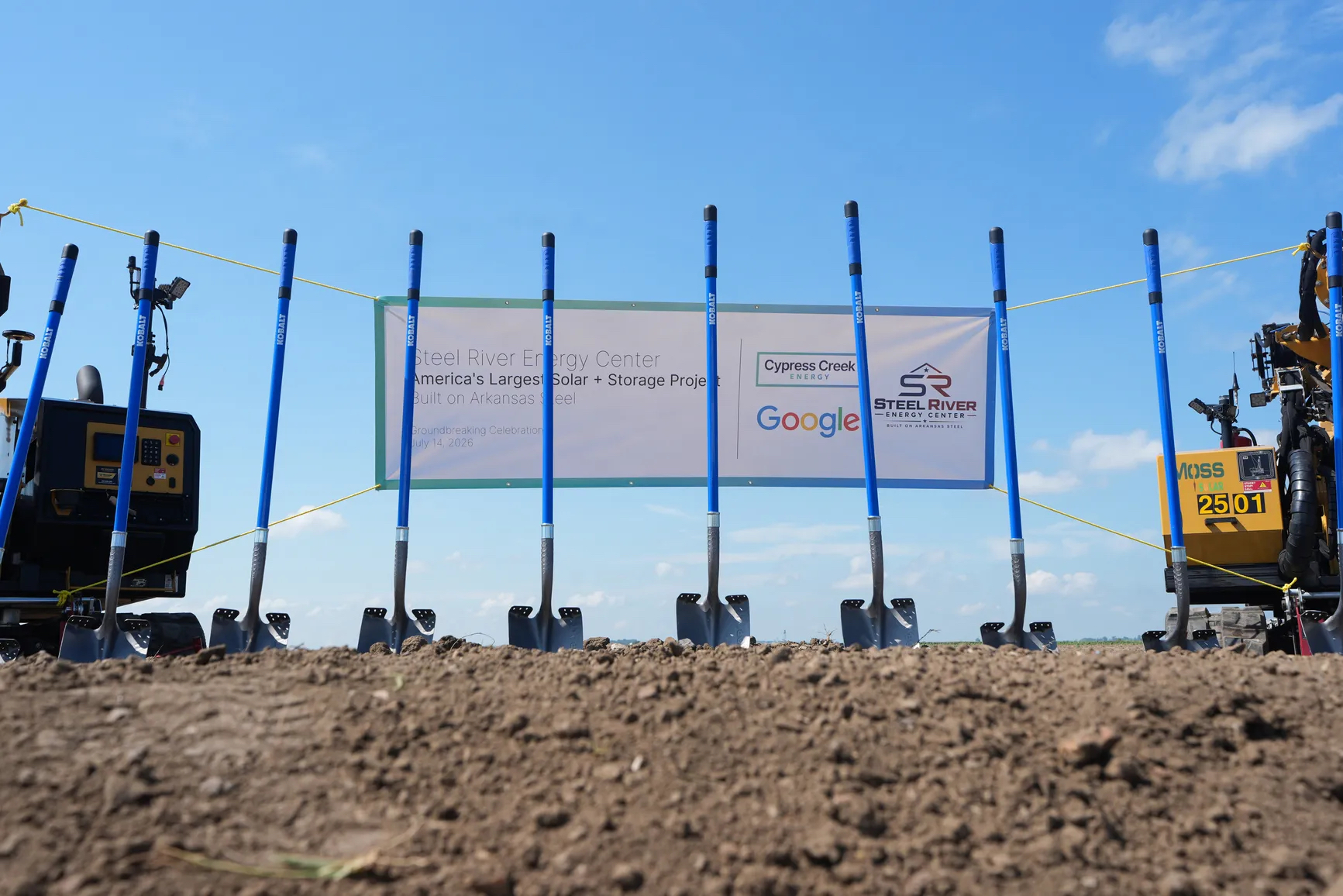
Google expands clean energy for data center operations
AI-curated news aggregator. All content rights belong to original publishers.
Original source: cnBeta (Full RSS) ↗