Google and Epic scrap settlement; third-party stores arriving

💡Major shift in Android ecosystem control; prepare for new distribution channels for your AI apps.
⚡ 30-Second TL;DR
What Changed
Google and Epic Games officially withdrew their settlement agreement.
Why It Matters
This marks a significant shift in mobile platform control, potentially lowering distribution barriers for AI-powered apps and alternative app ecosystems on Android.
What To Do Next
Evaluate your distribution strategy to include third-party Android stores as a viable channel for your AI application.
Key Points
- •Google and Epic Games officially withdrew their settlement agreement.
- •A court-ordered permanent injunction mandates the opening of the Android ecosystem.
- •Third-party Android app stores are scheduled to launch in the US next week.
🧠 Deep Insight
AI-generated analysis for this event.
🔑 Enhanced Key Takeaways
- •The withdrawal of the settlement follows a judicial ruling that rejected the proposed terms, citing concerns over the lack of competitive oversight regarding Google Play's billing requirements.
- •The permanent injunction requires Google to allow third-party stores to access the Google Play Store catalog, effectively ending the 'walled garden' approach for Android apps in the US.
- •Google is mandated to provide third-party stores with access to the Google Play Billing system APIs, though it may charge a 'reasonable' fee for the service.
- •The court ruling explicitly prohibits Google from entering into revenue-sharing agreements with device manufacturers that would incentivize them to pre-install only the Google Play Store.
- •Epic Games has committed to launching its own standalone store and integration within the Epic Games Store app, bypassing traditional Google Play Store distribution entirely.
📊 Competitor Analysis▸ Show
| Feature | Google Play Store | Epic Games Store (Android) | Third-Party Stores (General) |
|---|---|---|---|
| Revenue Share | 15-30% | 12% | Variable (Often 0-15%) |
| Billing System | Mandatory Google Play Billing | Epic Direct Payment | Flexible/Developer Choice |
| App Distribution | Pre-installed/Global | Sideloaded/Direct Download | Sideloaded/Direct Download |
| Security Model | Google Play Protect | Epic/Third-Party Verification | Store-Specific Verification |
🛠️ Technical Deep Dive
- Implementation of the injunction requires Google to expose specific Android APIs that allow third-party stores to perform silent installations and updates, provided the user grants permission.
- Google must modify the Android OS framework to ensure that third-party stores can access the same system-level permissions as the Google Play Store for app management.
- The billing mandate requires Google to provide a technical bridge allowing third-party stores to utilize Google Play's secure payment infrastructure without forcing the use of Google's own payment processing services.
- Security protocols will be updated to allow third-party stores to submit apps for Google Play Protect scanning, ensuring that sideloaded content maintains a baseline safety standard.
🔮 Future ImplicationsAI analysis grounded in cited sources
⏳ Timeline
Weekly AI Recap
Read this week's curated digest of top AI events →
👉Related Updates
Same topic
Explore #mobile-ecosystem
Same product
More on android
Same source
Latest from cnBeta (Full RSS)
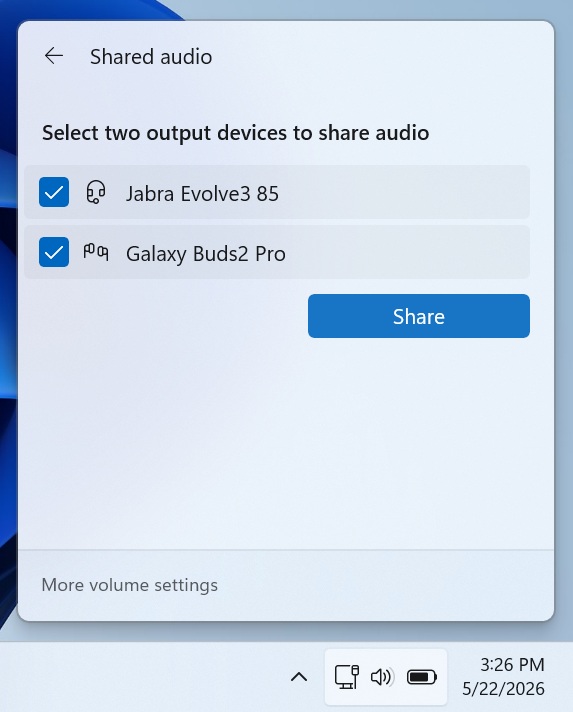
Microsoft builds airplane cabin to test Windows 11 audio

Microsoft uses AI to achieve record-breaking security patch volume
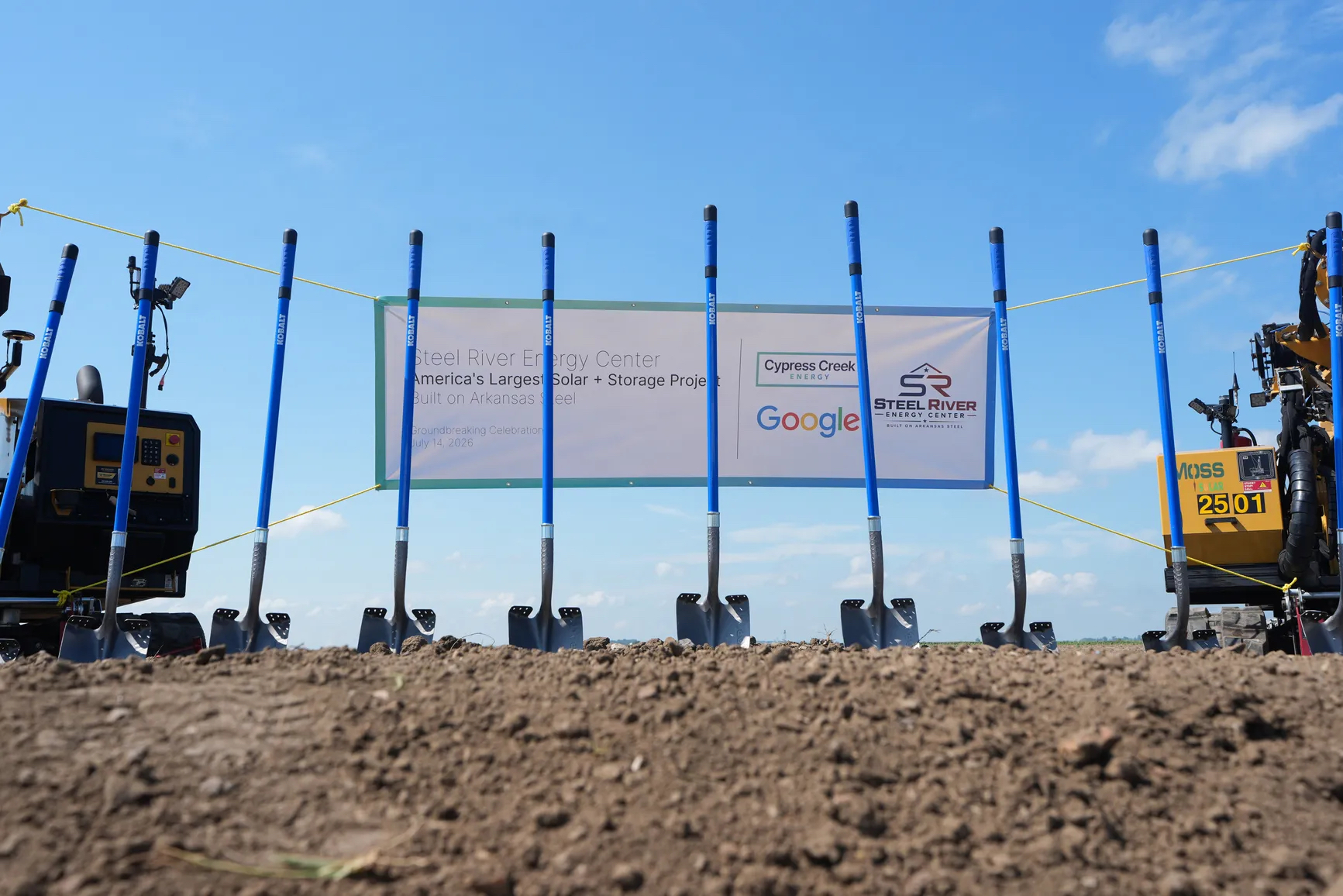
Google expands clean energy for data center operations

TSMC Exec Accused of Stealing Trade Secrets for Intel
AI-curated news aggregator. All content rights belong to original publishers.
Original source: cnBeta (Full RSS) ↗