South African banks pivot to telecom-integrated business models
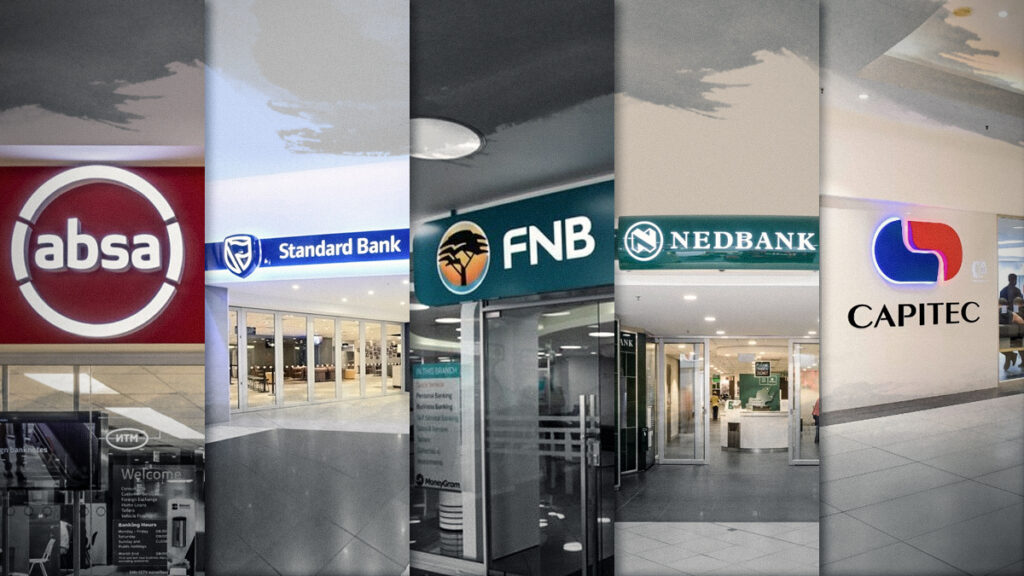
Learn how cross-industry data integration is reshaping digital banking strategies in emerging markets.
30-Second TL;DR
What Changed
Banks are using mobile connectivity as a primary user acquisition channel.
Why It Matters
This trend highlights the convergence of fintech and telco, suggesting that AI-driven personalization in banking will soon rely on deep integration with mobile network data.
What To Do Next
Analyze how your financial services app can integrate with mobile network APIs to offer value-added digital services.
Key Points
- •Banks are using mobile connectivity as a primary user acquisition channel.
- •Integration of telecom services helps banks capture a larger share of daily digital activity.
- •The strategy is a response to a slowing traditional banking market in South Africa.
- •Telecom services provide new data-driven revenue streams for financial institutions.
Deep Insight
AI-generated analysis for this event — not the original article.
Enhanced Key Takeaways
- •South African banks are leveraging Mobile Virtual Network Operator (MVNO) licenses to bypass traditional infrastructure costs and launch branded SIM cards directly to their customer base.
- •The integration of 'bank-telco' ecosystems is specifically targeting the unbanked and underbanked populations by bundling low-cost data packages with zero-rated banking applications.
- •Regulatory shifts by the Independent Communications Authority of South Africa (ICASA) have lowered barriers to entry, allowing financial institutions to act as secondary telecom providers.
- •Data monetization strategies now include using telecom usage patterns to refine credit scoring models, allowing banks to extend credit to individuals with thin traditional credit histories.
- •Major South African financial groups are increasingly adopting 'Super App' architectures that unify banking, insurance, and telecommunications services into a single authenticated interface.
Competitor Analysis
- Bank-Led MVNOs (e.g., TymeBank, FNB)
- Financial Services/Interest
- Traditional Telcos (e.g., Vodacom, MTN)
- Data/Voice Connectivity
- Fintech/Neo-banks
- Transaction Fees
- Bank-Led MVNOs (e.g., TymeBank, FNB)
- Cross-selling to existing base
- Traditional Telcos (e.g., Vodacom, MTN)
- Mass market retail
- Fintech/Neo-banks
- Digital-first/Low cost
- Bank-Led MVNOs (e.g., TymeBank, FNB)
- Proprietary (Bank + Telco data)
- Traditional Telcos (e.g., Vodacom, MTN)
- Limited (Airtime lending)
- Fintech/Neo-banks
- Limited (Transaction data)
- Bank-Led MVNOs (e.g., TymeBank, FNB)
- Financial Conduct (FSCA)
- Traditional Telcos (e.g., Vodacom, MTN)
- Telecommunications (ICASA)
- Fintech/Neo-banks
- Financial Conduct (FSCA)
| Feature | Bank-Led MVNOs (e.g., TymeBank, FNB) | Traditional Telcos (e.g., Vodacom, MTN) | Fintech/Neo-banks |
|---|---|---|---|
| Primary Revenue | Financial Services/Interest | Data/Voice Connectivity | Transaction Fees |
| Customer Acquisition | Cross-selling to existing base | Mass market retail | Digital-first/Low cost |
| Credit Scoring | Proprietary (Bank + Telco data) | Limited (Airtime lending) | Limited (Transaction data) |
| Regulatory Focus | Financial Conduct (FSCA) | Telecommunications (ICASA) | Financial Conduct (FSCA) |
Technical Deep Dive
- Implementation of eSIM technology allows banks to facilitate instant digital onboarding without physical SIM distribution.
- Integration utilizes API-first architectures (Open Banking standards) to bridge core banking systems with telecom billing and provisioning platforms.
- Deployment of AI-driven analytics engines to process cross-domain datasets (financial transactions + network usage) for real-time credit risk assessment.
- Utilization of zero-rating protocols (HTTP header manipulation) to ensure banking app traffic does not consume user data bundles.
Future ImplicationsAI analysis grounded in cited sources
Timeline
- 2019-02TymeBank launches as South Africa's first digital-only bank, setting the stage for integrated service models.
- 2019-08FNB Connect reaches significant scale, proving the viability of the bank-as-an-MVNO model.
- 2022-05Capitec Bank announces strategic partnerships to expand its digital ecosystem beyond basic banking.
- 2024-11Major South African banks report record adoption rates for integrated data-and-banking bundles.
- 2026-03ICASA updates MVNO regulatory framework, further incentivizing financial institutions to expand telecom offerings.
Weekly AI Recap
Read this week's curated digest of top AI events →
AI-curated news aggregator. All content rights belong to original publishers.
Original source: TechCabal ↗
This is a summary, not the original. Read the source, or get the weekly briefing.
The weekly digest
One email a week. Unsubscribe anytime.