Sony Robot Groovots Stars in Idol Concert
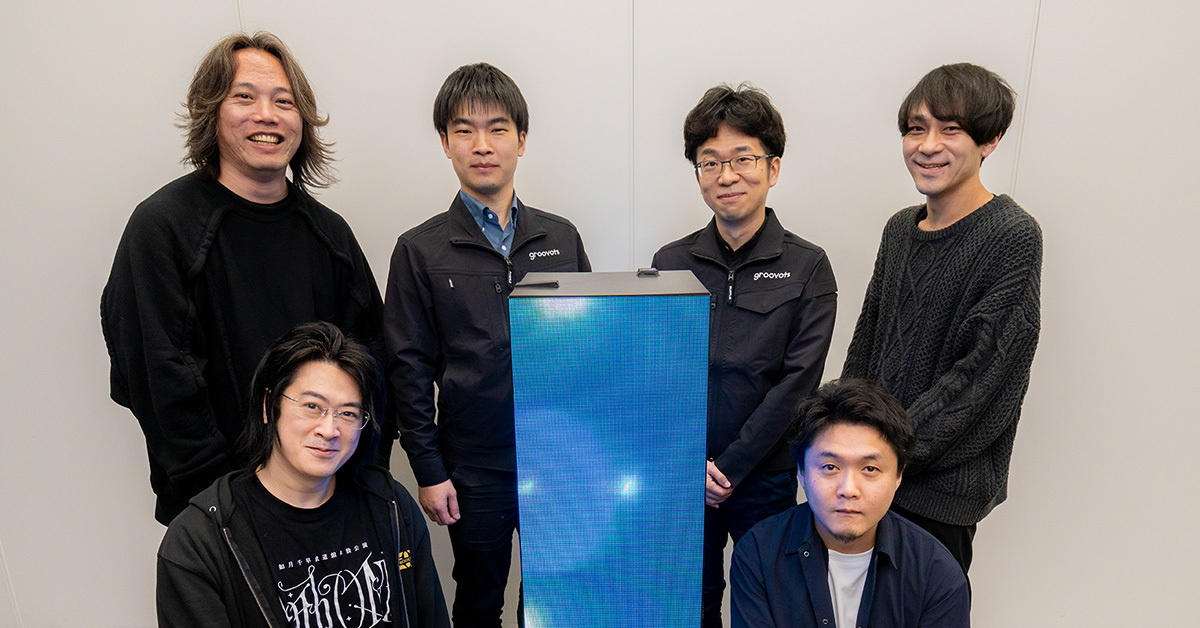
Sony robot becomes concert performer: Blender motions + quick dev conquer live stage.
30-Second TL;DR
What Changed
Sony groovots POC robot debuted at Nippon Budokan Idolmaster concert.
Why It Matters
Highlights rapid robotics prototyping for live entertainment, boosting embodied AI acceptance. Inspires applications blending AI with fan-driven narratives in performances.
What To Do Next
Use Blender to prototype motions for your embodied AI robot projects.
Key Points
- •Sony groovots POC robot debuted at Nippon Budokan Idolmaster concert.
- •Rapid development: months to build large prototype with Blender motions.
- •Gym rehearsals enabled live performance despite on-stage troubles.
- •Fans' applause turned glitches into magical 'performer' moment.
Deep Insight
AI-generated analysis for this event — not the original article.
Enhanced Key Takeaways
- •The 'groovots' project is part of Sony's broader 'Sony AI' initiative, specifically focusing on 'Entertainment Robotics' designed to bridge the gap between autonomous movement and emotional expression in live performance environments.
- •The robot utilizes a proprietary real-time motion synchronization engine that integrates Blender-exported animation data with live sensor feedback to adjust for stage-specific environmental variables.
- •The Nippon Budokan performance served as a 'stress test' for the robot's edge-computing architecture, which processes complex choreography locally to minimize latency during high-speed dance sequences.
Technical Deep Dive
Architecture
- •Utilizes a distributed control system where motion planning is handled by a high-performance local controller, while emotional expression parameters are modulated by a centralized AI model.
- •Hardware features high-torque, low-latency actuators designed specifically for fluid, human-like dance movements rather than industrial precision.
- •Integration of a real-time motion synchronization engine that maps Blender-based keyframe animation to physical joint constraints in real-time.
Development Stack
- •Motion Design: Blender (for choreography and keyframe animation).
- •Simulation: Proprietary physics-based gym environment for reinforcement learning and motion refinement.
- •Deployment: Edge-computing hardware for low-latency execution during live performances.
Future ImplicationsAI analysis grounded in cited sources
Timeline
- 2025-09Sony AI announces the initiation of the groovots entertainment robotics project.
- 2026-01Initial prototype testing begins in controlled gym environments to refine motion stability.
- 2026-04Official public debut of the groovots prototype at the Idolmaster concert in Nippon Budokan.
Weekly AI Recap
Read this week's curated digest of top AI events →
Related Updates
AI-curated news aggregator. All content rights belong to original publishers.
Original source: ITmedia AI+ (日本) ↗
This is a summary, not the original. Read the source, or get the weekly briefing.
The weekly digest
One email a week. Unsubscribe anytime.