Sony Confirms AI Frame Gen for PS, Not This Year
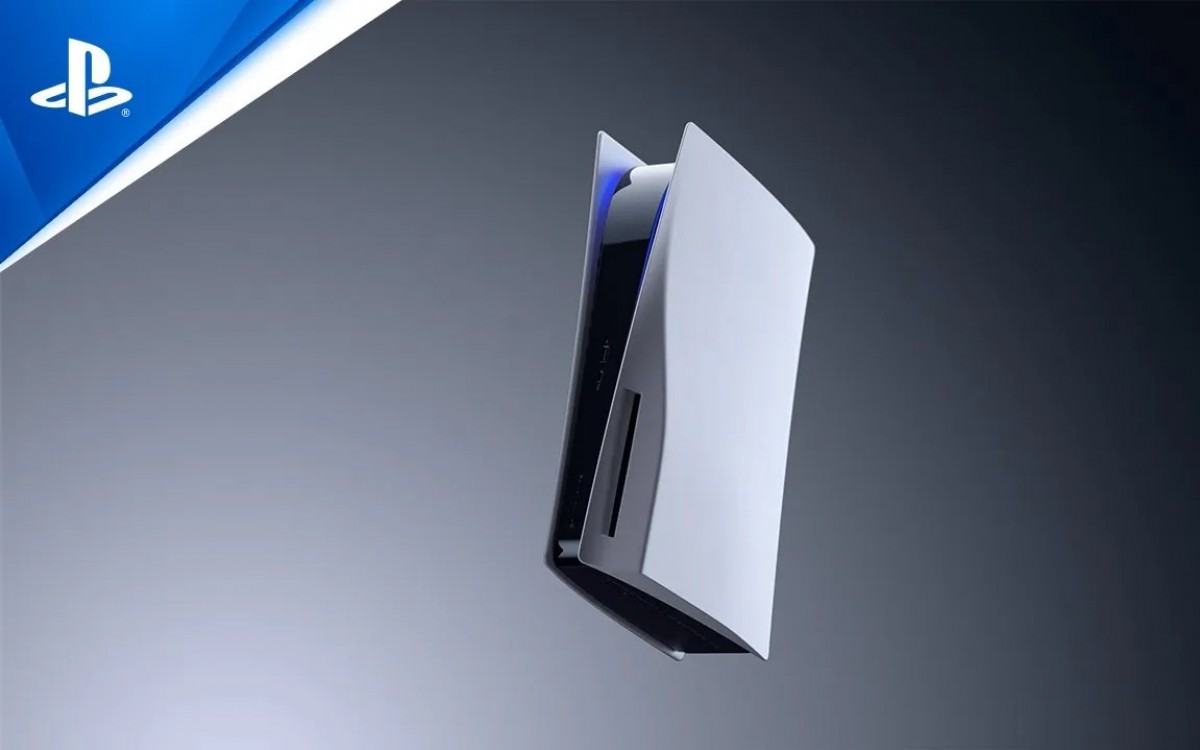
💡Sony's AI frame gen for PS previews ML's console gaming push—vital for graphics devs.
⚡ 30-Second TL;DR
What Changed
Mark Cerny confirms ML frame generation for PlayStation platforms
Why It Matters
Boosts PlayStation competitiveness in AI-driven graphics like DLSS. Signals growing ML integration in consoles for smoother gameplay.
What To Do Next
Test open-source ML frame gen tools like RIFE to prototype PS-like upscaling.
Key Points
- •Mark Cerny confirms ML frame generation for PlayStation platforms
- •Technology evolves alongside Sony-AMD graphics project
- •Explicitly no new features in 2024
- •Based on Digital Foundry interview
🧠 Deep Insight
AI-generated analysis for this event — not the original article.
🔑 Enhanced Key Takeaways
- •The technology is expected to leverage dedicated AI hardware accelerators integrated into the custom semi-custom silicon developed by AMD for future PlayStation iterations, moving beyond software-only solutions.
- •Sony is positioning this ML-based upscaling and frame generation as a direct competitor to NVIDIA's DLSS and AMD's FSR, aiming to standardize a proprietary solution across the PlayStation ecosystem to reduce developer porting overhead.
- •Industry analysts suggest the delay into 2026 or beyond is tied to the optimization of the neural processing unit (NPU) architecture within the next-generation console's APU, ensuring power efficiency during high-fidelity rendering.
📊 Competitor Analysis▸ Show
| Feature | Sony ML Frame Gen | NVIDIA DLSS 3.5 | AMD FSR 3.1 |
|---|---|---|---|
| Hardware Requirement | Custom PlayStation APU | RTX 40-Series (Tensor Cores) | Hardware Agnostic |
| Implementation | System-level API | Driver/Game Engine | Game Engine |
| Primary Goal | Console Optimization | High-end PC Performance | Cross-platform Scaling |
🛠️ Technical Deep Dive
- •Utilizes temporal data from previous frames combined with motion vectors to predict intermediate frame content.
- •Architecture relies on a dedicated machine learning block within the custom AMD-designed APU, distinct from the primary GPU compute units.
- •Designed to integrate with Sony's proprietary 'PSSR' (PlayStation Spectral Super Resolution) upscaling pipeline to minimize visual artifacts like ghosting.
- •Focuses on low-latency frame injection to maintain controller responsiveness, a critical requirement for console gaming standards.
🔮 Future ImplicationsAI analysis grounded in cited sources
⏳ Timeline
Weekly AI Recap
Read this week's curated digest of top AI events →
👉Related Updates
AI-curated news aggregator. All content rights belong to original publishers.
Original source: cnBeta (Full RSS) ↗
This is a summary, not the original. Read the source, or get the weekly briefing.
Weekly AI briefing
One email a week. Unsubscribe anytime.