Snack Retail Giants Disrupt Traditional Supply Chain Models
💡Learn how data-driven supply chain automation is disrupting traditional retail distribution models.
⚡ 30-Second TL;DR
What Changed
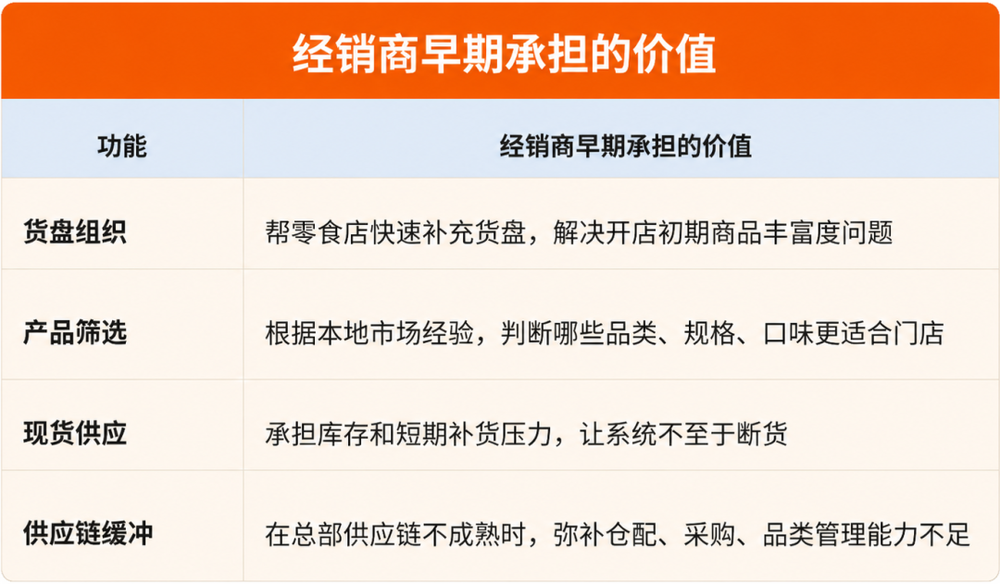
Retail chains are shifting from using distributors to direct manufacturer sourcing.
Why It Matters
This shift highlights the necessity of digital transformation and data integration for traditional businesses facing platform-based competition.
What To Do Next
If building B2B platforms, focus on integrating real-time inventory and sales data to provide value beyond simple logistics.
Key Points
- •Retail chains are shifting from using distributors to direct manufacturer sourcing.
- •Data-driven supply chain management is replacing traditional wholesale models.
- •Scale allows for centralized procurement, lower costs, and standardized inventory.
🧠 Deep Insight
AI-generated analysis for this event — not the original article.
🔑 Enhanced Key Takeaways
- •The rise of 'discount snack chains' (e.g., Lingshi Henmang, Zhao Yiming) has triggered a price war that forces manufacturers to accept lower margins in exchange for high-volume, rapid inventory turnover.
- •Private label development has become a core strategy, allowing retailers to capture higher margins by bypassing branded snack manufacturers entirely for commodity items like nuts and dried fruits.
- •Retailers are implementing 'store-level demand forecasting' using AI algorithms that analyze local consumer demographics to optimize SKU selection per location, reducing waste.
- •The shift has led to the consolidation of the snack industry, as smaller regional distributors are being squeezed out of the value chain, leading to a 'winner-takes-all' dynamic among national retail chains.
- •Logistics models have transitioned to a 'hub-and-spoke' distribution system where retailers operate their own regional warehouses, further reducing reliance on third-party logistics (3PL) providers.
📊 Competitor Analysis▸ Show
| Feature | Traditional Snack Retail | Modern Discount Snack Chains | Direct-to-Consumer (DTC) Brands |
|---|---|---|---|
| Sourcing | Multi-layer distributors | Direct-to-Manufacturer | Direct-to-Consumer |
| Pricing | High (Premium markup) | Low (High volume/Low margin) | Variable (Brand premium) |
| Inventory | Slow turnover | Rapid (Data-driven) | Just-in-time |
| Market Focus | General retail/Convenience | Value-conscious mass market | Niche/Premium segments |
🛠️ Technical Deep Dive
- Inventory Management: Implementation of WMS (Warehouse Management Systems) integrated with POS (Point of Sale) data to trigger automated replenishment orders directly to manufacturers.
- Demand Forecasting: Utilization of machine learning models (often based on XGBoost or Prophet) to predict seasonal snack demand based on historical sales, local weather, and regional holidays.
- Supply Chain Visibility: Adoption of RFID and IoT-enabled tracking for real-time monitoring of stock levels across thousands of distributed retail outlets.
- Procurement Platforms: Use of centralized B2B procurement portals that allow manufacturers to bid on volume contracts, creating a dynamic pricing environment.
🔮 Future ImplicationsAI analysis grounded in cited sources
⏳ Timeline
Weekly AI Recap
Read this week's curated digest of top AI events →
👉Related Updates
AI-curated news aggregator. All content rights belong to original publishers.
Original source: 虎嗅 ↗
This is a summary, not the original. Read the source, or get the weekly briefing.
Weekly AI briefing
One email a week. Unsubscribe anytime.