SMIC Profits Surge on AI’s Mature-Node Boom
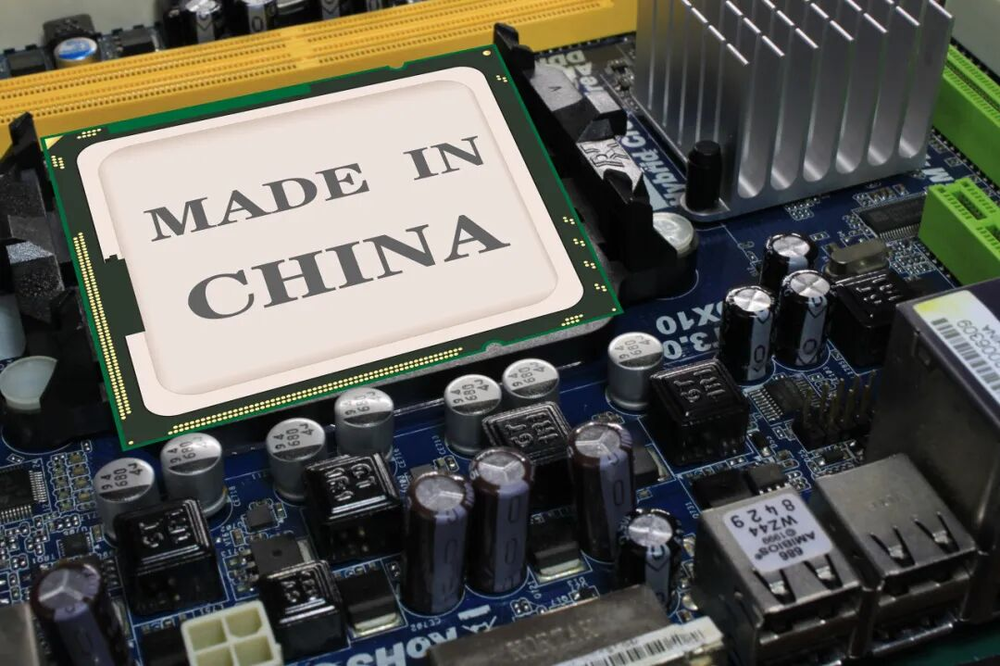
💡AI demand is tightening the mature-node chips that keep servers powered, connected, and operational.
⚡ 30-Second TL;DR
What Changed
SMIC’s second-quarter revenue reached $3.0 billion, up 36.1% year over year, while net profit rose 261.7% to $479 million.
Why It Matters
The article highlights an important AI infrastructure dynamic: AI investment can tighten mature-node capacity even when a foundry is not competitive in advanced GPUs or 3nm/5nm manufacturing. For AI companies, power-management and support silicon may become as important a supply-chain constraint as accelerators.
What To Do Next
Audit your AI hardware bill of materials for mature-node dependencies, especially power-management, interface, and control chips, and qualify a second foundry supplier.
Key Points
- •SMIC’s second-quarter revenue reached $3.0 billion, up 36.1% year over year, while net profit rose 261.7% to $479 million.
- •Wafer shipments increased 14% quarter over quarter, average wafer pricing rose 5.7%, and utilization reached 93.7%.
- •Smartphone revenue share fell from 25.2% to 16.9% in one year as industrial, automotive, and computing demand expanded.
- •AI servers require substantially more power semiconductors and supporting chips, many of which use 55nm, 65nm, or 90nm processes.
🧠 Deep Insight
AI-generated analysis for this event.
🔑 Enhanced Key Takeaways
- •SMIC's capacity expansion strategy has shifted focus toward 12-inch wafer fabs in cities like Tianjin and Shanghai to meet the sustained demand for mature-node power management ICs (PMICs) and display drivers.
- •The surge in net profit is partially attributed to a favorable product mix shift, where SMIC has successfully increased the proportion of higher-margin specialty process technologies such as BCD (Bipolar-CMOS-DMOS) and embedded non-volatile memory.
- •Geopolitical export controls have inadvertently accelerated domestic substitution in China, forcing local fabless design houses to migrate their supply chains from overseas foundries to SMIC, bolstering its long-term order book.
- •SMIC has implemented aggressive cost-optimization measures and yield improvements in its 28nm and 40nm nodes, which are currently serving as the 'workhorse' nodes for AI-related peripheral chips.
- •Despite the focus on mature nodes, SMIC continues to invest in R&D for advanced packaging solutions to integrate these mature-node chips into high-density AI server modules, enhancing overall system performance.
📊 Competitor Analysis▸ Show
| Feature | SMIC | TSMC | GlobalFoundries | UMC |
|---|---|---|---|---|
| Primary Focus | Mature Nodes / Domestic Substitution | Leading-Edge / High-Performance | Specialized Mature Nodes | Mature Nodes / Cost-Efficiency |
| AI Strategy | Peripheral/Power Chips | GPU/NPU/Advanced Packaging | IoT/Automotive/Power | Automotive/Connectivity |
| Pricing Strategy | Competitive/Subsidized | Premium/High-Margin | Value-Added/Specialty | Cost-Competitive |
🛠️ Technical Deep Dive
- BCD Process Technology: SMIC has optimized its Bipolar-CMOS-DMOS (BCD) process to handle higher voltage requirements for AI server power delivery systems.
- Node Specialization: Utilization of 55nm and 65nm nodes for high-reliability power management and interface controllers, which are less susceptible to the yield issues found in sub-7nm nodes.
- Wafer Level Packaging: Integration of mature-node silicon into advanced system-in-package (SiP) configurations to support high-speed data transfer in AI server architectures.
- Yield Optimization: Implementation of AI-driven defect detection and process control in 28nm production lines to maximize output for high-demand AI peripheral components.
🔮 Future ImplicationsAI analysis grounded in cited sources
⏳ Timeline
Weekly AI Recap
Read this week's curated digest of top AI events →
👉Related Updates



AI-curated news aggregator. All content rights belong to original publishers.
Original source: 虎嗅 ↗