Smartwatches and AI for early illness detection
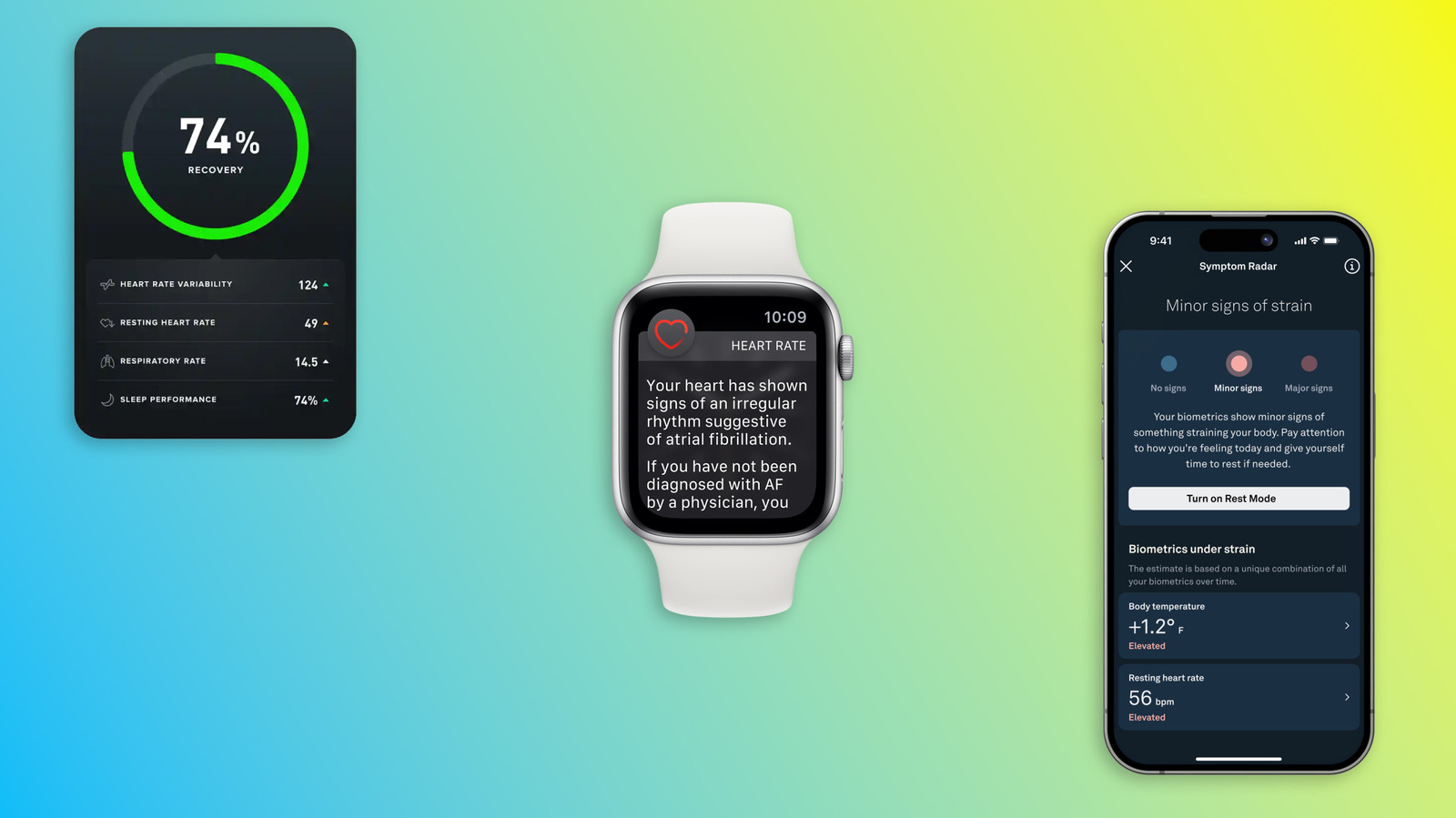
💡Understand how anomaly detection models in wearables are transforming proactive health monitoring.
⚡ 30-Second TL;DR
What Changed
Wearables track physiological baselines to detect subtle health changes.
Why It Matters
This highlights the growing role of predictive health analytics in consumer hardware. It suggests a shift toward proactive healthcare monitoring through continuous data streams.
What To Do Next
Explore time-series anomaly detection libraries like PyOD or Prophet to model physiological baseline patterns for health-tech applications.
Key Points
- •Wearables track physiological baselines to detect subtle health changes.
- •AI algorithms identify outliers that deviate from individual user patterns.
- •Early detection serves as a diagnostic aid rather than a replacement for medical advice.
🧠 Deep Insight
AI-generated analysis for this event — not the original article.
🔑 Enhanced Key Takeaways
- •Wearables are increasingly integrating multi-modal sensor fusion, combining photoplethysmography (PPG) with electrodermal activity (EDA) and skin temperature sensors to improve the specificity of illness detection.
- •The FDA has begun granting De Novo classifications to specific AI-driven algorithms in wearables that detect atrial fibrillation and sleep apnea, signaling a shift toward treating these devices as clinical-grade diagnostic tools.
- •Privacy-preserving machine learning techniques, such as federated learning, are being adopted by major manufacturers to train health models locally on devices without transmitting raw biometric data to the cloud.
- •Longitudinal studies have demonstrated that AI-powered wearables can detect presymptomatic signs of viral infections, such as COVID-19 or influenza, up to 48 hours before the onset of clinical symptoms.
- •The integration of Large Language Models (LLMs) into health companion apps allows users to receive natural language interpretations of their biometric outliers, bridging the gap between raw data and actionable health insights.
📊 Competitor Analysis▸ Show
| Feature | Apple Watch (Series 9/10) | Oura Ring (Gen 3/4) | Garmin (Fenix/Epix) |
|---|---|---|---|
| Primary Focus | General Health/Smartwatch | Sleep & Recovery | Performance/Athletic |
| Illness Detection | Vitals App (Temp/HRV) | Readiness Score/Temp | Body Battery/HRV Status |
| Pricing | $399+ | $299+ (plus sub) | $699+ |
| Clinical Benchmarks | FDA-cleared ECG/AFib | Research-grade sleep | High-intensity HRV tracking |
🛠️ Technical Deep Dive
- Sensor Fusion: Utilizes Kalman filtering to combine noisy PPG signals with accelerometer data to reduce motion artifacts during continuous monitoring.
- Model Architecture: Employs Recurrent Neural Networks (RNNs) or Long Short-Term Memory (LSTM) networks to analyze time-series biometric data for anomaly detection.
- Baseline Calibration: Algorithms typically require a 7-14 day 'learning period' to establish a personalized circadian and physiological baseline before outlier detection is enabled.
- Edge Processing: Implementation of low-power Neural Processing Units (NPUs) on wearable SoCs allows for real-time inference of health metrics without waking the main application processor.
🔮 Future ImplicationsAI analysis grounded in cited sources
⏳ Timeline
Weekly AI Recap
Read this week's curated digest of top AI events →
👉Related Updates
AI-curated news aggregator. All content rights belong to original publishers.
Original source: Engadget ↗
This is a summary, not the original. Read the source, or get the weekly briefing.
Weekly AI briefing
One email a week. Unsubscribe anytime.