Smartphone Photography Shifts Toward Modular Hardware Ecosystems
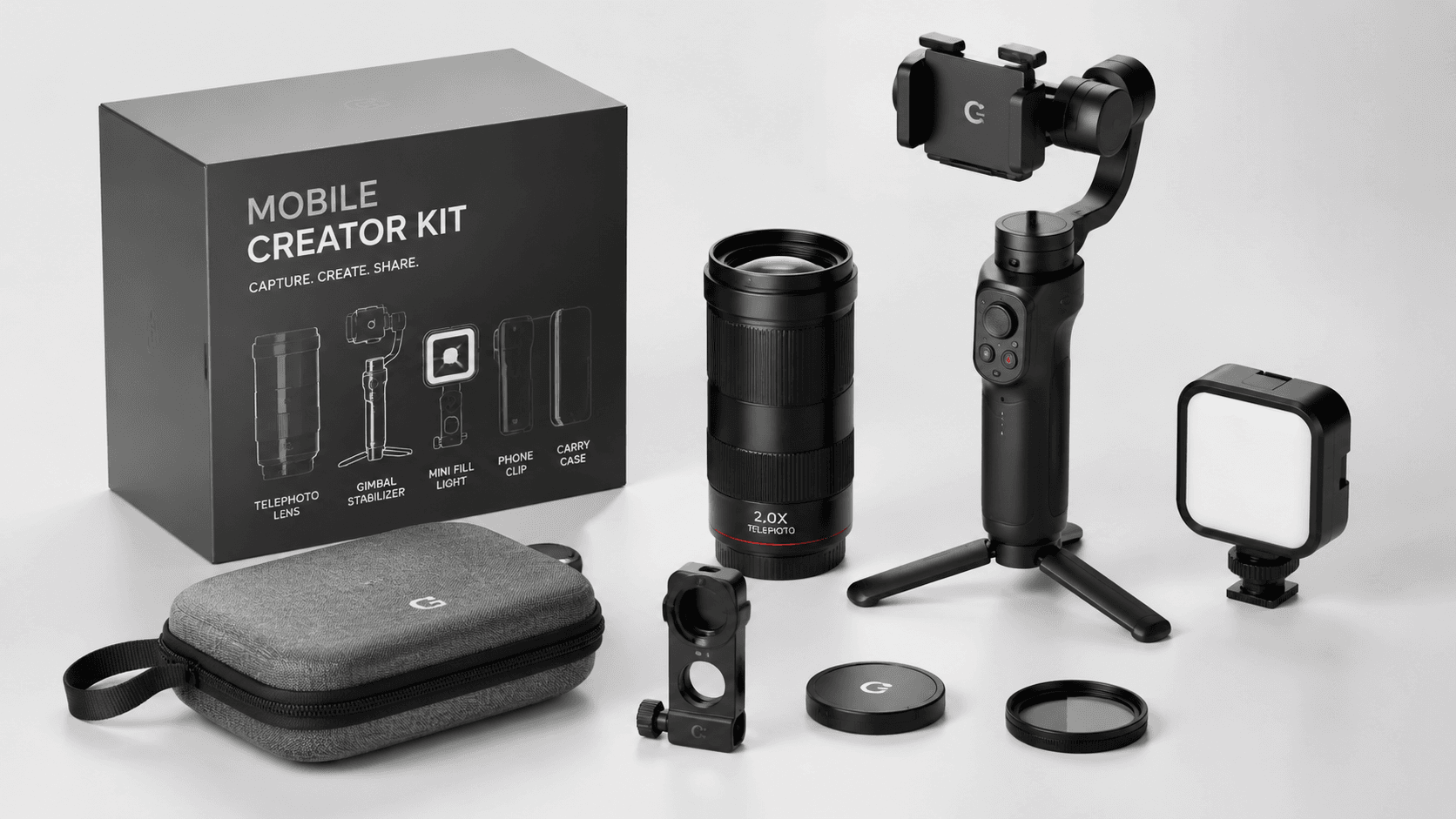
💡Understand the hardware-software hybrid strategy smartphone makers are using to overcome AI image processing limits.
⚡ 30-Second TL;DR
What Changed
Manufacturers are integrating magnetic accessories to bypass physical camera constraints.
Why It Matters
This trend highlights that even with advanced AI, hardware physical constraints remain a bottleneck, forcing a hybrid approach of software-defined and modular hardware solutions.
What To Do Next
Explore how your computer vision models can be optimized to handle input from modular, variable-aperture external lenses.
Key Points
- •Manufacturers are integrating magnetic accessories to bypass physical camera constraints.
- •The ecosystem includes telephoto lenses, fill lights, and compact gimbals.
- •Modular hardware is being used to complement AI-based computational photography.
🧠 Deep Insight
AI-generated analysis for this event — not the original article.
🔑 Enhanced Key Takeaways
- •The shift toward modularity is driven by the 'optical bottleneck' where sensor size increases are physically limited by smartphone chassis thickness.
- •Standardization of magnetic attachment interfaces, such as the adoption of MagSafe-compatible ecosystems by Android OEMs, is reducing fragmentation in the accessory market.
- •Modular hardware integration is enabling 'hybrid optical-computational' workflows, where external lenses provide raw optical data that AI models process with higher fidelity than digital zoom.
- •Major Chinese OEMs are collaborating with traditional camera manufacturers to develop proprietary communication protocols that allow external modular lenses to be recognized by the native camera app's ISP (Image Signal Processor).
- •The rise of modular ecosystems is creating a new revenue stream for smartphone manufacturers through high-margin, first-party accessory sales, shifting the business model from hardware-only to hardware-plus-ecosystem.
📊 Competitor Analysis▸ Show
| Feature | Xiaomi (Ultra Series) | Apple (iPhone Pro) | Vivo (X Series) |
|---|---|---|---|
| Modular Interface | Proprietary Magnetic Ring | MagSafe (Standard) | Magnetic/Clip-on Hybrid |
| Primary Focus | Professional Photography Kits | Consumer Convenience | Optical Performance |
| Ecosystem Maturity | High (Dedicated Lens Kits) | Medium (Third-party focus) | High (Gimbal/Lens focus) |
🛠️ Technical Deep Dive
- Implementation of high-speed data pins within magnetic mounts allows for real-time metadata exchange between the external lens and the phone's ISP.
- Utilization of low-latency Bluetooth or NFC handshaking protocols to authenticate third-party modular hardware, ensuring compatibility with native camera software.
- Integration of software-defined optical correction profiles that automatically trigger when a specific modular lens is detected, compensating for edge distortion and chromatic aberration.
- Use of specialized mounting brackets that incorporate heat-dissipation materials to prevent thermal throttling during extended use of high-power modular accessories like fill lights or external cooling fans.
🔮 Future ImplicationsAI analysis grounded in cited sources
⏳ Timeline
Weekly AI Recap
Read this week's curated digest of top AI events →
👉Related Updates
AI-curated news aggregator. All content rights belong to original publishers.
Original source: Pandaily ↗
This is a summary, not the original. Read the source, or get the weekly briefing.
Weekly AI briefing
One email a week. Unsubscribe anytime.