Sleepy Driver Crashes 30m on Smart Assist

💡Real crash exposes smart driving limits—critical for AV builders to audit safeguards now
⚡ 30-Second TL;DR
What Changed
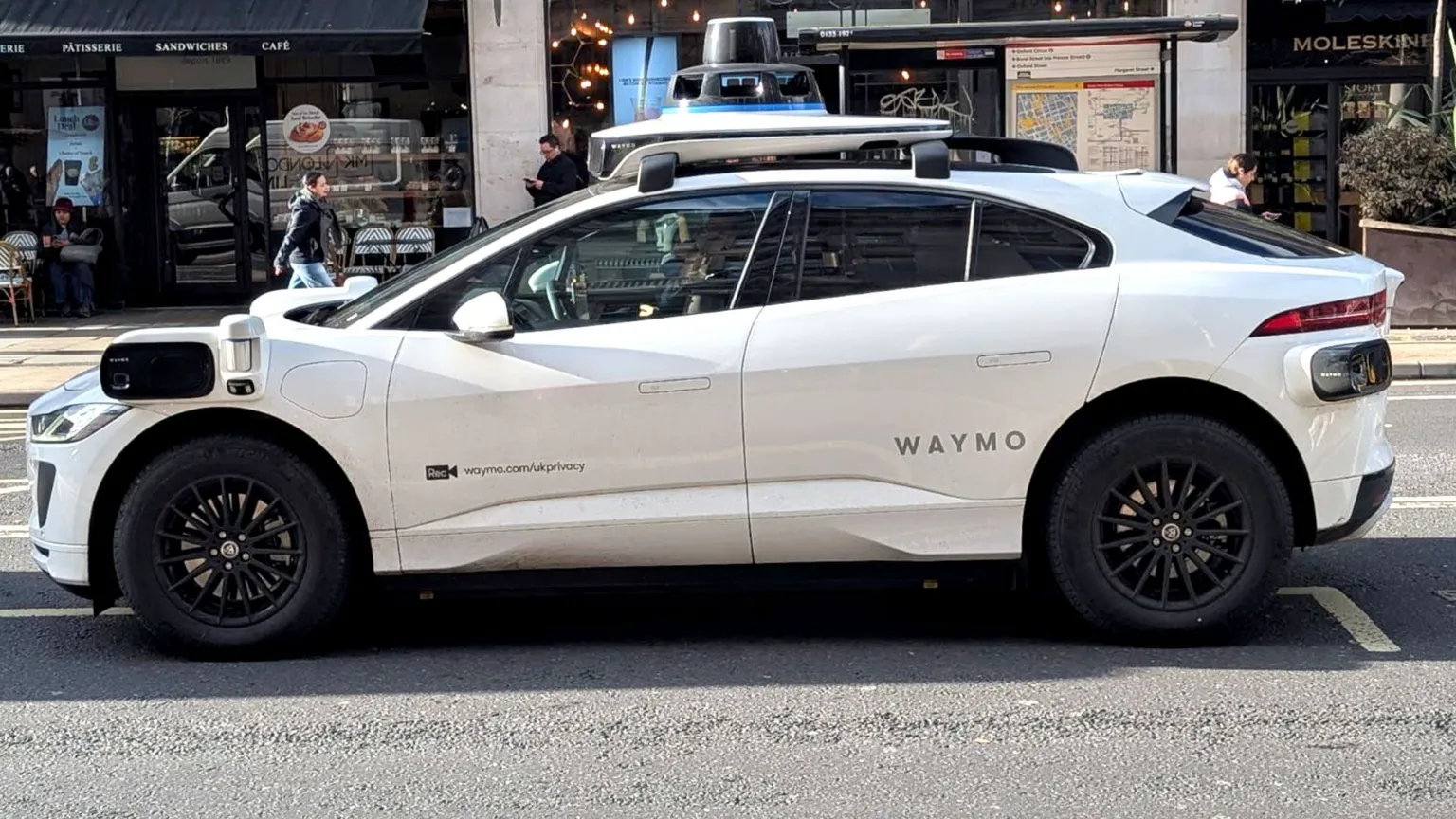
Driver fell asleep relying on smart driving
Why It Matters
Highlights over-reliance risks on partial autonomy, urging AV developers to enhance fail-safes and driver alerts. Could influence regulatory scrutiny on ADAS marketing.
What To Do Next
Test your ADAS emergency disengagement in simulated drowsy driver scenarios using CARLA simulator.
Key Points
- •Driver fell asleep relying on smart driving
- •Vehicle crashed 30 meters into water barriers nonstop
- •Current systems are L2+ assistance needing human oversight
- •L4 full autonomy not yet mainstream
🧠 Deep Insight
Background and context from public sources — not the original article. 6 sources cited.
🔑 Enhanced Key Takeaways
- •Drowsy driving accounts for an estimated 17.6% of fatal vehicle crashes, with approximately 6,326 deaths in 2023 alone—10 times higher than official reports suggest—due to underreporting from lack of physical evidence and driver unconsciousness at impact[4].
- •Tesla has begun recommending drivers detected as drowsy to activate Full Self-Driving mode via in-car messages, a controversial approach that contradicts FSD's requirement for constant driver alertness and has drawn criticism given the system's involvement in fatal crashes and federal investigations[1].
- •Research demonstrates that active cognitive engagement through voice assistants—particularly repeating phrases and answering questions—significantly reduces drowsiness better than passive listening, with drivers showing improved lane stability and attention[2].
- •Modern vehicle infotainment touchscreens require 5.5+ seconds of visual attention for simple tasks compared to 1.5 seconds with physical controls, with glances exceeding two seconds known to substantially increase crash risk[5].
- •Driver-monitoring systems using cameras to detect drowsiness indicators like yawning and excessive blinking are increasingly integrated into late-model vehicles as preventive technology, though they remain secondary to human responsibility[4].
🔮 Future ImplicationsAI analysis grounded in cited sources
⏳ Timeline
📎 Sources (6)
Factual claims are grounded in the sources below. Forward-looking analysis is AI-generated interpretation.
- futurism.com — Tesla Sleepy Fsd
- etsc.eu — New Study Shows in Car Voice Assistants Could Help Prevent Drowsy Driving Crashes
- ulg.law — Beyond the Wheel How Distracted Driving Death Statistics Impact US All
- smartcitiesdive.com — 813154
- hiltonsomer.com — Distracted Driving Isnt Just Phones Anymore New Causes of Car Accidents in 2026
- drivesmartva.org — Week of January 26 2026
Weekly AI Recap
Read this week's curated digest of top AI events →
👉Related Updates

AI-curated news aggregator. All content rights belong to original publishers.
Original source: cnBeta (Full RSS) ↗
This is a summary, not the original. Read the source, or get the weekly briefing.
Weekly AI briefing
One email a week. Unsubscribe anytime.