SK Hynix's AI Memory Pricing Power Overestimated
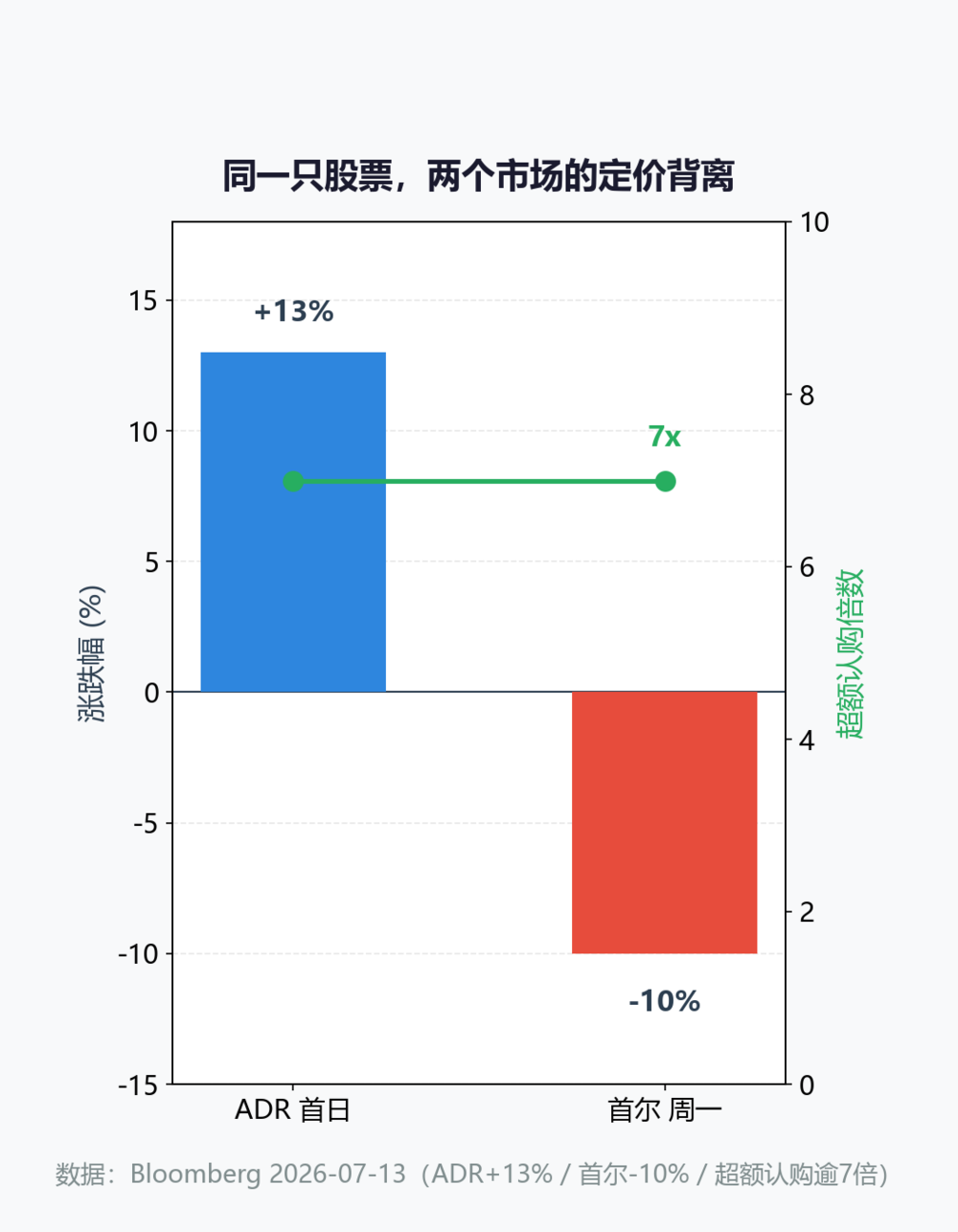
💡Understand the risks behind the AI memory supply chain and why HBM's pricing power might be peaking.
⚡ 30-Second TL;DR
What Changed
SK Hynix's valuation is heavily driven by AI narrative and market leverage rather than pure profit growth.
Why It Matters
Investors and practitioners should be cautious of the 'AI memory' hype cycle, as supply chain concentration poses long-term risks to hardware margins.
What To Do Next
Monitor DRAM vs. HBM price trends in quarterly reports to gauge the sustainability of AI hardware demand.
Key Points
- •SK Hynix's valuation is heavily driven by AI narrative and market leverage rather than pure profit growth.
- •High concentration of customers (Nvidia) creates a double-edged sword for HBM suppliers.
- •HBM price growth is slowing down compared to traditional DRAM, signaling a potential shift in market scarcity.
- •The gap between AI capital expenditure and actual memory revenue recovery suggests a time mismatch.
🧠 Deep Insight
AI-generated analysis for this event — not the original article.
🔑 Enhanced Key Takeaways
- •SK Hynix has faced increasing competition in the HBM3E and HBM4 markets as Samsung Electronics and Micron Technology ramp up their own high-bandwidth memory production capacities to challenge the current supply dominance.
- •The transition from HBM3E to HBM4 involves a shift to a 2048-bit wide interface, which significantly increases the complexity of the manufacturing process and may impact yield rates for all suppliers.
- •SK Hynix has entered into strategic partnerships with TSMC to co-optimize HBM integration with logic dies, a move intended to create a 'moat' against competitors by standardizing the base die process.
- •Recent industry reports indicate that while HBM demand remains high, the 'oversupply' risk is emerging in the legacy DRAM sector, which traditionally subsidizes the R&D costs for advanced AI memory.
- •Regulatory scrutiny regarding the concentration of the AI supply chain has prompted major hyperscalers to actively pursue a multi-vendor strategy, reducing their exclusive reliance on SK Hynix for next-generation memory.
📊 Competitor Analysis▸ Show
| Feature | SK Hynix | Samsung Electronics | Micron Technology |
|---|---|---|---|
| HBM Market Position | Current Leader (HBM3E) | Aggressive Expansion | Fast Follower (HBM3E/4) |
| Primary Strategy | TSMC Partnership/Co-packaging | Vertical Integration (Foundry) | Cost-Efficiency/Capacity Scaling |
| HBM4 Readiness | Advanced Development | Pilot Production | Roadmap Alignment |
🛠️ Technical Deep Dive
- HBM4 Architecture: Utilizes a 2048-bit interface compared to the 1024-bit interface of HBM3E, effectively doubling the bandwidth per stack.
- Base Die Integration: SK Hynix is moving to a logic-based base die for HBM4, allowing for custom logic integration directly within the memory stack.
- Thermal Management: Implementation of advanced thermal dissipation materials is required to handle the increased power density of HBM4 stacks exceeding 16 layers.
- Through-Silicon Via (TSV) Scaling: Increased density of TSV connections is necessary to support the wider interface, requiring finer pitch lithography in the interposer layer.
🔮 Future ImplicationsAI analysis grounded in cited sources
⏳ Timeline
Weekly AI Recap
Read this week's curated digest of top AI events →
👉Related Updates

AI-curated news aggregator. All content rights belong to original publishers.
Original source: 虎嗅 ↗
This is a summary, not the original. Read the source, or get the weekly briefing.
The weekly digest
One email a week. Unsubscribe anytime.