SiliconFlow's IPO Narrative Misunderstood
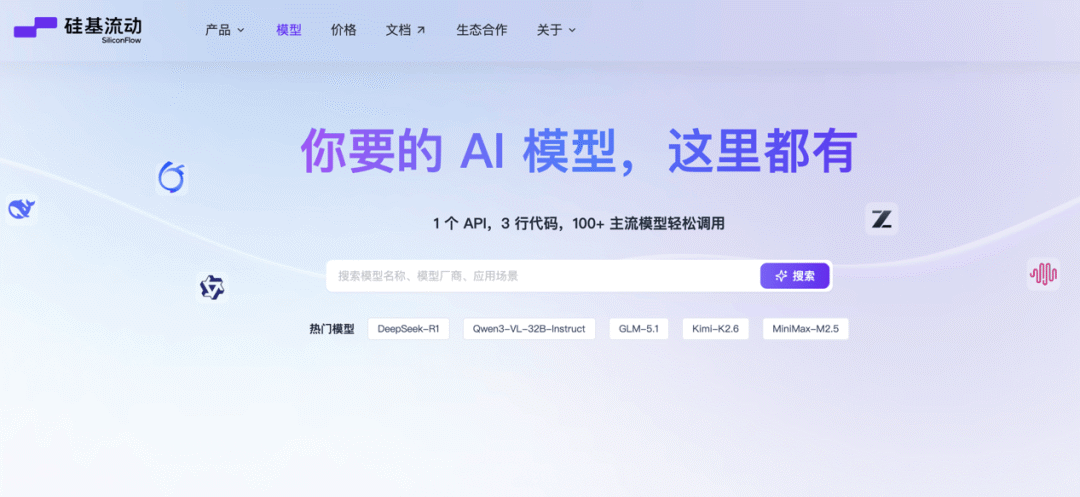
💡Understand the competitive dynamics of Chinese AI infrastructure startups in a crowded market.
⚡ 30-Second TL;DR
What Changed
SiliconFlow faces significant competition from established tech giants
Why It Matters
Understanding the competitive landscape of AI infrastructure providers is crucial for founders evaluating vendor lock-in risks.
What To Do Next
Evaluate SiliconFlow's API pricing and model performance against major cloud providers to assess their long-term viability.
Key Points
- •SiliconFlow faces significant competition from established tech giants
- •Market perception of the company's IPO path is currently inaccurate
- •Strategic survival in the LLM infrastructure space is the primary focus
🧠 Deep Insight
AI-generated analysis for this event — not the original article.
🔑 Enhanced Key Takeaways
- •SiliconFlow has positioned itself as a specialized 'Model-as-a-Service' (MaaS) provider, focusing on high-performance inference optimization rather than just training foundation models.
- •The company has secured significant backing from prominent Chinese venture capital firms, including Source Code Capital and Hillhouse Capital, to sustain its infrastructure-heavy business model.
- •SiliconFlow's core technical differentiator is its proprietary inference engine, which claims to significantly reduce latency and cost for deploying open-weights models like Qwen and Llama.
- •The company has actively pursued an open-ecosystem strategy, integrating its API services with major domestic developer platforms to capture the mid-to-long-tail enterprise market.
- •Recent market analysis suggests SiliconFlow is pivoting toward 'AI-native infrastructure' services, aiming to become the 'AWS of the LLM era' by abstracting the complexity of model deployment.
📊 Competitor Analysis▸ Show
| Feature | SiliconFlow | DeepSeek | Moonshot AI |
|---|---|---|---|
| Primary Focus | Inference Optimization/MaaS | Foundation Model R&D | Consumer/Enterprise Apps |
| Pricing Model | Token-based (Aggressive) | Token-based (Low-cost) | Subscription/API |
| Key Advantage | High-throughput Engine | Proprietary Model Performance | Ecosystem Integration |
🛠️ Technical Deep Dive
- Utilizes a custom-built inference engine optimized for heterogeneous hardware acceleration.
- Implements advanced quantization techniques (e.g., INT8/FP8) to maximize throughput on consumer and enterprise-grade GPUs.
- Supports seamless switching between various open-weights models via a unified API interface.
- Employs dynamic batching and memory management strategies to minimize cold-start latency for LLM inference.
🔮 Future ImplicationsAI analysis grounded in cited sources
⏳ Timeline
Weekly AI Recap
Read this week's curated digest of top AI events →
👉Related Updates



AI-curated news aggregator. All content rights belong to original publishers.
Original source: 钛媒体 ↗
This is a summary, not the original. Read the source, or get the weekly briefing.
Weekly AI briefing
One email a week. Unsubscribe anytime.