Should we be polite to voice assistants and AIs?
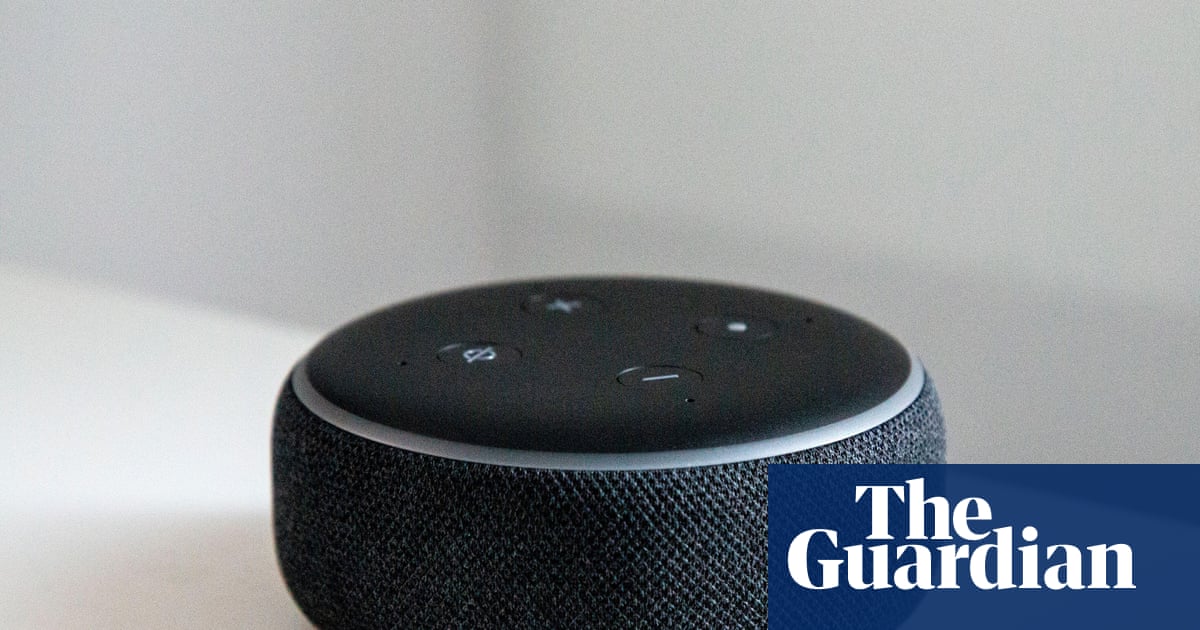
💡User etiquette debate offers UX insights for voice AI builders.
⚡ 30-Second TL;DR
What Changed
Alison Williams from Toronto always uses 'please' and 'thank you' with her Alexa.
Why It Matters
This sparks debate on human-AI interaction norms, potentially influencing how developers design empathetic AI responses. It highlights users' natural anthropomorphism towards AI, relevant for UX in voice applications.
What To Do Next
Test polite vs. impolite prompts on your voice AI model to evaluate differences in output quality and user perception.
Key Points
- •Alison Williams from Toronto always uses 'please' and 'thank you' with her Alexa.
- •Questions if politeness is worthwhile for uncaring artificial assistants.
- •Invites reader submissions via comments or email for publication next Sunday.
- •Part of The Guardian's reader-driven Q&A series on diverse concepts.
🧠 Deep Insight
AI-generated analysis for this event — not the original article.
🔑 Enhanced Key Takeaways
- •Psychological research suggests that habitual politeness toward AI can reinforce social norms in children, potentially impacting their interactions with humans if they fail to distinguish between artificial and biological entities.
- •Major tech companies have intentionally programmed voice assistants to respond positively to polite phrasing to encourage user engagement and create a more 'natural' conversational flow, effectively gamifying politeness.
- •Ethicists argue that the 'politeness' debate is less about the AI's feelings and more about the user's own character, suggesting that treating non-sentient objects with respect maintains a user's own habit of civility.
🔮 Future ImplicationsAI analysis grounded in cited sources
⏳ Timeline
Weekly AI Recap
Read this week's curated digest of top AI events →
👉Related Updates

AI-curated news aggregator. All content rights belong to original publishers.
Original source: The Guardian Technology ↗
This is a summary, not the original. Read the source, or get the weekly briefing.
The weekly digest
One email a week. Unsubscribe anytime.