Shanghai Listed Companies: ESG Value Revaluation
💡Learn how ESG ratings are shifting capital allocation in the Chinese tech and financial sectors.
⚡ 30-Second TL;DR
What Changed
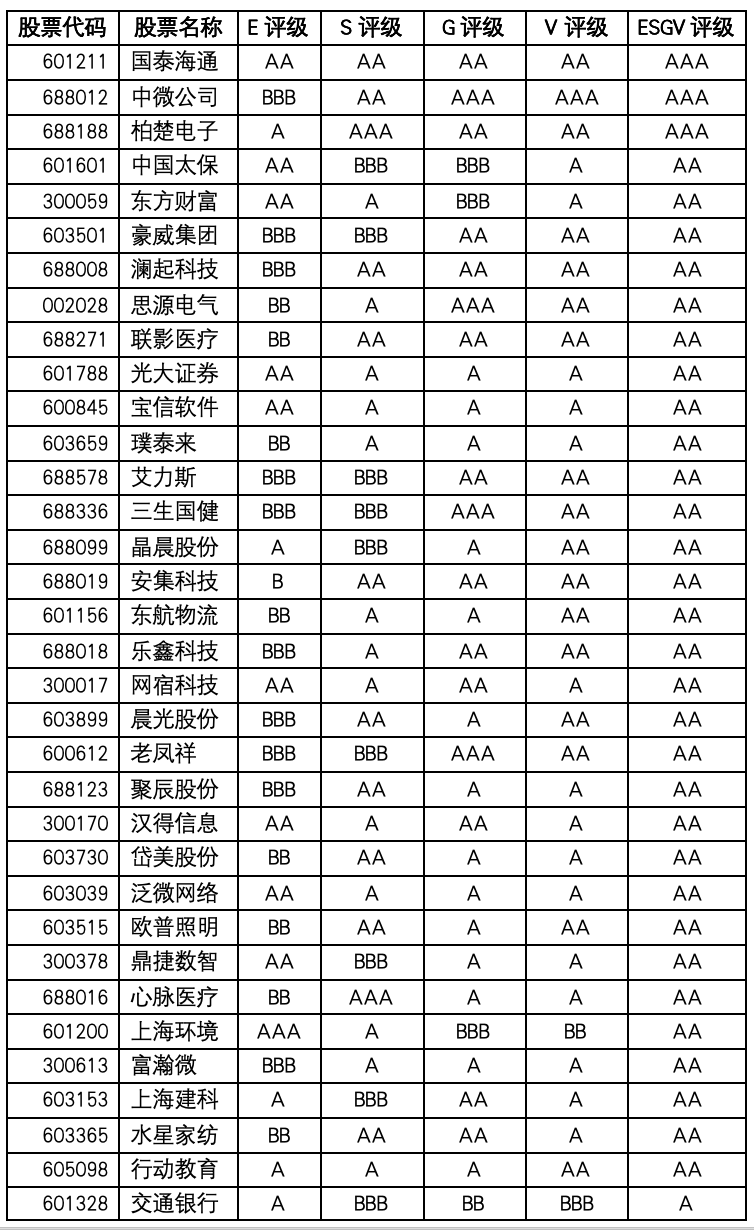
Financial and tech sectors show high ESG rating density.
Why It Matters
Companies in high-rated sectors may benefit from better capital access, while lower-rated sectors face pressure to improve ESG compliance.
What To Do Next
If you are a founder in the tech sector, leverage your high ESG rating to attract institutional investment.
Key Points
- •Financial and tech sectors show high ESG rating density.
- •Traditional manufacturing and real estate are seeing rating downgrades.
- •Advanced manufacturing and urban services show clear differentiation.
🧠 Deep Insight
AI-generated analysis for this event — not the original article.
🔑 Enhanced Key Takeaways
- •The Shanghai Stock Exchange (SSE) has increasingly integrated mandatory ESG disclosure requirements for companies listed on the STAR Market and main board, driving the observed revaluation.
- •Institutional investors in the Chinese market are shifting toward 'ESG-integrated' alpha strategies, which prioritize companies with high ESG-V scores to mitigate long-term regulatory and climate-related risks.
- •The divergence in ratings is largely attributed to the 'Dual Carbon' goals (peaking carbon emissions by 2030 and achieving neutrality by 2060), which penalize high-emission manufacturing firms while rewarding green-tech innovation.
- •Data transparency remains a primary hurdle, as many Shanghai-listed firms are transitioning from voluntary reporting to standardized frameworks aligned with the ISSB (International Sustainability Standards Board) guidelines.
- •Local government incentives in Shanghai are increasingly tied to corporate ESG performance, creating a direct correlation between high ESG-V ratings and access to preferential financing or tax subsidies.
🔮 Future ImplicationsAI analysis grounded in cited sources
⏳ Timeline
Weekly AI Recap
Read this week's curated digest of top AI events →
👉Related Updates



AI-curated news aggregator. All content rights belong to original publishers.
Original source: 钛媒体 ↗
This is a summary, not the original. Read the source, or get the weekly briefing.
The weekly digest
One email a week. Unsubscribe anytime.