8-hour energy storage is key to industry breakthroughs
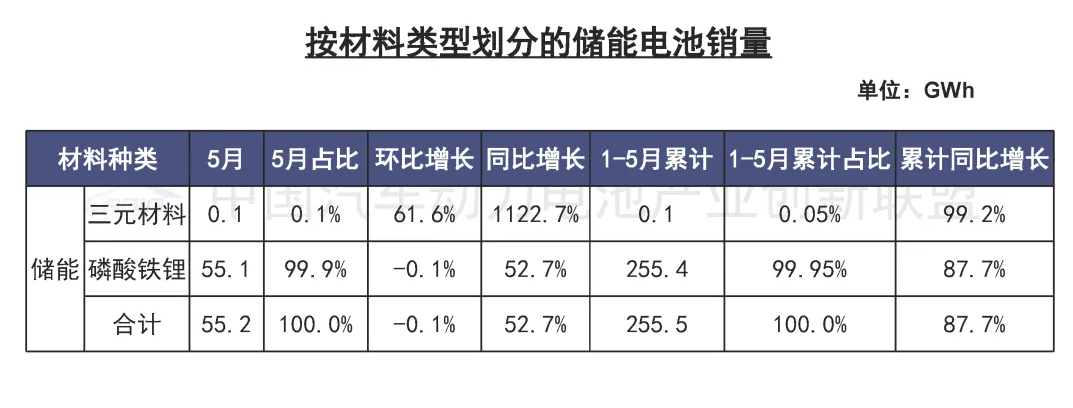
💡Learn why 8-hour storage is the critical technical threshold for the energy sector.
⚡ 30-Second TL;DR
What Changed
8-hour duration is the new benchmark for energy storage
Why It Matters
Advancements in long-duration storage are essential for grid stability. This impacts infrastructure planning and energy management software development.
What To Do Next
If building energy management AI, integrate long-duration storage optimization models into your forecasting tools.
Key Points
- •8-hour duration is the new benchmark for energy storage
- •Cross-industry entrants face varying success rates
- •Technical efficiency determines market viability
🧠 Deep Insight
AI-generated analysis for this event — not the original article.
🔑 Enhanced Key Takeaways
- •Long-duration energy storage (LDES) systems are increasingly prioritized by grid operators to mitigate the 'duck curve' effect caused by high solar penetration during peak daylight hours.
- •Lithium-ion battery costs are reaching a threshold where 8-hour configurations are becoming economically competitive with traditional pumped hydro storage for the first time.
- •Thermal and flow battery technologies are gaining market share over lithium-ion for 8-hour applications due to their superior cycle life and lower degradation rates in deep-discharge scenarios.
- •Government policy frameworks in major markets, including the US and China, have shifted subsidies toward duration-based incentives rather than just capacity-based incentives.
- •Supply chain diversification for non-lithium storage materials is becoming a strategic imperative for companies aiming to scale 8-hour storage solutions to avoid raw material price volatility.
📊 Competitor Analysis▸ Show
| Feature | Lithium-Ion (BESS) | Vanadium Redox Flow | Compressed Air (CAES) |
|---|---|---|---|
| Optimal Duration | 2-4 Hours | 6-12+ Hours | 8-24+ Hours |
| Cycle Life | 3,000-6,000 | 15,000+ | 10,000+ |
| Cost Profile | Declining (High Scale) | Moderate (High CAPEX) | Low (Long-term) |
| Technical Maturity | High | Medium | Medium-Low |
🛠️ Technical Deep Dive
- 8-hour storage systems require advanced Battery Management Systems (BMS) capable of managing State of Charge (SoC) across extended discharge cycles to prevent thermal runaway.
- Flow batteries utilize liquid electrolytes stored in external tanks, allowing for the decoupling of power (stack size) and energy (tank size), which is essential for cost-effective 8-hour scaling.
- Thermal energy storage (TES) systems often employ molten salt or crushed rock media to store heat, achieving round-trip efficiencies of 60-80% for long-duration discharge.
- Grid-forming inverters are being integrated into 8-hour storage assets to provide essential ancillary services like synthetic inertia and frequency regulation.
🔮 Future ImplicationsAI analysis grounded in cited sources
⏳ Timeline
Weekly AI Recap
Read this week's curated digest of top AI events →
👉Related Updates



AI-curated news aggregator. All content rights belong to original publishers.
Original source: 钛媒体 ↗
This is a summary, not the original. Read the source, or get the weekly briefing.
The weekly digest
One email a week. Unsubscribe anytime.