Science Corp. Raises $230M for Blindness Implant
💡$230M fuels brain implant for blindness—huge for AI in neurotech BCI
⚡ 30-Second TL;DR
What Changed
Science Corp. secures $230M in funding
Why It Matters
Signals strong investor confidence in neurotech BCI for medical applications. May spur AI-driven neural decoding innovations in vision restoration.
What To Do Next
Visit Science Corp. site to track BCI tech releases for ML research opportunities.
Key Points
- •Science Corp. secures $230M in funding
- •Investment targets commercialization of blindness implant
- •Additional funds for advanced brain devices development
🧠 Deep Insight
Background and context from public sources — not the original article. 6 sources cited.
🔑 Enhanced Key Takeaways
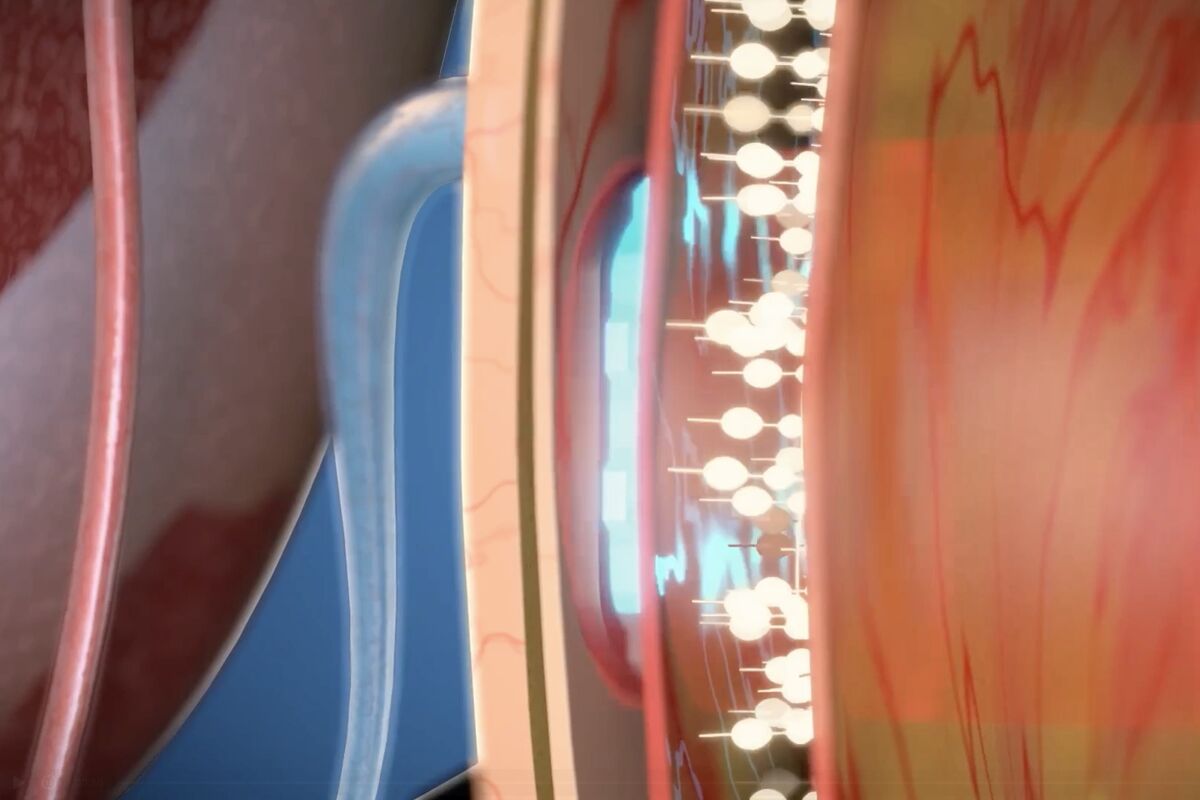
- •PRIMA implant, a 2mm x 2mm x 30µm subretinal photovoltaic chip paired with special glasses using near-infrared light, restored functional central vision in over 80% of patients with geographic atrophy from AMD in clinical trials published in NEJM.[1][2][6]
- •Science Corp., founded by Max Hodak, launched a patient registry for AMD, retinitis pigmentosa, and Stargardt disease patients to prioritize access to PRIMA and future implants, with clinical partnerships at 18 locations.[4]
- •Company submitted regulatory applications for PRIMA commercial approval in the US and Europe in June 2025, following UPMC's first US implant in 2020.[2][4]
🛠️ Technical Deep Dive
- •PRIMA consists of a wireless subretinal implant (2mm × 2mm × 30µm) that functions as an array of artificial photovoltaic pixels, converting projected near-infrared light from glasses-mounted camera into electrical pulses to stimulate remaining bipolar cells in the retina.[1][2][6]
- •Special glasses include an embedded camera, infrared projector for power and data transmission, zoom-in magnification, and adjustable contrast settings; provides black-and-white vision at low resolution currently.[1][2][3]
- •Implant safely placed under atrophic macula; serious adverse events mostly resolved within 2 months post-implantation, with no significant decline in peripheral vision.[1]
🔮 Future ImplicationsAI analysis grounded in cited sources
⏳ Timeline
📎 Sources (6)
Factual claims are grounded in the sources below. Forward-looking analysis is AI-generated interpretation.
- businesswire.com — Science Corp.s Prima Bci Implant Restores Functional Central Vision to Patients with Geographic Atrophy Caused by Age Related Macular Degeneration a Leading Cause of Blindness the New England Journal of Medicine Reports
- sciencedaily.com — 260302030640
- fiercebiotech.com — Science Corps Retinal Implant Restores Some Vision Patients Macular Degeneration
- science.xyz — Science Patient Registry Announcement
- bioworld.com — 725154 Science Corps Prima Implant Enables Blind Patients to Read
- science.xyz — New England Journal of Medicine Prima Editorial
Weekly AI Recap
Read this week's curated digest of top AI events →
👉Related Updates

AI-curated news aggregator. All content rights belong to original publishers.
Original source: Bloomberg Technology ↗
This is a summary, not the original. Read the source, or get the weekly briefing.
Weekly AI briefing
One email a week. Unsubscribe anytime.