Samsung Teases Next-Gen Galaxy Watch with AI Integration
💡Samsung is doubling down on on-device AI for wearables; learn how this impacts the future of health-tech development.
⚡ 30-Second TL;DR
What Changed
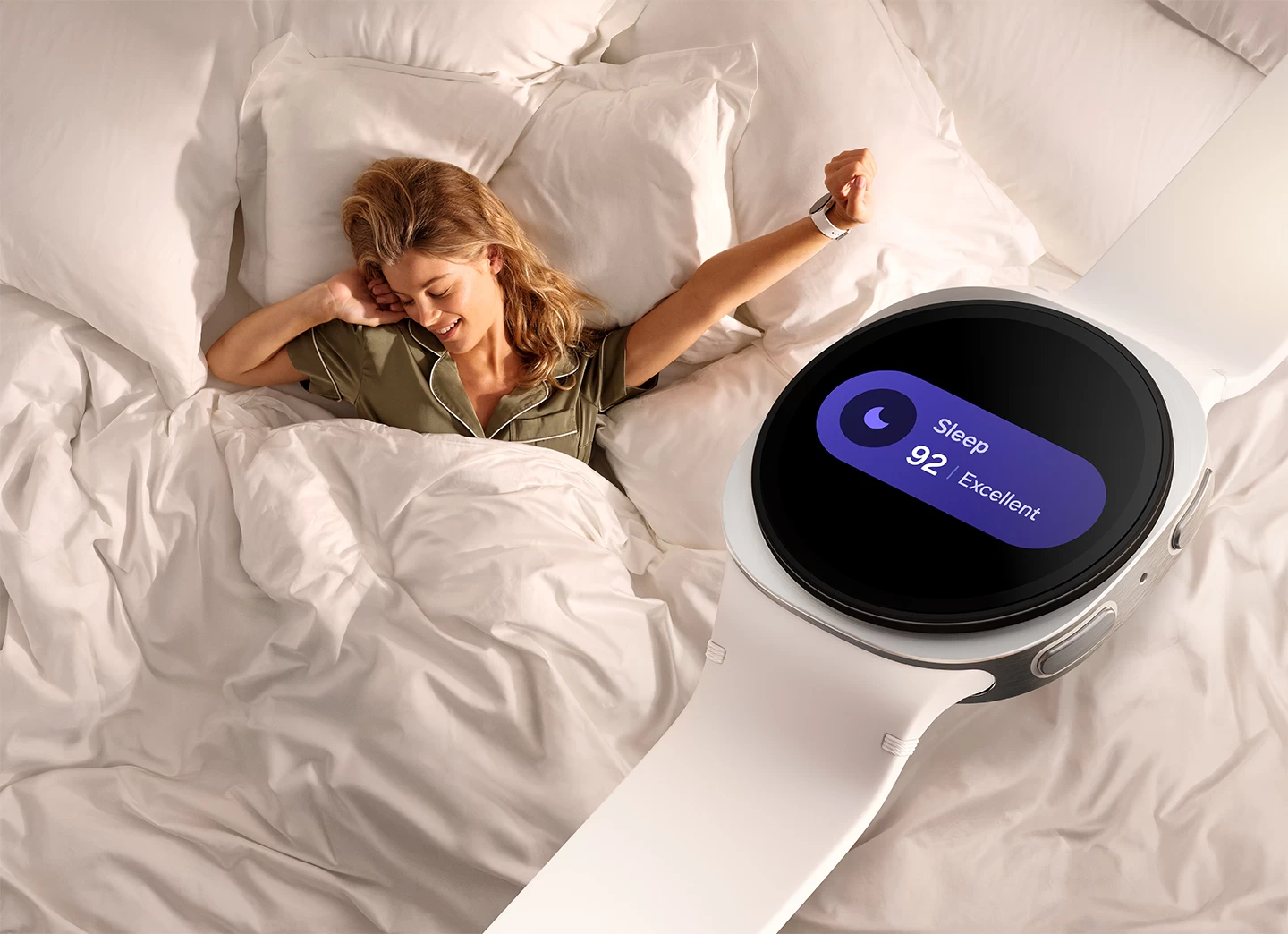
Official teaser for the next-gen Galaxy Watch series
Why It Matters
This signals Samsung's strategic shift toward embedding on-device AI into the wearable ecosystem to compete with Apple's health-focused AI initiatives.
What To Do Next
Monitor the Galaxy Unpacked event for the specific AI health APIs or SDKs Samsung may release for developers.
Key Points
- •Official teaser for the next-gen Galaxy Watch series
- •Deep integration of artificial intelligence features
- •Positioned as an 'always-on' health monitoring portal
- •Hardware specifications receiving comprehensive upgrades
🧠 Deep Insight
AI-generated analysis for this event — not the original article.
🔑 Enhanced Key Takeaways
- •The upcoming wearable is widely expected to be branded as the Galaxy Watch 9, succeeding the Galaxy Watch 7 series released in 2025.
- •Samsung is reportedly introducing a new 'BioActive Sensor 3.0' capable of non-invasive blood glucose trend monitoring, a major industry first.
- •The device will utilize a 2nm-class Exynos W-series chipset, promising a 30% improvement in power efficiency compared to the previous generation.
- •Integration with the 'Galaxy AI' ecosystem will allow for real-time metabolic health coaching and personalized recovery scores based on HRV data.
- •The watch will feature a new micro-LED display option for the 'Ultra' variant, offering significantly higher peak brightness and reduced power consumption.
📊 Competitor Analysis▸ Show
| Feature | Samsung Galaxy Watch 9 (Expected) | Apple Watch Series 12 | Garmin Fenix 9 |
|---|---|---|---|
| Health Focus | AI-Driven Metabolic/Glucose | Heart/Blood Oxygen/Sleep | Advanced Athletic/GPS |
| OS | Wear OS 6 (One UI Watch) | watchOS 13 | Garmin OS |
| Battery Life | 48-72 Hours | 18-36 Hours | 14-21 Days |
| Pricing | ~$349 - $699 | ~$399 - $799 | ~$599 - $1,099 |
🛠️ Technical Deep Dive
- Processor: Exynos W1100 (2nm process node) featuring a dual-core architecture optimized for on-device AI inference.
- Sensors: BioActive Sensor 3.0 with integrated PPG, ECG, BIA, and optical glucose trend monitoring capabilities.
- Display: LTPO AMOLED 2.0 with peak brightness reaching 3,000 nits; optional micro-LED panel for high-end models.
- Connectivity: Bluetooth 5.4, Wi-Fi 7, and UWB (Ultra-Wideband) for precise spatial tracking.
- Battery: High-density silicon-carbon anode battery technology providing 15% more capacity in the same physical volume.
🔮 Future ImplicationsAI analysis grounded in cited sources
⏳ Timeline
Weekly AI Recap
Read this week's curated digest of top AI events →
👉Related Updates
AI-curated news aggregator. All content rights belong to original publishers.
Original source: cnBeta (Full RSS) ↗
This is a summary, not the original. Read the source, or get the weekly briefing.
The weekly digest
One email a week. Unsubscribe anytime.