🇨🇳cnBeta (Full RSS)•Freshcollected in 7h
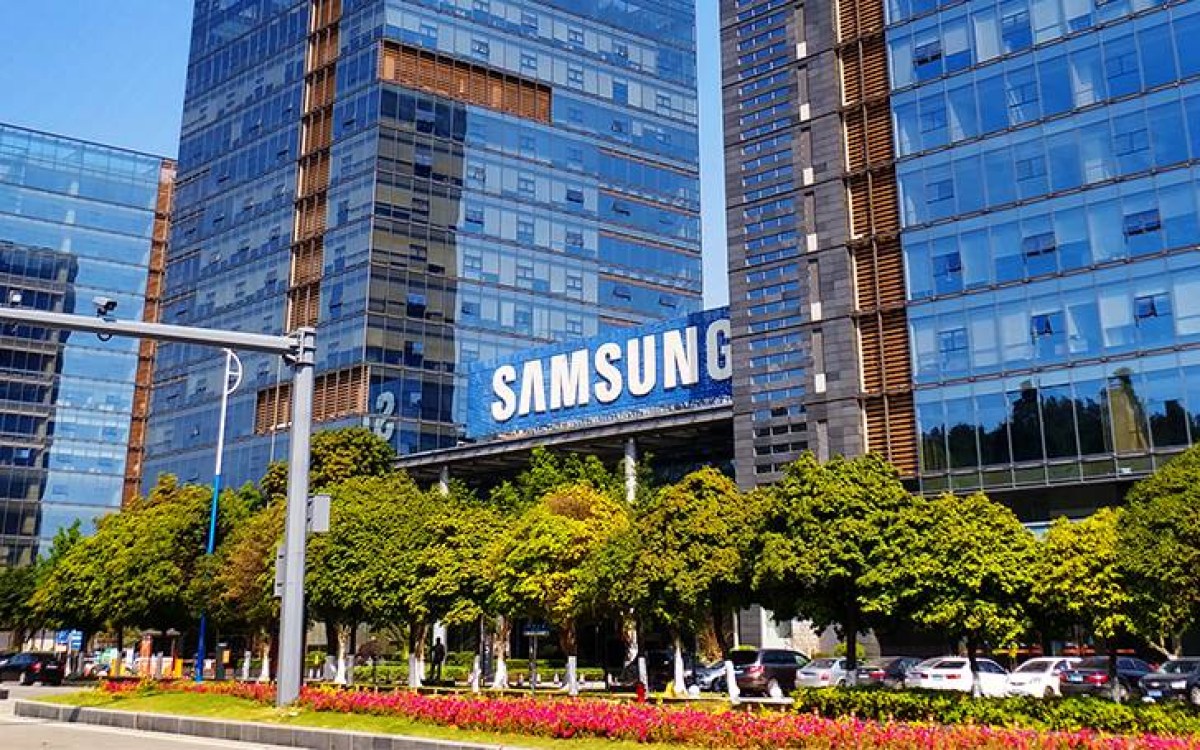
Samsung Mobile Faces Potential First-Ever Quarterly Loss
💡Learn how market headwinds are impacting the hardware-AI integration strategy of a major mobile player.
⚡ 30-Second TL;DR
What Changed
Samsung mobile division faces historic quarterly loss
Why It Matters
A decline in Samsung's mobile profitability may force a shift in their AI hardware strategy, potentially impacting the adoption rates of their proprietary AI features in the Galaxy ecosystem.
What To Do Next
Monitor Samsung's developer portal for changes in their AI API availability as they adjust their mobile hardware strategy.
Who should care:Enterprise & Security Teams
Key Points
- •Samsung mobile division faces historic quarterly loss
- •Semiconductor division remains a profit driver
- •Intense market competition impacting mobile margins
🧠 Deep Insight
AI-generated analysis for this event.
🔑 Enhanced Key Takeaways
- •Samsung's mobile division, MX (Mobile eXperience), is grappling with a significant decline in mid-range smartphone shipments, which historically provided high-volume profit margins.
- •The integration of 'Galaxy AI' has led to higher R&D and cloud-processing costs that have not yet been offset by increased hardware premium pricing.
- •Supply chain reports indicate that Samsung has been forced to increase marketing spend to combat aggressive pricing strategies from Chinese OEMs in emerging markets.
- •The shift toward on-device AI processing has necessitated more expensive memory components (LPDDR5X/6), further compressing the bill-of-materials (BOM) margins for the Galaxy S and A series.
- •Internal restructuring rumors suggest Samsung is considering a consolidation of its mobile software and hardware divisions to streamline costs following this potential financial shortfall.
📊 Competitor Analysis▸ Show
| Feature | Samsung (Galaxy S26 Series) | Apple (iPhone 18 Series) | Xiaomi (16 Ultra) |
|---|---|---|---|
| AI Strategy | Hybrid (On-device/Cloud) | Private Cloud Compute | Local-first Edge AI |
| Pricing | Premium ($799+) | Premium ($899+) | Aggressive ($650+) |
| Market Focus | Global Ecosystem | Premium/Loyalty | Emerging/Value-Flagship |
🛠️ Technical Deep Dive
- Transition to 3nm GAA (Gate-All-Around) process nodes for mobile APs has faced yield challenges, impacting cost-efficiency.
- Implementation of new NPU architectures specifically designed to handle transformer-based AI models locally.
- Increased reliance on high-bandwidth memory (HBM) integration within mobile chipsets to support real-time generative AI tasks.
- Shift toward proprietary neural processing units (NPUs) to reduce dependency on third-party silicon providers.
🔮 Future ImplicationsAI analysis grounded in cited sources
Samsung will pivot to a 'Software-as-a-Service' (SaaS) model for advanced AI features.
The high cost of cloud-based AI processing will force Samsung to introduce subscription tiers to recover mobile division margins.
Samsung will reduce the number of mid-range device SKUs in 2027.
Simplifying the product portfolio is a standard corporate response to combat margin erosion and operational inefficiency.
⏳ Timeline
2024-01
Samsung launches Galaxy S24, marking the company's first major push into 'Galaxy AI'.
2025-02
Samsung reports record-high R&D spending for the previous fiscal year, driven by AI development.
2026-04
Samsung announces a strategic shift to prioritize high-margin premium devices over volume-based mid-range sales.
📰
Weekly AI Recap
Read this week's curated digest of top AI events →
👉Related Updates
AI-curated news aggregator. All content rights belong to original publishers.
Original source: cnBeta (Full RSS) ↗