Samsung Galaxy Glasses XR Headset Leaked in Video
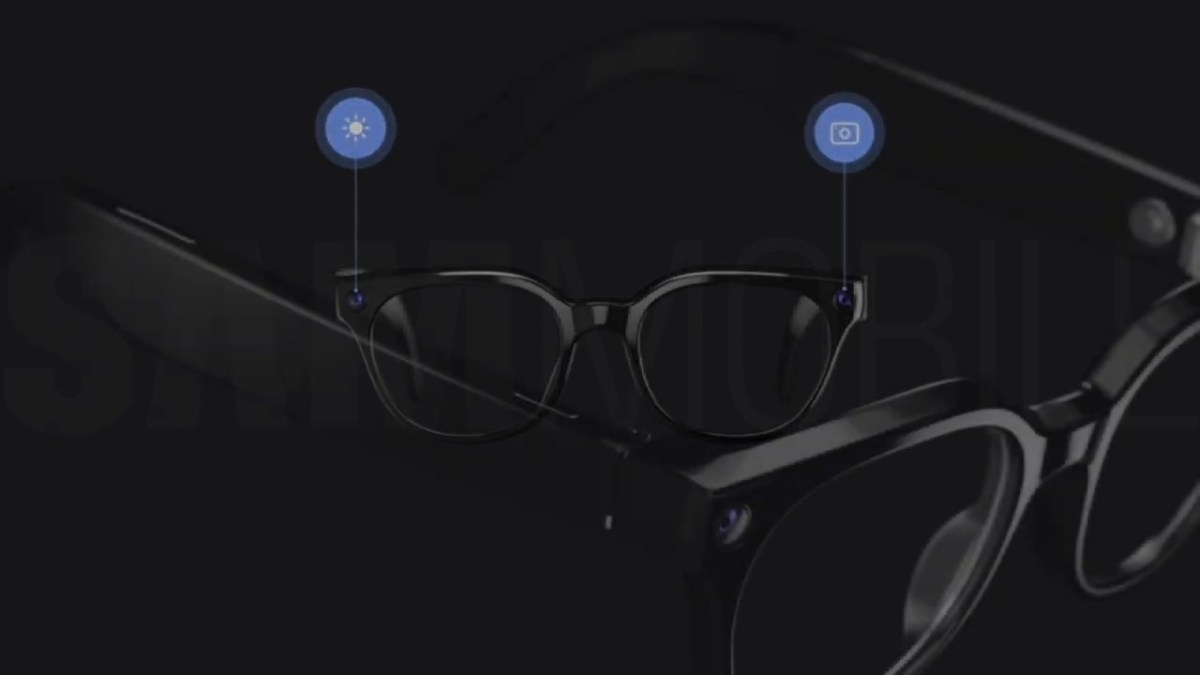
Samsung's entry into XR hardware signals a major shift in the platform landscape for spatial AI applications.
30-Second TL;DR
What Changed
Samsung is developing its first Android-based XR smart glasses.
Why It Matters
Samsung's entry into the XR space could accelerate the adoption of spatial computing and multimodal AI interfaces in consumer wearables.
What To Do Next
Monitor Samsung's developer portal for upcoming XR SDK releases to prepare for spatial AI application development.
Key Points
- •Samsung is developing its first Android-based XR smart glasses.
- •A 27-second video leak reveals the design aesthetics of the device.
- •The product is positioned as a competitor in the wearable XR market.
Deep Insight
AI-generated analysis for this event — not the original article.
Enhanced Key Takeaways
- •The device is widely expected to be powered by a custom Qualcomm Snapdragon XR chipset optimized for lightweight, glasses-style form factors.
- •Samsung is collaborating closely with Google to integrate a specialized version of Android tailored for spatial computing and augmented reality interfaces.
- •Industry reports suggest the glasses will utilize micro-OLED display technology to achieve high pixel density while maintaining a slim, wearable profile.
- •The project is internally referred to as part of Samsung's 'Infinite' initiative, aimed at creating a seamless ecosystem between Galaxy smartphones and XR wearables.
- •Unlike bulky headsets, these glasses are designed to rely on tethered or wireless processing offloading to a paired smartphone to reduce weight and heat on the user's face.
Competitor Analysis
- Samsung XR Glasses
- Lightweight Glasses
- Meta Orion
- AR Glasses
- Apple Vision Pro
- Ski-goggle Headset
- Samsung XR Glasses
- Android (XR)
- Meta Orion
- Meta Horizon OS
- Apple Vision Pro
- visionOS
- Samsung XR Glasses
- Smartphone-tethered
- Meta Orion
- On-device/Wireless
- Apple Vision Pro
- On-device
- Samsung XR Glasses
- Consumer/Mainstream
- Meta Orion
- Developer/Early Adopter
- Apple Vision Pro
- Enterprise/Prosumer
| Feature | Samsung XR Glasses | Meta Orion | Apple Vision Pro |
|---|---|---|---|
| Form Factor | Lightweight Glasses | AR Glasses | Ski-goggle Headset |
| Primary OS | Android (XR) | Meta Horizon OS | visionOS |
| Processing | Smartphone-tethered | On-device/Wireless | On-device |
| Target Market | Consumer/Mainstream | Developer/Early Adopter | Enterprise/Prosumer |
Technical Deep Dive
- Display: Micro-OLED panels with high-transparency waveguides for AR overlay.
- Connectivity: Wi-Fi 7 and Ultra-Wideband (UWB) for low-latency data transfer with host devices.
- Sensors: Multi-camera array for 6DoF (six degrees of freedom) tracking and hand gesture recognition.
- Battery: Integrated slim-cell battery supplemented by external power management via USB-C or wireless charging case.
- Audio: Integrated spatial audio speakers located in the temples.
Future ImplicationsAI analysis grounded in cited sources
Timeline
- 2023-02Samsung announces a strategic partnership with Google and Qualcomm to develop an XR platform.
- 2024-01Samsung files multiple patents related to lightweight AR glasses and optical waveguide technology.
- 2025-06Reports emerge confirming Samsung has shifted focus from a full VR headset to AR-focused smart glasses.
- 2026-03Samsung showcases early prototype hardware to select partners at MWC 2026.
Weekly AI Recap
Read this week's curated digest of top AI events →
Related Updates

AI-curated news aggregator. All content rights belong to original publishers.
Original source: cnBeta (Full RSS) ↗
This is a summary, not the original. Read the source, or get the weekly briefing.
The weekly digest
One email a week. Unsubscribe anytime.