Samsung Eyes China Overhaul
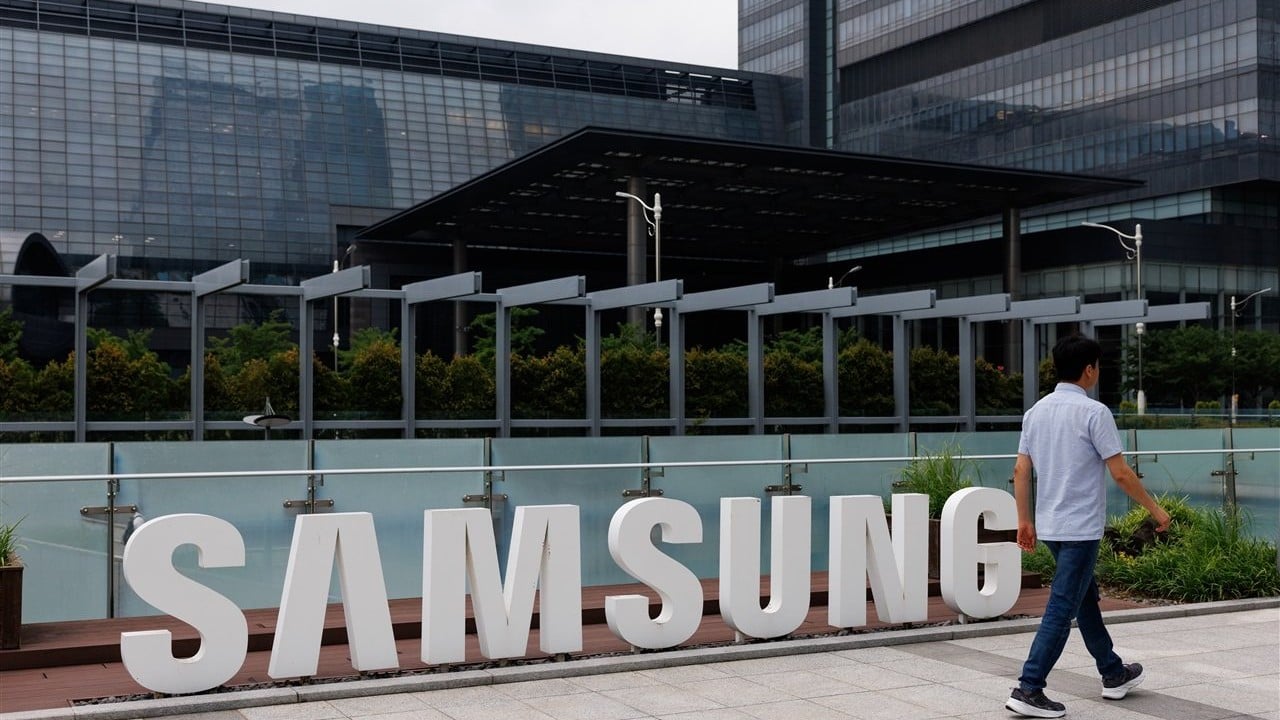
💡Samsung semi shift secures AI memory supply amid China risks
⚡ 30-Second TL;DR
What Changed
Strategic dilemma over defending China footprint
Why It Matters
Samsung's pivot to semis could stabilize AI memory supplies like HBM, vital for GPUs. Reduced China reliance may mitigate geopolitical risks but raise short-term costs for AI hardware makers.
What To Do Next
Track Samsung's HBM production updates for AI accelerator supply planning.
Key Points
- •Strategic dilemma over defending China footprint
- •Potential exit from home appliances and displays
- •Retain smartphones and storage as core
- •Double down on semiconductors globally
🧠 Deep Insight
AI-generated analysis for this event — not the original article.
🔑 Enhanced Key Takeaways
- •Samsung's market share in China's smartphone sector has plummeted to below 1% in recent years, forcing a pivot toward high-end foldable devices and premium branding to differentiate from aggressive local competitors like Xiaomi and Huawei.
- •The potential exit from display manufacturing in China is driven by the rapid rise of domestic firms like BOE Technology, which have eroded Samsung Display's price advantage in the LCD and OLED markets.
- •Samsung is shifting its China strategy to focus on 'B2B' solutions, specifically targeting the automotive semiconductor and high-performance memory sectors, aligning with China's domestic push for electric vehicle and AI infrastructure development.
📊 Competitor Analysis▸ Show
| Feature | Samsung (China Strategy) | Xiaomi | Huawei | BOE Technology |
|---|---|---|---|---|
| Primary Focus | Premium/B2B/Semiconductors | Mass Market/IoT | High-end/Network/AI | Display Panels |
| China Market Position | Niche/Premium | Market Leader | Rapidly Recovering | Dominant Supplier |
| Key Competitive Edge | Vertical Integration | Ecosystem/Pricing | R&D/Brand Loyalty | Scale/Cost Efficiency |
🔮 Future ImplicationsAI analysis grounded in cited sources
⏳ Timeline
Weekly AI Recap
Read this week's curated digest of top AI events →
👉Related Updates
AI-curated news aggregator. All content rights belong to original publishers.
Original source: SCMP Technology ↗
This is a summary, not the original. Read the source, or get the weekly briefing.
The weekly digest
One email a week. Unsubscribe anytime.