💰钛媒体•Stalecollected in 59m
Samsung Dominates AI Memory Boom
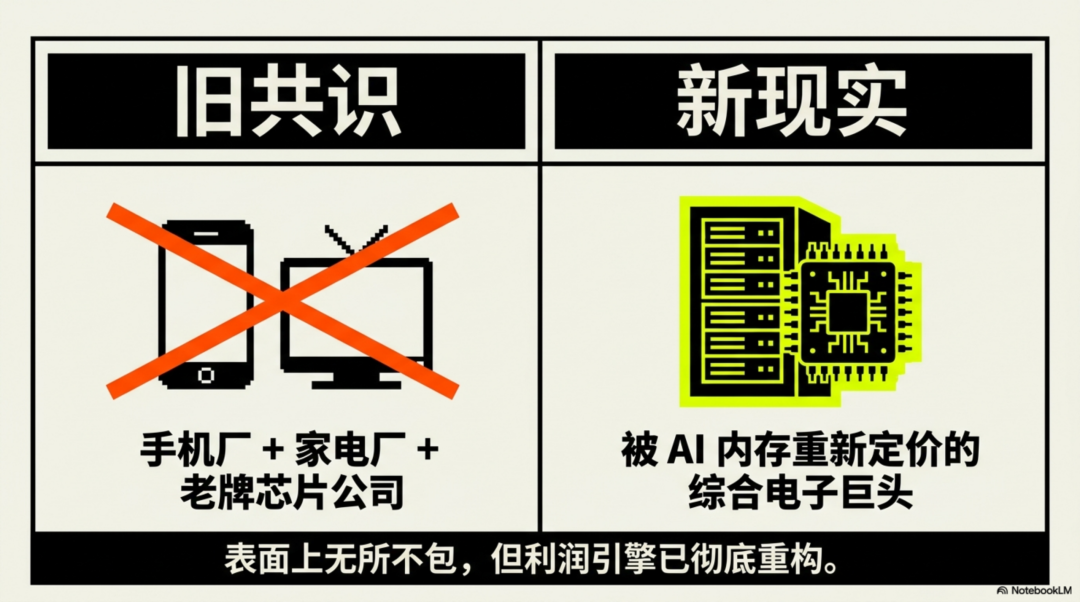
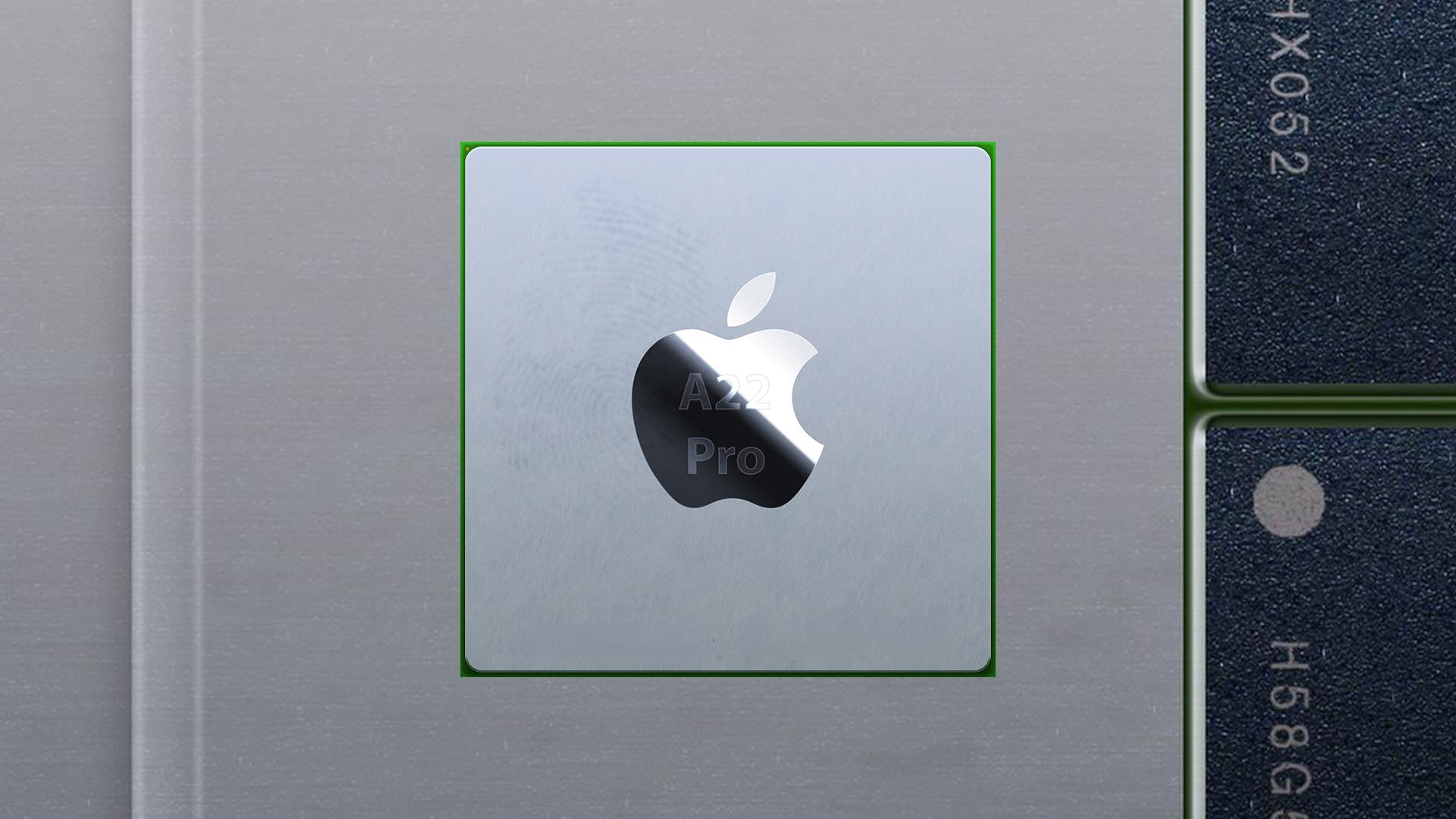
💡Samsung leads HBM/DRAM/SSD vital for AI training – check supply impact.
⚡ 30-Second TL;DR
What Changed
AI relies heavily on HBM for high-bandwidth needs
Why It Matters
Samsung's memory dominance could stabilize AI infra supply but raise costs amid demand. Impacts hardware procurement for large-scale AI deployments.
What To Do Next
Benchmark Samsung HBM3E vs competitors for next AI cluster build.
Who should care:Developers & AI Engineers
Key Points
- •AI relies heavily on HBM for high-bandwidth needs
- •High-perf DRAM and enterprise SSDs critical for training/inference
- •Samsung ranks as top global memory manufacturer
🧠 Deep Insight
AI-generated analysis for this event.
🔑 Enhanced Key Takeaways
- •Samsung has aggressively pivoted its production capacity toward HBM3E and HBM4, aiming to resolve previous yield issues that allowed SK Hynix to capture early market share in the AI accelerator supply chain.
- •The company is integrating 'CXL' (Compute Express Link) technology with its high-performance DRAM modules to address memory wall bottlenecks in large-scale AI server clusters.
- •Samsung is expanding its 'turnkey' AI solution strategy, leveraging its internal foundry business to offer integrated HBM-plus-logic packaging services to compete with TSMC's CoWoS dominance.
📊 Competitor Analysis▸ Show
| Feature | Samsung | SK Hynix | Micron |
|---|---|---|---|
| HBM Market Position | Aggressive capacity expansion | Current market leader | Focused on HBM3E/4 efficiency |
| Foundry Integration | In-house (Samsung Foundry) | Partnership-based | N/A (Memory focused) |
| CXL Adoption | Early adopter/standard setter | Active developer | Developing CXL-enabled DRAM |
🛠️ Technical Deep Dive
- •HBM3E Architecture: Utilizes 12-layer and 16-layer TSV (Through-Silicon Via) stacking to achieve bandwidths exceeding 1.2 TB/s per stack.
- •CXL 3.0 Implementation: Enables memory pooling and expansion, allowing AI training nodes to dynamically allocate DRAM resources across multiple CPU/GPU sockets.
- •Advanced Packaging: Transitioning to 'I-Cube' (2.5D) and 'X-Cube' (3D) packaging technologies to reduce thermal resistance and improve signal integrity for high-speed data transfer between HBM and processors.
🔮 Future ImplicationsAI analysis grounded in cited sources
Samsung will achieve parity in HBM3E supply volume with SK Hynix by Q4 2026.
Recent capital expenditure shifts toward high-margin HBM production lines are expected to reach full operational capacity by late 2026.
CXL-based memory expansion will become a standard requirement for enterprise AI server procurement by 2027.
The increasing parameter size of LLMs necessitates memory architectures that exceed the physical capacity limits of traditional DIMM slots.
⏳ Timeline
2023-09
Samsung announces development of its first 12-stack HBM3 product.
2024-02
Samsung unveils industry-first 36GB HBM3E 12-layer DRAM.
2025-05
Samsung begins mass production of next-generation CXL 2.0 memory modules.
2026-01
Samsung announces successful validation of HBM4 samples for next-gen AI accelerators.
📰
Weekly AI Recap
Read this week's curated digest of top AI events →
👉Related Updates


AI-curated news aggregator. All content rights belong to original publishers.
Original source: 钛媒体 ↗