Samsung Debuts DeepPix ISOCELL HPC Sensor
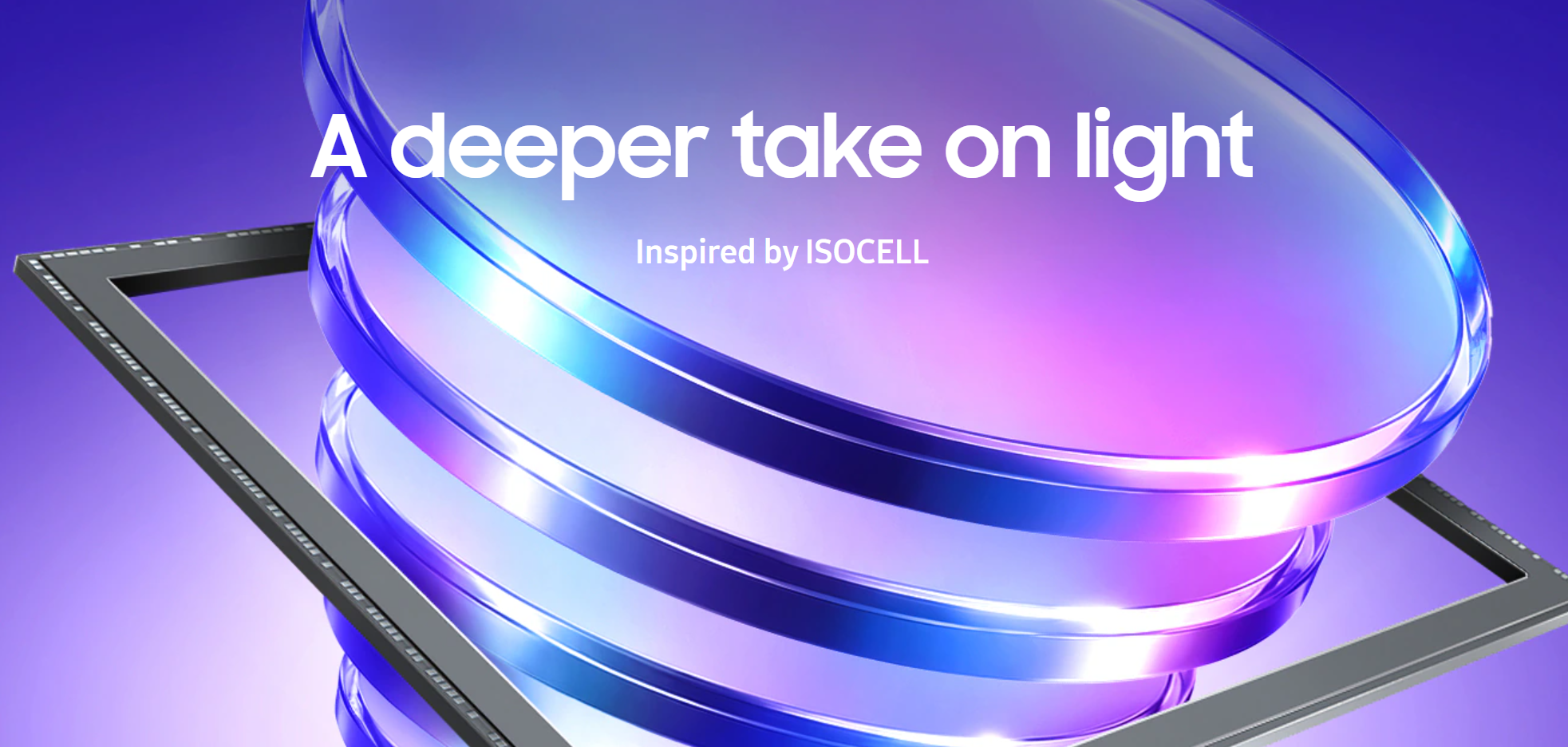
Samsung's new DeepPix sensor could improve the raw data available to mobile computer-vision systems.
30-Second TL;DR
What Changed
ISOCELL HPC is Samsung's new flagship mobile image sensor.
Why It Matters
Higher-quality RAW capture could benefit computational photography, computer-vision datasets, and on-device vision applications. However, real-world AI gains will depend on camera integration, image-processing pipelines, and availability in commercial devices.
What To Do Next
For a computer-vision prototype, verify whether your image pipeline preserves 16-bit RAW input before evaluating DeepPix-based camera data.
Key Points
- •ISOCELL HPC is Samsung's new flagship mobile image sensor.
- •It is the first Samsung sensor announced with DeepPix technology.
- •The sensor supports 16-bit RAW output for enhanced imaging workflows.
- •Samsung claims improvements in dynamic range and low-light performance.
Deep Insight
AI-generated analysis for this event — not the original article.
Enhanced Key Takeaways
- •DeepPix technology utilizes a novel AI-driven pixel-binning algorithm that dynamically adjusts sub-pixel sensitivity based on scene luminance levels.
- •The ISOCELL HPC sensor integrates an on-chip neural processing unit (NPU) specifically optimized for real-time noise reduction during 16-bit RAW capture.
- •Samsung has transitioned to a new 0.56μm pixel architecture for the HPC, enabling higher resolution density without compromising the signal-to-noise ratio.
- •The sensor features a dual-gain conversion architecture that allows for simultaneous high and low gain readouts to maximize HDR performance in high-contrast environments.
- •Industry reports indicate the ISOCELL HPC is manufactured using Samsung's latest 12nm FinFET process, significantly reducing power consumption during high-frame-rate video recording.
Competitor Analysis
- Samsung ISOCELL HPC
- 0.56μm
- Sony IMX999 (Hypothetical)
- 0.64μm
- OmniVision OV50H
- 1.2μm
- Samsung ISOCELL HPC
- 16-bit
- Sony IMX999 (Hypothetical)
- 14-bit
- OmniVision OV50H
- 12-bit
- Samsung ISOCELL HPC
- On-chip NPU
- Sony IMX999 (Hypothetical)
- External ISP
- OmniVision OV50H
- None
- Samsung ISOCELL HPC
- 12nm FinFET
- Sony IMX999 (Hypothetical)
- 14nm
- OmniVision OV50H
- 22nm
| Feature | Samsung ISOCELL HPC | Sony IMX999 (Hypothetical) | OmniVision OV50H |
|---|---|---|---|
| Pixel Size | 0.56μm | 0.64μm | 1.2μm |
| RAW Output | 16-bit | 14-bit | 12-bit |
| AI Integration | On-chip NPU | External ISP | None |
| Manufacturing | 12nm FinFET | 14nm | 22nm |
Technical Deep Dive
- Pixel Architecture: 0.56μm pixel size utilizing DeepPix AI-driven sub-pixel sensitivity adjustment.
- Data Processing: On-chip NPU for real-time RAW data processing and noise reduction.
- Dynamic Range: Dual-gain conversion architecture enabling high-dynamic-range imaging without ghosting artifacts.
- Manufacturing Process: 12nm FinFET node for improved power efficiency.
- Output Depth: Native 16-bit RAW output support for professional-grade post-processing workflows.
Future ImplicationsAI analysis grounded in cited sources
Timeline
- 2024-06Samsung announces advancements in 0.6μm pixel technology.
- 2025-02Samsung unveils the first prototype of DeepPix AI-enhanced sensor architecture.
- 2026-08Official launch of the ISOCELL HPC sensor.
Weekly AI Recap
Read this week's curated digest of top AI events →
Related Updates


AI-curated news aggregator. All content rights belong to original publishers.
Original source: cnBeta (Full RSS) ↗
This is a summary, not the original. Read the source, or get the weekly briefing.
The weekly digest
One email a week. Unsubscribe anytime.