Samsung Bets on HBM as TVs Fade
💡Samsung HBM profit boom reshapes AI memory supply for data centers.
⚡ 30-Second TL;DR
What Changed
Largest union vote on chip production halt, risking billions
Why It Matters
Samsung's HBM dominance bolsters AI GPU supply chains but exposes consumer AI device vulnerabilities to Chinese rivals. Strategy refocus may accelerate semis innovation for AI workloads.
What To Do Next
Evaluate Samsung HBM specs for upcoming AI training GPU procurements.
Key Points
- •Largest union vote on chip production halt, risking billions
- •First non-pandemic AWE absence signals China TV exit
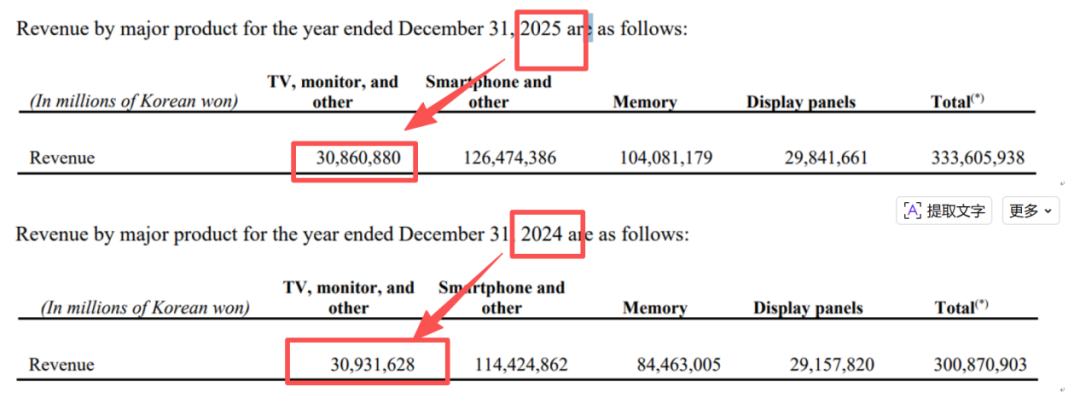
- •HBM drives Q4 semi profits up 465% to 16.4T KRW
- •TV/display revenue flat, China sales <1% market share
- •Acquiring Sony TV ops amid global share erosion
🧠 Deep Insight
Background and context from public sources — not the original article. 4 sources cited.
🔑 Enhanced Key Takeaways
- •Samsung's HBM4 mass production, which began in early 2026, positions it as the first manufacturer of next-generation memory chips critical for Nvidia's AI accelerators, creating a strategic advantage in the AI chip supply chain during a period of intense semiconductor competition between nations.[1]
- •The union's threatened May 2026 strike directly targets Samsung's most profitable period, as HBM4 production must ramp up ahead of Nvidia's second-half Vera Rubin AI accelerator launch, making the timing strategically damaging to both Samsung and global AI infrastructure development.[1]
- •The core wage dispute centers on performance bonus caps: Samsung maintains a 50% annual salary cap while competitor SK Hynix has no cap, with SK Hynix recently paying semiconductor workers average bonuses exceeding 100 million Korean won, creating direct wage disparity pressure.[3]
- •Samsung's vertical integration strategy—where stable cash flow from smartphones and appliances (the DX division) subsidizes semiconductor losses during downturns—is now under strain as the company attempts to balance cross-divisional equity while rewarding high-profit semiconductor workers.[3]
📊 Competitor Analysis▸ Show
| Aspect | Samsung | SK Hynix | TSMC |
|---|---|---|---|
| HBM Production Status | Mass production of HBM4 began early 2026[1] | Competitor in HBM market[3] | Primary competitor in advanced chip manufacturing |
| Performance Bonus Structure | 50% annual salary cap on OPI[3] | No cap on performance bonuses[3] | Not specified in search results |
| Recent Bonus Payments | Capped structure limits payouts | Average >100M KRW for semiconductor workers[3] | Not specified in search results |
| Labor Relations | Union strike planned May 2026[1] | Stable (no recent strike threats mentioned) | Not specified in search results |
🔮 Future ImplicationsAI analysis grounded in cited sources
⏳ Timeline
📎 Sources (4)
Factual claims are grounded in the sources below. Forward-looking analysis is AI-generated interpretation.
Weekly AI Recap
Read this week's curated digest of top AI events →
👉Related Updates

AI-curated news aggregator. All content rights belong to original publishers.
Original source: 虎嗅 ↗
This is a summary, not the original. Read the source, or get the weekly briefing.
Weekly AI briefing
One email a week. Unsubscribe anytime.