Sakana AI Clears Namazu Naming Clash
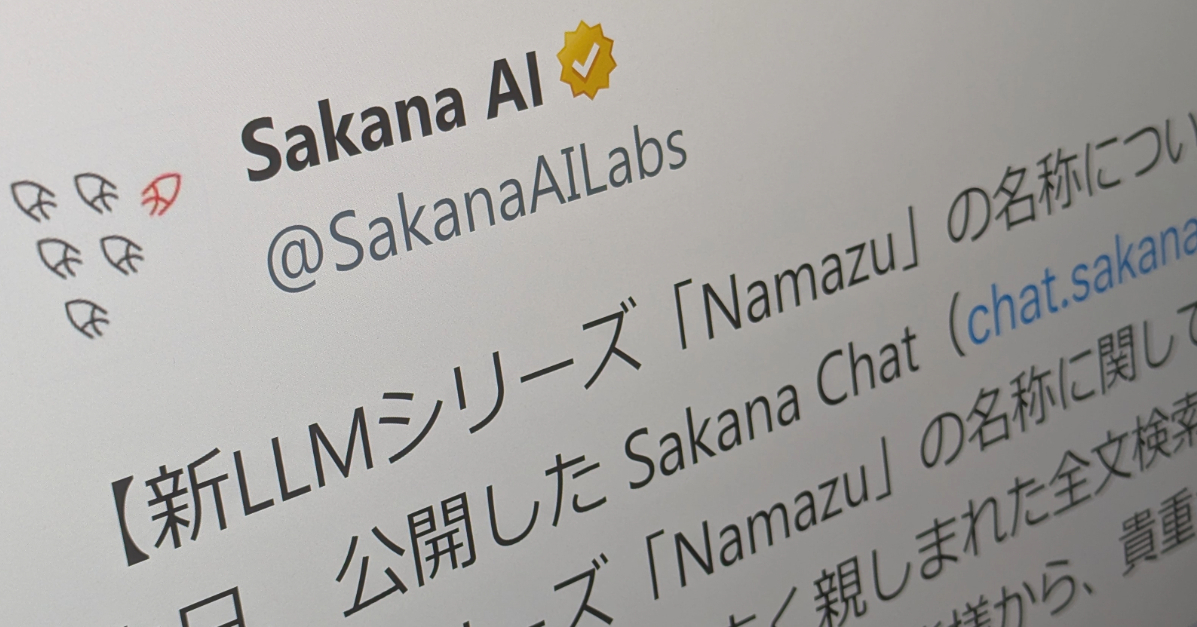
💡Sakana AI's quick name approval lesson for AI founders avoiding IP pitfalls
⚡ 30-Second TL;DR
What Changed
Sakana AI unaware of name conflict with 90s Namazu search system
Why It Matters
Prevents potential legal disputes, enabling Sakana AI to brand and launch Namazu models without hindrance. Strengthens trust in Japanese AI lab's operations.
What To Do Next
Search global trademark databases before finalizing AI model names.
Key Points
- •Sakana AI unaware of name conflict with 90s Namazu search system
- •Contacted original developer Tetsuya Takabayashi for approval
- •Developer quickly granted permission for AI model series use
- •Reported via ITmedia AI+
🧠 Deep Insight
AI-generated analysis for this event — not the original article.
🔑 Enhanced Key Takeaways
- •The original 'Namazu' software, developed by Tetsuya Takabayashi in the late 1990s, was a pioneering open-source full-text search engine widely used in the Japanese Unix/Linux community for indexing documentation and mailing lists.
- •Sakana AI's 'Namazu' model series is specifically designed for Japanese-language tasks, leveraging the company's signature 'evolutionary model merging' technique to combine smaller, specialized models into a more capable system.
- •The resolution of the naming conflict was handled transparently, with Sakana AI publicly acknowledging the legacy of the original software, which helped maintain goodwill within the Japanese open-source developer community.
🛠️ Technical Deep Dive
- •Namazu (Sakana AI) utilizes an evolutionary model merging architecture, which automates the combination of multiple pre-trained models to optimize performance for specific Japanese language benchmarks.
- •The model architecture focuses on high-efficiency, small-to-medium parameter counts to reduce inference costs while maintaining competitive performance against larger, monolithic LLMs.
- •The original Namazu (1990s) was a C-based indexing engine that utilized a proprietary inverted index format, optimized for the limited hardware resources of the era.
🔮 Future ImplicationsAI analysis grounded in cited sources
⏳ Timeline
Weekly AI Recap
Read this week's curated digest of top AI events →
👉Related Updates
AI-curated news aggregator. All content rights belong to original publishers.
Original source: ITmedia AI+ (日本) ↗
This is a summary, not the original. Read the source, or get the weekly briefing.
Weekly AI briefing
One email a week. Unsubscribe anytime.