Safaricom maintains broadband dominance despite Starlink market entry
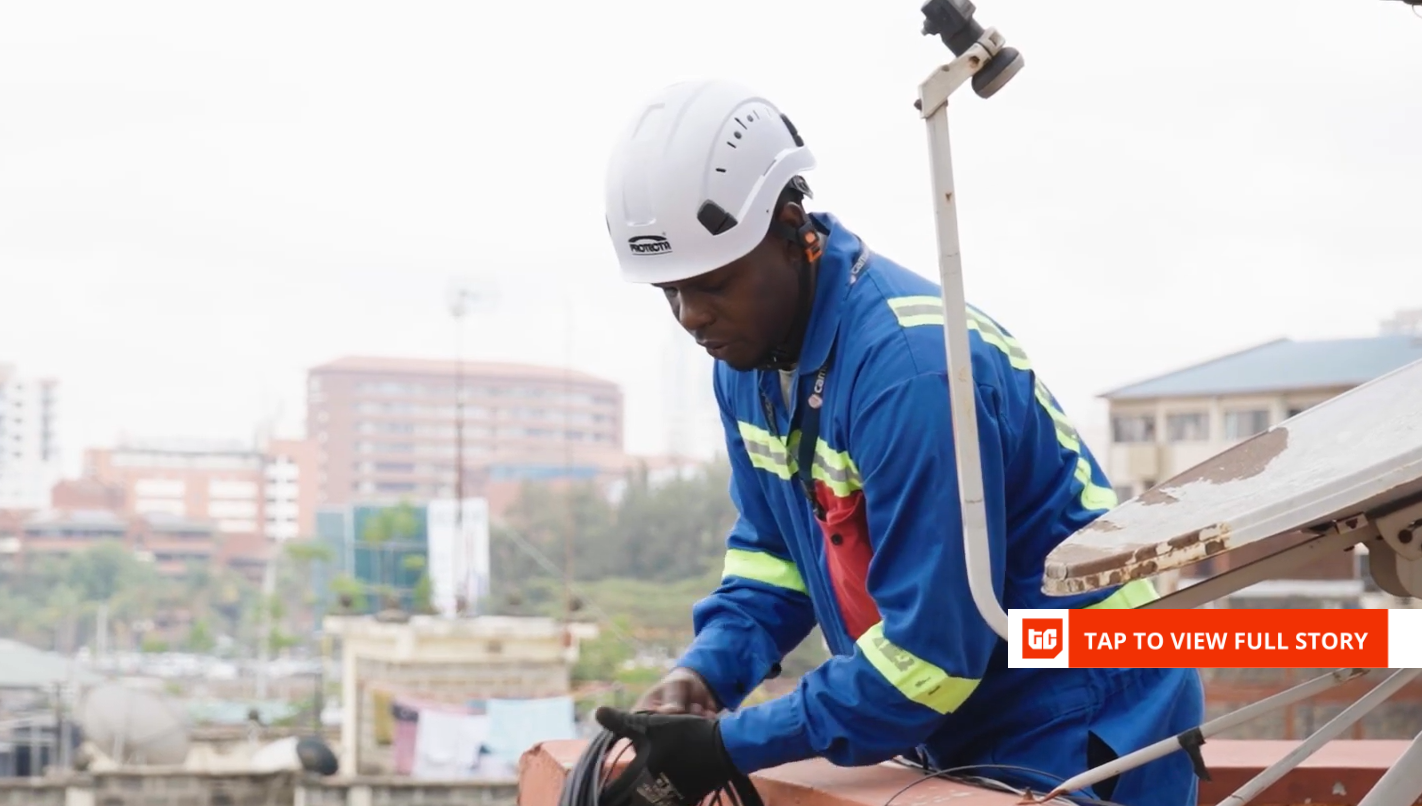
💡Understand why physical infrastructure still beats satellite hype for high-performance connectivity in emerging markets.
⚡ 30-Second TL;DR
What Changed
Safaricom retains a strong lead in the Kenyan broadband sector
Why It Matters
The resilience of traditional ISPs suggests that infrastructure-as-a-service remains a critical barrier to entry for satellite providers in emerging markets. This highlights the importance of physical network density for AI-driven edge applications.
What To Do Next
Analyze local infrastructure latency benchmarks before deploying edge AI models in emerging markets.
Key Points
- •Safaricom retains a strong lead in the Kenyan broadband sector
- •Incumbent operators benefit from years of established fibre infrastructure
- •Starlink's market entry has generated significant media attention but limited displacement
🧠 Deep Insight
AI-generated analysis for this event — not the original article.
🔑 Enhanced Key Takeaways
- •Safaricom has leveraged its M-Pesa ecosystem to bundle broadband services, creating a 'sticky' value proposition that Starlink's standalone satellite offering struggles to match in price-sensitive segments.
- •Regulatory hurdles, including debates over local equity ownership requirements and spectrum licensing, have constrained Starlink's ability to aggressively scale its subscriber base in Kenya compared to terrestrial fiber providers.
- •The 'digital divide' in Kenya remains primarily an affordability issue rather than a coverage issue, favoring Safaricom's tiered pricing models over Starlink's higher upfront hardware costs.
📊 Competitor Analysis▸ Show
| Feature | Safaricom Home Fibre | Starlink Kenya | Jamii Telecommunications (Faiba) |
|---|---|---|---|
| Technology | FTTH (Fiber to the Home) | LEO Satellite | FTTH (Fiber to the Home) |
| Pricing Model | Tiered monthly subscriptions | High upfront hardware + monthly | Tiered monthly subscriptions |
| Latency | Low (<20ms) | Moderate (25-50ms) | Low (<20ms) |
| Primary Market | Urban/Peri-urban centers | Rural/Underserved areas | Urban/Enterprise |
| Installation | Low cost/Subsidized | High equipment cost | Low cost/Subsidized |
🛠️ Technical Deep Dive
- Safaricom utilizes GPON (Gigabit Passive Optical Network) architecture to deliver high-bandwidth fiber connectivity to residential and enterprise customers.
- Starlink operates a constellation of Low Earth Orbit (LEO) satellites communicating with phased-array user terminals that employ electronic beam steering to track satellites without moving parts.
- Safaricom's network integration relies on extensive terrestrial backhaul fiber rings, whereas Starlink utilizes inter-satellite laser links to route data in space, reducing reliance on local ground stations.
🔮 Future ImplicationsAI analysis grounded in cited sources
⏳ Timeline
Weekly AI Recap
Read this week's curated digest of top AI events →
👉Related Updates
AI-curated news aggregator. All content rights belong to original publishers.
Original source: TechCabal ↗
This is a summary, not the original. Read the source, or get the weekly briefing.
Weekly AI briefing
One email a week. Unsubscribe anytime.