RTX 5090 App Guards Against Power Connector Failure
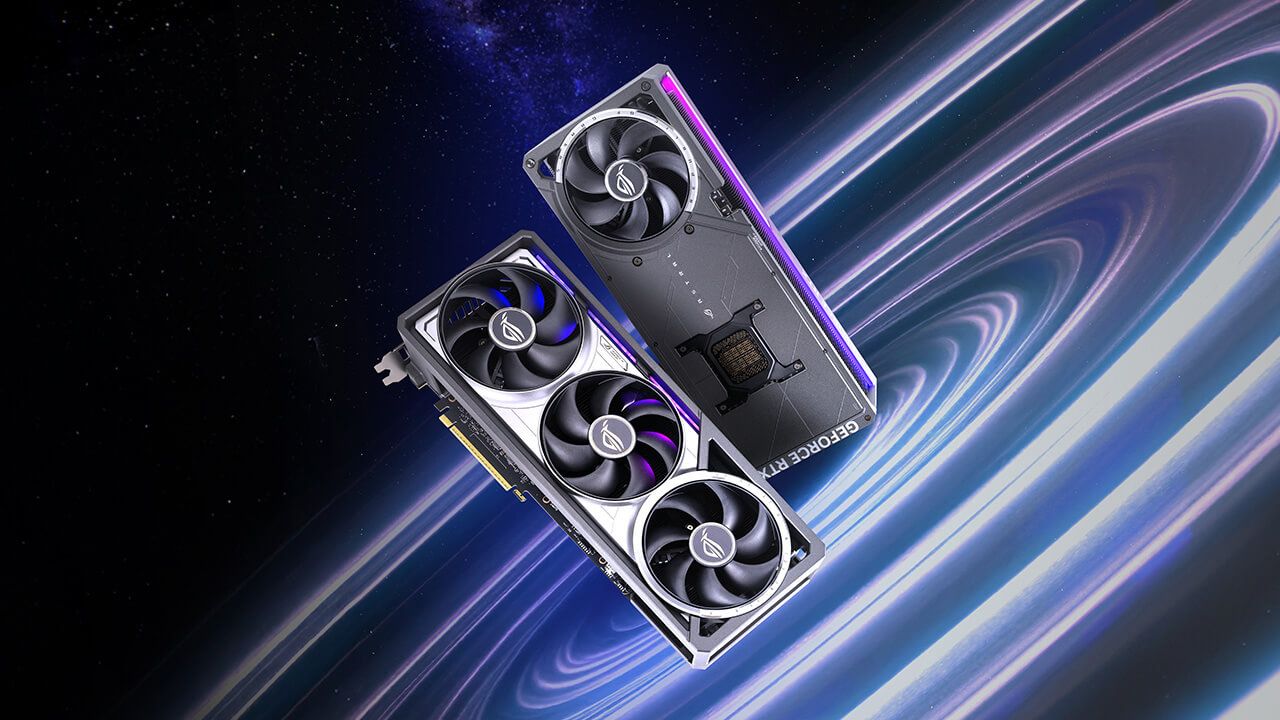
A small utility could automatically kill an AI workstation before RTX 5090 connector damage escalates.
30-Second TL;DR
What Changed
The utility monitors power draw separately for each connector pin.
Why It Matters
The tool may offer an extra layer of protection for expensive GPU workstations, but forced shutdowns can interrupt training jobs and risk data loss. It should be treated as an enthusiast-made mitigation rather than a replacement for proper cabling and power-delivery practices.
What To Do Next
Test the safeguard on a non-production RTX 5090 workstation with checkpointing enabled, and verify that its readings match your motherboard or PSU telemetry before relying on it.
Key Points
- •The utility monitors power draw separately for each connector pin.
- •It can shut down the machine after current exceeds a configured limit.
- •The reported safeguard uses 9.5A for more than 15 seconds as a trigger.
Deep Insight
AI-generated analysis for this event — not the original article.
Enhanced Key Takeaways
- •The utility, dubbed 'PowerGuard 5090,' utilizes the GPU's internal telemetry sensors via the SMBus interface to access real-time per-pin current data.
- •The software was developed in response to early user reports of localized melting on the 12V-2x6 connector pins during sustained high-load rendering tasks.
- •Unlike standard driver-level power limits, this utility operates as a kernel-mode driver to ensure the shutdown command bypasses OS-level latency.
- •The 9.5A threshold was determined through community-sourced thermal imaging data, which identified that sustained current above this level causes pin temperatures to exceed the connector's 105°C rating.
- •The developer has open-sourced the project on GitHub, allowing users to customize the shutdown trigger duration and current limits based on their specific power supply unit (PSU) capabilities.
Technical Deep Dive
- The utility interfaces with the NVIDIA NVAPI to poll the GPU's power management integrated circuit (PMIC).
- It implements a rolling average filter on the current data to prevent false-positive shutdowns caused by transient power spikes (milliseconds in duration).
- The software requires administrative privileges to interact with the hardware abstraction layer (HAL) for immediate system termination.
- It specifically targets the 12V-2x6 connector standard, which is the revised version of the 12VHPWR connector designed to improve pin contact and safety.
Future ImplicationsAI analysis grounded in cited sources
Timeline
- 2025-01NVIDIA officially launches the RTX 50-series architecture featuring the 12V-2x6 connector.
- 2026-05Initial community reports emerge regarding thermal degradation on RTX 5090 power connectors.
- 2026-07Developer releases the first beta version of the power monitoring utility.
- 2026-08Utility gains widespread adoption following independent verification of its safety trigger logic.
Weekly AI Recap
Read this week's curated digest of top AI events →
AI-curated news aggregator. All content rights belong to original publishers.
Original source: Tom's Hardware ↗
This is a summary, not the original. Read the source, or get the weekly briefing.
The weekly digest
One email a week. Unsubscribe anytime.