RTX 50-Series Prices Surge Across US Listings
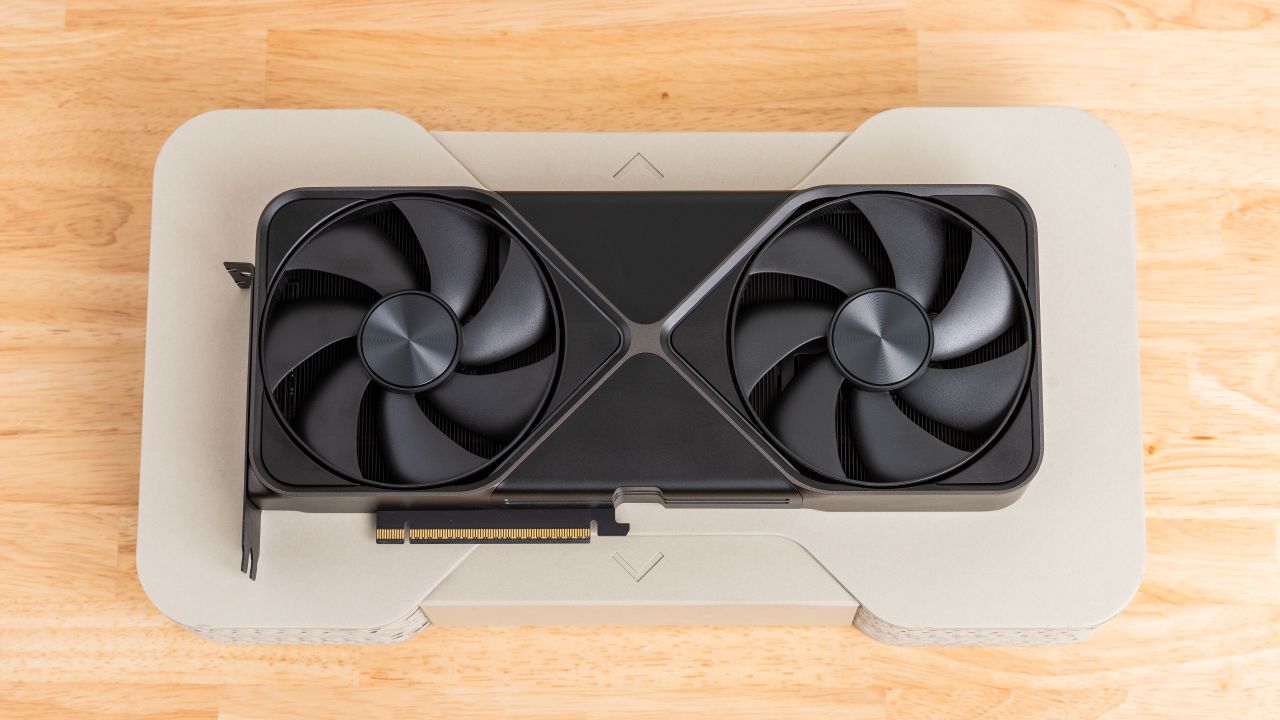
US RTX 50-series price hikes could directly change the cost of local AI training and inference.
30-Second TL;DR
What Changed
Some US Newegg listings for Blackwell GPUs are up as much as 39%.
Why It Matters
Higher GPU prices could raise the cost of local model training, inference servers, and AI workstation deployments. Teams relying on consumer GPUs may need to delay purchases or evaluate alternative hardware and cloud capacity.
What To Do Next
Reprice your next GPU-based inference or training build using current Newegg RTX 5070 and RTX 5060 listings before finalizing the hardware budget.
Key Points
- •Some US Newegg listings for Blackwell GPUs are up as much as 39%.
- •The RTX 5070 recorded a reported 36% price increase.
- •The RTX 5060 rose 27% at the median of surveyed listings.
- •The increases follow similar RTX 50-series price hikes in other regions.
Deep Insight
AI-generated analysis for this event — not the original article.
Enhanced Key Takeaways
- •Supply chain analysts attribute the price surge to a temporary bottleneck in TSMC's 4nm capacity allocation, which has constrained Blackwell GPU production volumes for the third quarter of 2026.
- •Market data indicates that third-party marketplace sellers on Newegg are driving the price inflation, often listing cards significantly above NVIDIA's MSRP to capitalize on low inventory levels.
- •The price volatility coincides with a sudden spike in demand from small-to-medium enterprise (SME) AI inference workloads, which are increasingly utilizing RTX 50-series cards as cost-effective alternatives to enterprise-grade hardware.
- •NVIDIA has reportedly issued internal guidance to board partners to prioritize shipments to major retailers over third-party marketplace vendors to stabilize consumer pricing.
- •Regional price hikes observed earlier in Europe and Asia were driven by localized import tariff adjustments, whereas the US surge is primarily a function of domestic inventory scarcity.
Competitor Analysis
- NVIDIA RTX 5070
- Blackwell
- AMD Radeon RX 8800 XT
- RDNA 4
- Intel Arc B-Series (Battlemage)
- Xe2-HPG
- NVIDIA RTX 5070
- 16GB GDDR7
- AMD Radeon RX 8800 XT
- 16GB GDDR6
- Intel Arc B-Series (Battlemage)
- 12GB GDDR6
- NVIDIA RTX 5070
- High-End Gaming/AI
- AMD Radeon RX 8800 XT
- Mid-to-High Performance
- Intel Arc B-Series (Battlemage)
- Value/Entry-Mid
- NVIDIA RTX 5070
- Increasing (Supply Constrained)
- AMD Radeon RX 8800 XT
- Stable
- Intel Arc B-Series (Battlemage)
- Competitive/Aggressive
| Feature | NVIDIA RTX 5070 | AMD Radeon RX 8800 XT | Intel Arc B-Series (Battlemage) |
|---|---|---|---|
| Architecture | Blackwell | RDNA 4 | Xe2-HPG |
| VRAM | 16GB GDDR7 | 16GB GDDR6 | 12GB GDDR6 |
| Market Positioning | High-End Gaming/AI | Mid-to-High Performance | Value/Entry-Mid |
| Pricing Trend | Increasing (Supply Constrained) | Stable | Competitive/Aggressive |
Technical Deep Dive
- Blackwell architecture utilizes a multi-die chiplet design to improve yield and performance scaling compared to the monolithic Ada Lovelace architecture.
- The RTX 50-series features second-generation Transformer Engine technology, specifically optimized for FP8 and FP4 precision inference tasks.
- GDDR7 memory integration provides a significant bandwidth increase, reaching up to 32Gbps per pin, which is critical for the memory-intensive AI workloads driving current demand.
- Enhanced Ray Tracing cores in the 50-series include new micro-mesh engines that reduce the computational overhead of complex geometry rendering.
Future ImplicationsAI analysis grounded in cited sources
Timeline
- 2025-11NVIDIA officially announces the Blackwell-based RTX 50-series consumer GPU lineup.
- 2026-01Global retail launch of the RTX 5090 and 5080 flagship models.
- 2026-03RTX 5070 and 5060 models released to the mass market.
- 2026-06Initial reports of regional price volatility emerge in European markets due to supply chain adjustments.
- 2026-08US Newegg listings show significant price surges for RTX 50-series cards.
Weekly AI Recap
Read this week's curated digest of top AI events →
AI-curated news aggregator. All content rights belong to original publishers.
Original source: Tom's Hardware ↗
This is a summary, not the original. Read the source, or get the weekly briefing.
The weekly digest
One email a week. Unsubscribe anytime.