RTX 50 Prices Surge 30% in South Korea
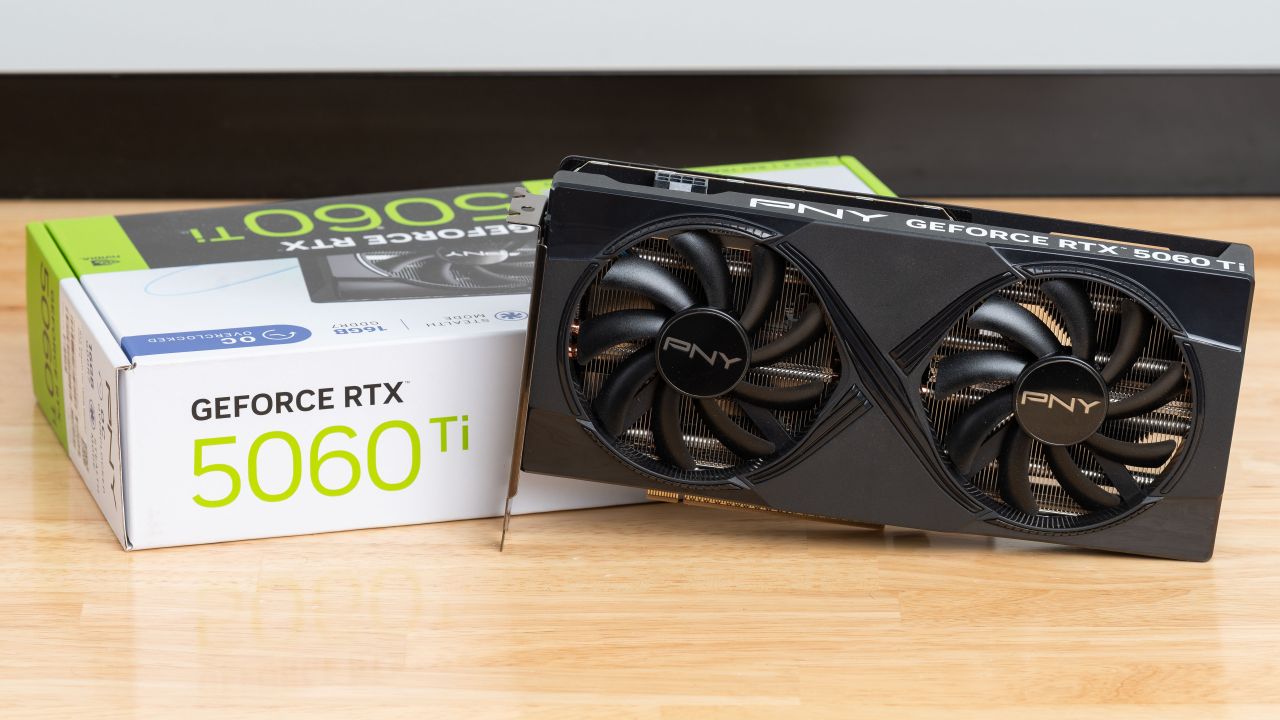
GPU inflation could change whether local AI development beats cloud inference on cost.
30-Second TL;DR
What Changed
The price increase affects the entire Nvidia RTX 50 lineup in South Korea.
Why It Matters
More expensive GPUs could raise the cost of local model development, inference, and small-scale AI clusters. Startups and research teams may need to delay purchases, optimize utilization, or shift workloads to cloud GPUs.
What To Do Next
Recalculate your local-GPU budget using current RTX 5090 pricing and compare it with reserved cloud-GPU inference costs before placing orders.
Key Points
- •The price increase affects the entire Nvidia RTX 50 lineup in South Korea.
- •Premium models are experiencing the largest increases.
- •Higher TSMC wafer costs and GDDR7 module prices are cited as major contributors.
- •The RTX 5090 now exceeds $5,100 in the affected market.
Deep Insight
AI-generated analysis for this event — not the original article.
Enhanced Key Takeaways
- •The price surge is exacerbated by South Korea's specific import tariffs and a weakened Won (KRW) against the US Dollar, which amplifies the impact of base MSRP increases.
- •Local retailers in South Korea are citing supply chain constraints specifically for the Blackwell-based architecture, limiting the availability of AIB (Add-in Board) partner cards.
- •The $5,100 price point for the RTX 5090 includes significant 'early adopter' premiums charged by local distributors due to high demand from AI workstation builders and professional gamers.
- •Nvidia has reportedly shifted more of its TSMC 3nm capacity toward high-margin H100/B200 data center chips, creating a tighter supply environment for consumer-grade RTX 50 series silicon.
- •South Korean consumer protection agencies have begun monitoring the price volatility, noting that the 30% markup significantly exceeds the standard regional price adjustments seen in previous generations.
Competitor Analysis
- Nvidia RTX 5090
- Blackwell
- AMD Radeon RX 8900 XTX
- RDNA 4
- Intel Arc 'Celestial' Flagship
- Xe3
- Nvidia RTX 5090
- 32GB GDDR7
- AMD Radeon RX 8900 XTX
- 24GB GDDR7
- Intel Arc 'Celestial' Flagship
- 16GB GDDR7
- Nvidia RTX 5090
- ~7,000,000+ KRW
- AMD Radeon RX 8900 XTX
- ~4,500,000 KRW
- Intel Arc 'Celestial' Flagship
- ~3,200,000 KRW
- Nvidia RTX 5090
- Enthusiast/AI Pro
- AMD Radeon RX 8900 XTX
- High-End Gaming
- Intel Arc 'Celestial' Flagship
- Mid-to-High Gaming
| Feature | Nvidia RTX 5090 | AMD Radeon RX 8900 XTX | Intel Arc 'Celestial' Flagship |
|---|---|---|---|
| Architecture | Blackwell | RDNA 4 | Xe3 |
| Memory | 32GB GDDR7 | 24GB GDDR7 | 16GB GDDR7 |
| Est. Price (KRW) | ~7,000,000+ KRW | ~4,500,000 KRW | ~3,200,000 KRW |
| Target Segment | Enthusiast/AI Pro | High-End Gaming | Mid-to-High Gaming |
Technical Deep Dive
- Architecture: Built on the Blackwell GPU architecture utilizing TSMC's 4NP process node specifically optimized for Nvidia.
- Memory Interface: Features a 512-bit memory bus paired with GDDR7 modules operating at 32Gbps speeds.
- Power Delivery: Requires a revised 12V-2x6 connector capable of delivering up to 600W to handle transient power spikes.
- AI Integration: Includes 5th Generation Tensor Cores with support for FP4 and FP6 precision formats to accelerate local LLM inference.
Future ImplicationsAI analysis grounded in cited sources
Timeline
- 2025-01Nvidia officially unveils the Blackwell architecture at CES.
- 2025-09Initial mass production of RTX 50 series chips begins at TSMC.
- 2026-02Global launch of the RTX 50 series lineup.
- 2026-06GDDR7 memory module spot prices reach record highs due to supply shortages.
Weekly AI Recap
Read this week's curated digest of top AI events →
AI-curated news aggregator. All content rights belong to original publishers.
Original source: Tom's Hardware ↗
This is a summary, not the original. Read the source, or get the weekly briefing.
The weekly digest
One email a week. Unsubscribe anytime.