Alibaba Sells Lingxi Games to Fund AI Expansion
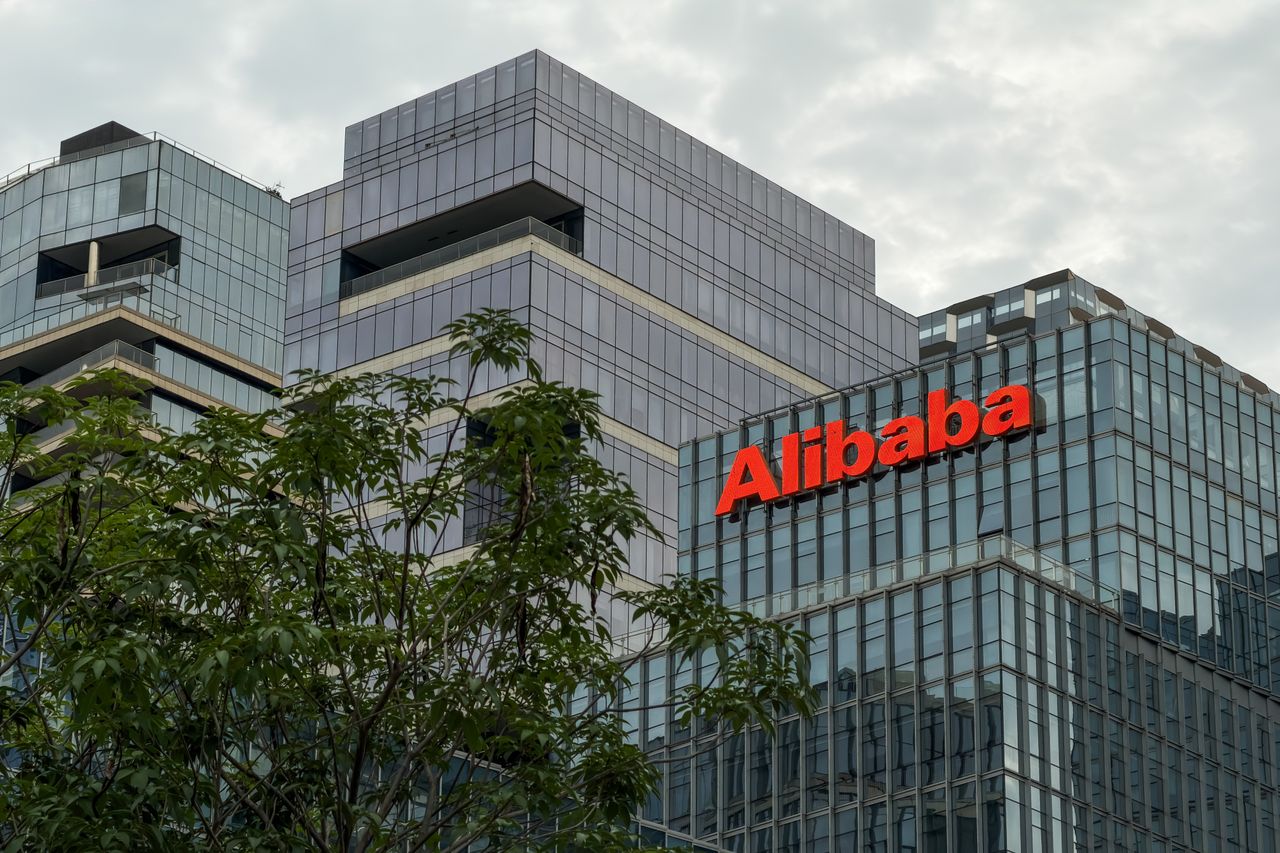
💡Alibaba is converting a major gaming asset into capital for its AI buildout.
⚡ 30-Second TL;DR
What Changed
Alibaba is selling its entire stake in Lingxi Games.
Why It Matters
The divestiture signals that Alibaba is prioritizing AI investment over its gaming portfolio. For AI companies and infrastructure partners, it may indicate stronger resource allocation toward models, cloud services, and related infrastructure, although the article provides no details on specific AI projects.
What To Do Next
Review your Alibaba Cloud and AI vendor roadmap assumptions before committing to long-term infrastructure contracts.
Key Points
- •Alibaba is selling its entire stake in Lingxi Games.
- •Trustar Capital is the reported buyer in the transaction.
- •The deal is valued at a minimum of $1.5 billion.
- •Proceeds are intended to support Alibaba’s AI expansion.
- •Lingxi Games developed Three Kingdoms: Strategy Edition.
🧠 Deep Insight
AI-generated analysis for this event.
🔑 Enhanced Key Takeaways
- •The divestment aligns with Alibaba's '1+6+N' organizational restructuring strategy, which prioritizes core business units while spinning off non-core assets.
- •Lingxi Games was originally formed from the acquisition of Ejoy, a gaming company founded by former NetEase executive Zhan Zhonghui.
- •The sale reflects a broader trend of Chinese tech giants retreating from the gaming sector due to increased regulatory scrutiny and market saturation.
- •Trustar Capital, formerly known as CITIC Capital Partners, has a history of acquiring assets from major Chinese internet companies to restructure them for potential IPOs or private growth.
- •Alibaba's AI expansion is heavily focused on its 'Qwen' large language model series and the integration of AI into its cloud computing infrastructure to compete with global hyperscalers.
📊 Competitor Analysis▸ Show
| Feature | Alibaba (Lingxi) | Tencent Games | NetEase Games | ByteDance (Nuverse) |
|---|---|---|---|---|
| Market Focus | Strategy/Mid-core | Mass Market/Social | RPG/Global IP | Casual/Short-video integration |
| AI Integration | High (Cloud-first) | High (Game Engine AI) | High (AIGC Tools) | Medium (Recommendation AI) |
| Revenue Model | IAP/Subscription | IAP/Microtransactions | IAP/Subscription | Ad-supported/IAP |
🛠️ Technical Deep Dive
- Lingxi Games utilized proprietary server-side architecture to handle massive concurrent player counts in Three Kingdoms: Strategy Edition, specifically focusing on low-latency synchronization for large-scale map battles.
- Alibaba's AI expansion relies on the Qwen-Max and Qwen-Turbo model architectures, which utilize a Mixture-of-Experts (MoE) framework to optimize inference costs.
- The infrastructure transition involves migrating legacy gaming workloads to Alibaba Cloud's PAI (Platform for AI) to leverage specialized GPU clusters for model training.
🔮 Future ImplicationsAI analysis grounded in cited sources
⏳ Timeline
Weekly AI Recap
Read this week's curated digest of top AI events →
👉Related Updates


AI-curated news aggregator. All content rights belong to original publishers.
Original source: Tom's Hardware ↗