RPCS3 Developers Blast DLSS 5 as AI Slop
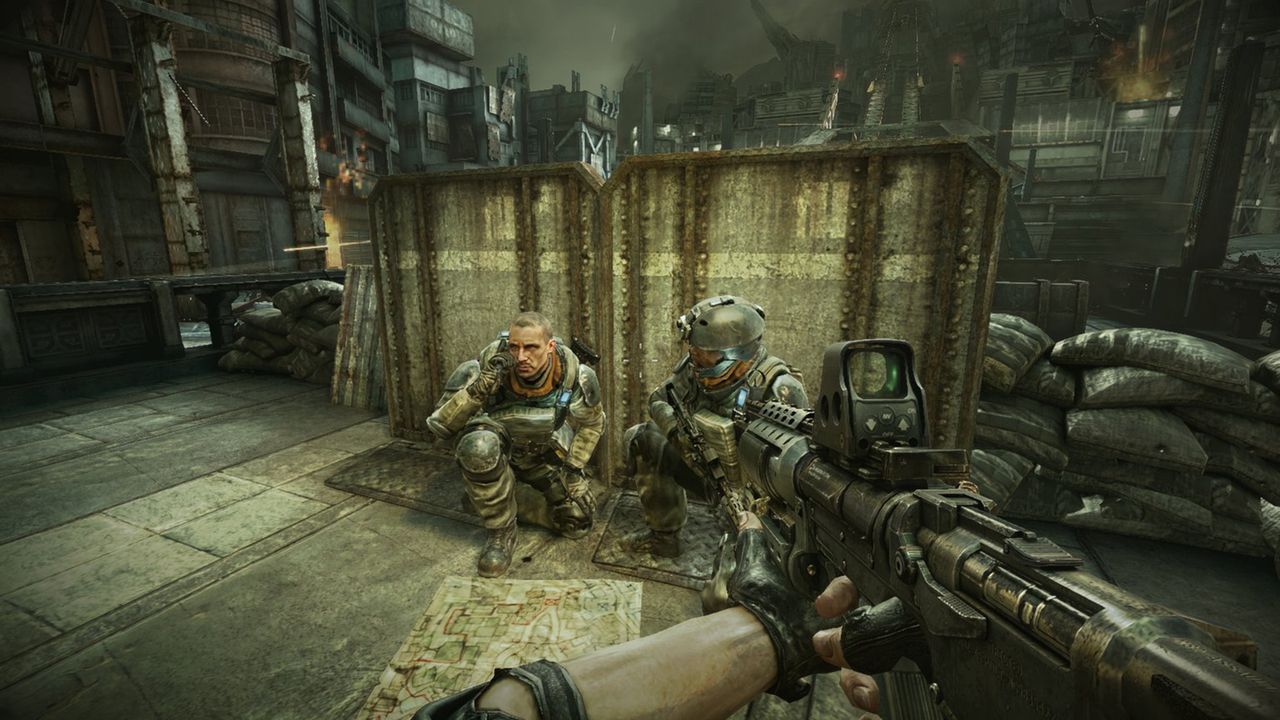
💡RPCS3’s critique exposes why AI upscaling can improve frames while masking deeper rendering and optimization problems.
⚡ 30-Second TL;DR
What Changed
RPCS3 developers describe DLSS 5 as potentially generating artificial visuals rather than fixing underlying rendering problems.
Why It Matters
The criticism highlights the engineering and trust trade-offs of AI-assisted rendering: better perceived frame rates may come with hallucinated or unstable details. Developers building real-time vision or graphics systems should treat generated frames as a quality layer requiring rigorous artifact and temporal-consistency testing.
What To Do Next
If you are integrating AI upscaling, benchmark temporal artifacts and motion-vector failures on emulator-like workloads before shipping frame generation.
Key Points
- •RPCS3 developers describe DLSS 5 as potentially generating artificial visuals rather than fixing underlying rendering problems.
- •They argue that excessive reliance on upscaling and frame generation can conceal poor optimization.
- •Temporal upscalers are difficult to integrate into PS3 emulation because emulator output and motion data differ from modern game engines.
- •Modders are experimenting with a leaked DLSS 5 DLL.
Weekly AI Recap
Read this week's curated digest of top AI events →
👉Related Updates

AI-curated news aggregator. All content rights belong to original publishers.
Original source: Tom's Hardware ↗
This is a summary, not the original. Read the source, or get the weekly briefing.
Weekly AI briefing
One email a week. Unsubscribe anytime.