Rocket Lab acquires Iridium to challenge Starlink and Leo
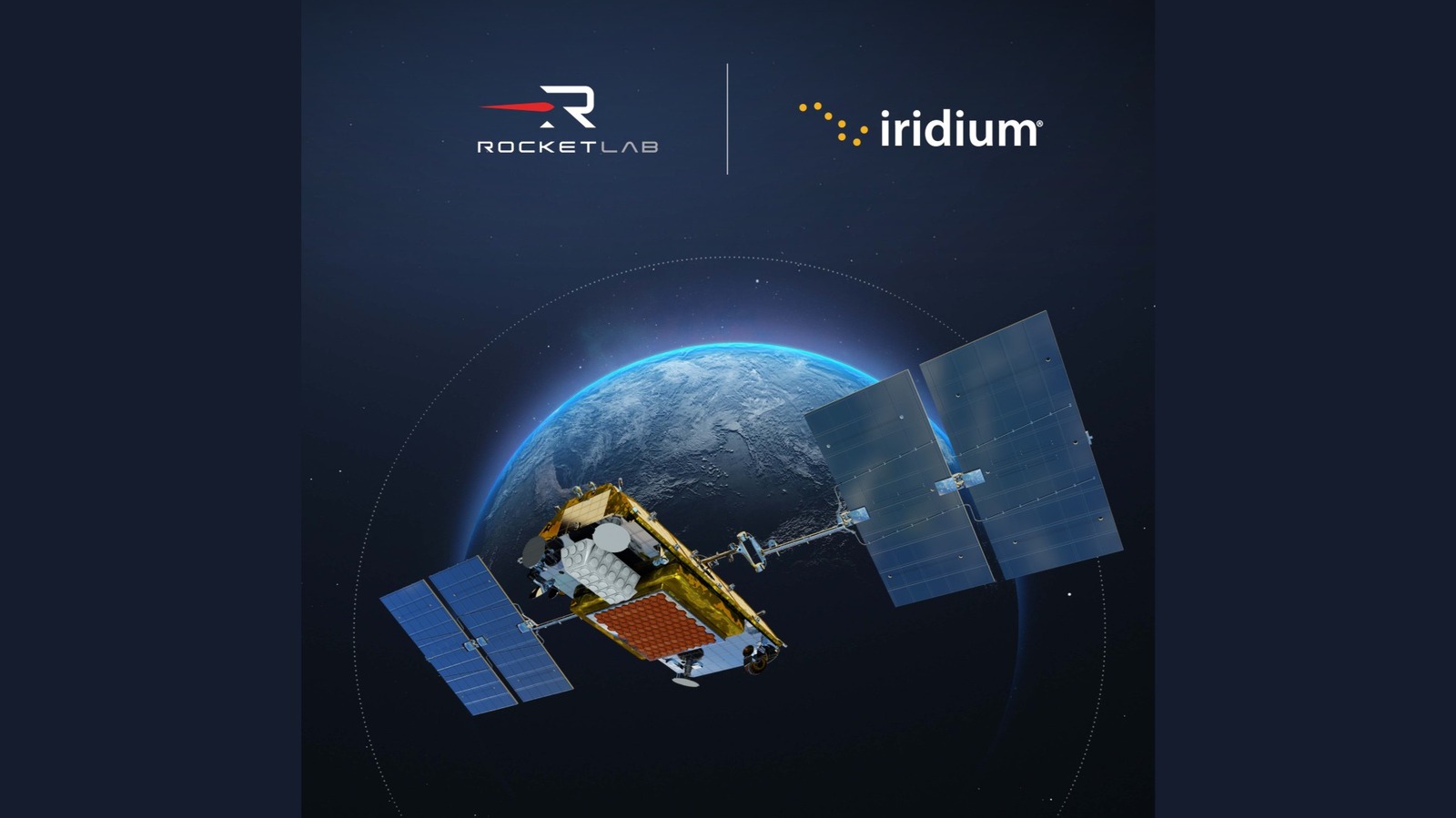
💡Major consolidation in the satellite internet space directly impacts the infrastructure layer for global AI connectivity
⚡ 30-Second TL;DR
What Changed
Rocket Lab acquires Iridium to expand satellite connectivity
Why It Matters
This acquisition signals a major shift in the space-based internet market, potentially accelerating the deployment of low-latency global networks. It forces competitors to reconsider their infrastructure scaling strategies.
What To Do Next
Monitor Rocket Lab's API documentation for potential future access to satellite-based edge computing or data transmission services.
Key Points
- •Rocket Lab acquires Iridium to expand satellite connectivity
- •Strategic move to compete with Starlink and Amazon's Leo
- •Focus on providing connectivity to remote global regions
🧠 Deep Insight
AI-generated analysis for this event — not the original article.
🔑 Enhanced Key Takeaways
- •The acquisition involves a stock-for-stock transaction valued at approximately $4.2 billion, marking one of the largest consolidations in the commercial space sector.
- •Rocket Lab plans to integrate its Electron and Neutron launch vehicles with Iridium's L-band satellite constellation to create a vertically integrated space-as-a-service platform.
- •Iridium's existing government and defense contracts, particularly with the U.S. Space Force, provide Rocket Lab with immediate, high-margin recurring revenue streams.
- •The deal includes the transfer of Iridium's proprietary inter-satellite link (ISL) technology, which allows for real-time data routing without ground station dependency.
- •Regulatory approval is expected to face intense scrutiny from the FCC and antitrust authorities due to the concentration of launch and satellite operations under a single entity.
📊 Competitor Analysis▸ Show
| Feature | Rocket Lab + Iridium | SpaceX (Starlink) | Amazon (Project Kuiper) |
|---|---|---|---|
| Primary Spectrum | L-Band (High Reliability) | Ku/Ka-Band (High Throughput) | Ka-Band (High Throughput) |
| Launch Capability | In-house (Electron/Neutron) | In-house (Falcon 9/Starship) | Third-party (ULA/Blue Origin) |
| Market Focus | Gov/Defense/IoT/Remote | Consumer/Enterprise/Maritime | Enterprise/Consumer/Cloud |
| Latency | Low (LEO) | Low (LEO) | Low (LEO) |
🛠️ Technical Deep Dive
- Iridium constellation utilizes 66 active satellites in 6 orbital planes at an altitude of 780 km.
- The network employs mesh networking via inter-satellite links, enabling global coverage including polar regions.
- Rocket Lab's Neutron rocket is designed for high-cadence reusability, specifically targeting the deployment of large-scale satellite constellations.
- Integration will leverage Rocket Lab's Space Systems division to manufacture next-generation Iridium satellites, potentially utilizing the Photon spacecraft bus architecture.
🔮 Future ImplicationsAI analysis grounded in cited sources
⏳ Timeline
Weekly AI Recap
Read this week's curated digest of top AI events →
👉Related Updates
AI-curated news aggregator. All content rights belong to original publishers.
Original source: Engadget ↗
This is a summary, not the original. Read the source, or get the weekly briefing.
Weekly AI briefing
One email a week. Unsubscribe anytime.