Robots Ease AI Job Replacement Fears
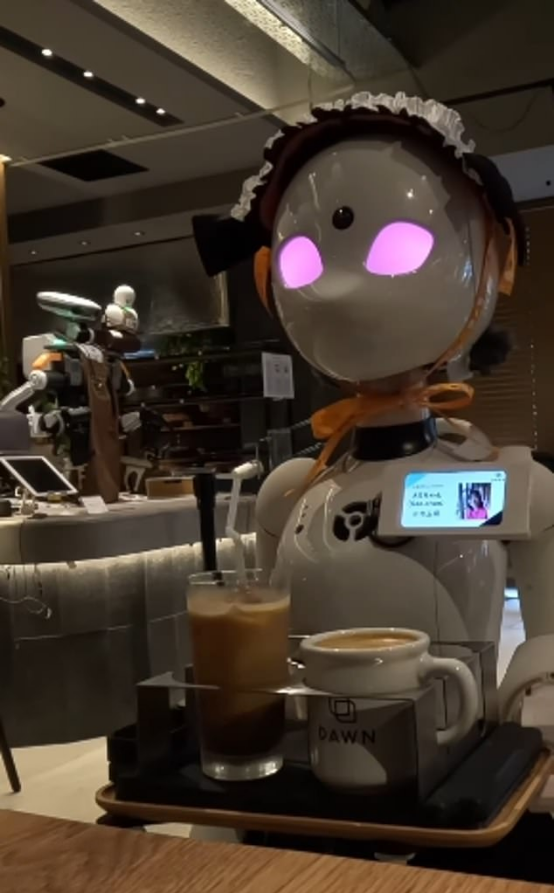
💡Real robot-human collab debunks AI unemployment panic
⚡ 30-Second TL;DR
What Changed
Citrini Research: AI creates human-free capital-labor loop by 2028
Why It Matters
Shifts AI focus from job loss to embodied AI accessibility and policy needs for equitable growth.
What To Do Next
Build prototypes with ROS for remote robot control in service bots.
Key Points
- •Citrini Research: AI creates human-free capital-labor loop by 2028
- •Dawn Avatar robots in Tokyo cafe controlled by bedridden disabled
- •Robot tax to tax productivity gains, fund universal leisure
- •Growth in human-centric experiences like sports, concerts
🧠 Deep Insight
Background and context from public sources — not the original article. 5 sources cited.
🔑 Enhanced Key Takeaways
- •The Citrini Research report describes a self-reinforcing economic cycle where AI investment displaces white-collar workers, reducing consumer spending, which forces companies to cut costs further through additional AI investment—creating what the report calls a feedback loop with 'no natural brake'[1][2].
- •Critics argue the Citrini scenario underestimates policy responses and new economic opportunities; economist Claudia Sahm noted that a labor shock of this magnitude would 'likely trigger a forceful fiscal/monetary response' that the report downplays[2].
- •The report identifies a specific financial stability risk: prime mortgage defaults among white-collar borrowers who were previously considered creditworthy, potentially destabilizing the $13 trillion mortgage market and private credit markets[1][2].
- •In practice, AI displacement has created new intermediate roles with wage compression dynamics—such as 'AI Data Quality Auditors' earning 40% less than displaced engineers, and 'AI pipeline reviewers' supervising machine outputs, rather than complete job elimination[5].
🔮 Future ImplicationsAI analysis grounded in cited sources
⏳ Timeline
📎 Sources (5)
Factual claims are grounded in the sources below. Forward-looking analysis is AI-generated interpretation.
Weekly AI Recap
Read this week's curated digest of top AI events →
👉Related Updates
AI-curated news aggregator. All content rights belong to original publishers.
Original source: 虎嗅 ↗
This is a summary, not the original. Read the source, or get the weekly briefing.
Weekly AI briefing
One email a week. Unsubscribe anytime.