Robotics-as-a-Service: Why businesses are choosing to rent robots
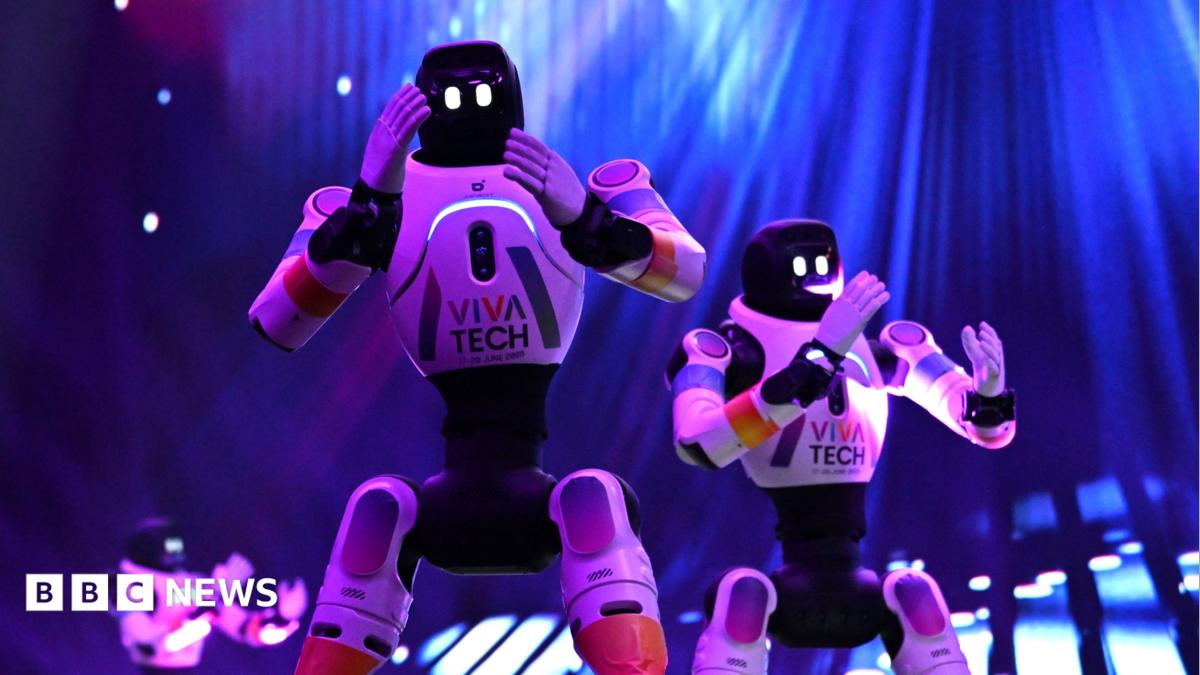
💡Discover how the RaaS model is democratizing access to advanced robotics for enterprise automation.
⚡ 30-Second TL;DR
What Changed
Robotics technology is evolving at an accelerated pace
Why It Matters
The shift toward rental models lowers the barrier to entry for deploying embodied AI in commercial settings. It enables faster iteration cycles for robotics startups and integrators.
What To Do Next
Evaluate whether your current automation projects can be scaled using Robotics-as-a-Service (RaaS) providers to optimize cash flow.
Key Points
- •Robotics technology is evolving at an accelerated pace
- •Renting robots reduces significant upfront capital investment
- •Businesses are shifting toward flexible automation solutions
🧠 Deep Insight
AI-generated analysis for this event — not the original article.
🔑 Enhanced Key Takeaways
- •RaaS models often include 'Robotics Operations Centers' (ROC) where human operators remotely monitor and intervene in robot tasks to ensure uptime.
- •The shift to RaaS is heavily driven by the 'labor shortage' crisis in logistics and manufacturing, where robots are used to fill gaps rather than replace full-time staff.
- •RaaS contracts frequently bundle hardware, software updates, maintenance, and insurance into a single monthly OpEx fee, simplifying accounting for SMEs.
- •Edge computing integration allows RaaS providers to push real-time software patches and performance optimizations to fleets without requiring on-site technician visits.
- •Data-as-a-Service (DaaS) has emerged as a secondary revenue stream for RaaS providers, who sell aggregated operational insights back to clients to improve warehouse efficiency.
📊 Competitor Analysis▸ Show
| Feature | Locus Robotics | Fetch Robotics (Zebra) | Exotec |
|---|---|---|---|
| Pricing Model | Subscription/RaaS | Subscription/RaaS | Capital/Lease |
| Primary Use | Warehouse Picking | Material Handling | High-Density Storage |
| Fleet Management | Cloud-based | Cloud-based | Proprietary ASRS |
🛠️ Technical Deep Dive
- Fleet Orchestration: Utilizes multi-agent pathfinding (MAPF) algorithms to prevent congestion in dynamic warehouse environments.
- Communication Protocols: Relies on 5G or private LTE networks to maintain low-latency connectivity between robots and the central control server.
- Sensor Fusion: Combines LiDAR, depth cameras, and IMU data to achieve SLAM (Simultaneous Localization and Mapping) in environments with changing layouts.
- API Integration: Uses RESTful APIs and ROS (Robot Operating System) middleware to interface with existing Warehouse Management Systems (WMS) and ERP software.
🔮 Future ImplicationsAI analysis grounded in cited sources
⏳ Timeline
Weekly AI Recap
Read this week's curated digest of top AI events →
👉Related Updates

AI-curated news aggregator. All content rights belong to original publishers.
Original source: BBC Technology ↗
This is a summary, not the original. Read the source, or get the weekly briefing.
Weekly AI briefing
One email a week. Unsubscribe anytime.