Risks of unauthorized EV battery range extenders
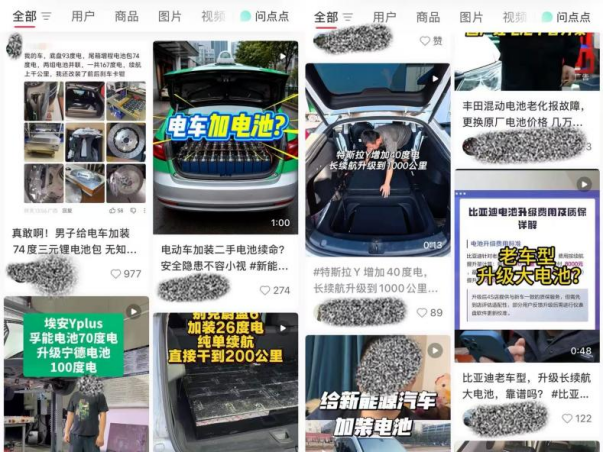
💡Understand the safety and legal risks of unauthorized EV battery hacks in the growing aging-EV market.
⚡ 30-Second TL;DR
What Changed
Unauthorized battery modifications lack safety certifications and proper thermal management.
Why It Matters
The rise of unregulated battery modifications highlights a critical gap in EV maintenance and safety standards as vehicles age. It serves as a warning for manufacturers to improve battery longevity and serviceability.
What To Do Next
If building EV-related software, ensure your diagnostic tools can detect unauthorized hardware modifications to prevent safety-critical system failures.
Key Points
- •Unauthorized battery modifications lack safety certifications and proper thermal management.
- •Modifications void original manufacturer warranties and complicate insurance claims.
- •The gray market for battery upgrades targets aging EVs and commercial vehicles.
- •Legal risks include potential liability for illegal vehicle modification if accidents occur.
🧠 Deep Insight
AI-generated analysis for this event — not the original article.
🔑 Enhanced Key Takeaways
- •Unauthorized range extenders often involve 'voltage spoofing' techniques that trick the Battery Management System (BMS) into miscalculating the State of Charge (SoC), leading to potential sudden power loss.
- •Many aftermarket range extenders utilize low-cost, non-automotive grade lithium-ion cells that lack the necessary vibration resistance and thermal runaway protection required for road vehicles.
- •Regulatory bodies in several jurisdictions have begun implementing 'software locking' mandates, making it increasingly difficult for third-party hardware to interface with the vehicle's CAN bus without triggering a permanent fault state.
- •The rise of these modifications has led to a surge in 'thermal runaway' incidents during DC fast charging, as the added hardware often bypasses the vehicle's integrated liquid cooling loops.
- •Insurance companies are increasingly utilizing telematics data to detect unauthorized hardware modifications, leading to automatic policy cancellations for vehicles identified with non-OEM battery components.
🛠️ Technical Deep Dive
- Voltage Spoofing: Intercepts and modifies CAN bus signals between the battery pack and the BMS to report false voltage levels.
- Thermal Bypass: Many extenders operate outside the vehicle's primary cooling circuit, relying on passive air cooling which is insufficient for high-discharge scenarios.
- BMS Incompatibility: Unauthorized packs often lack the high-speed communication protocols required to synchronize with the vehicle's master controller, preventing accurate cell balancing.
- DC-DC Converter Mismatch: Improperly matched converters can cause voltage spikes that damage the vehicle's onboard charger (OBC) and power electronics.
🔮 Future ImplicationsAI analysis grounded in cited sources
⏳ Timeline
Weekly AI Recap
Read this week's curated digest of top AI events →
👉Related Updates




AI-curated news aggregator. All content rights belong to original publishers.
Original source: 虎嗅 ↗
This is a summary, not the original. Read the source, or get the weekly briefing.
The weekly digest
One email a week. Unsubscribe anytime.