Rising cancer rates in youth and medical advancements
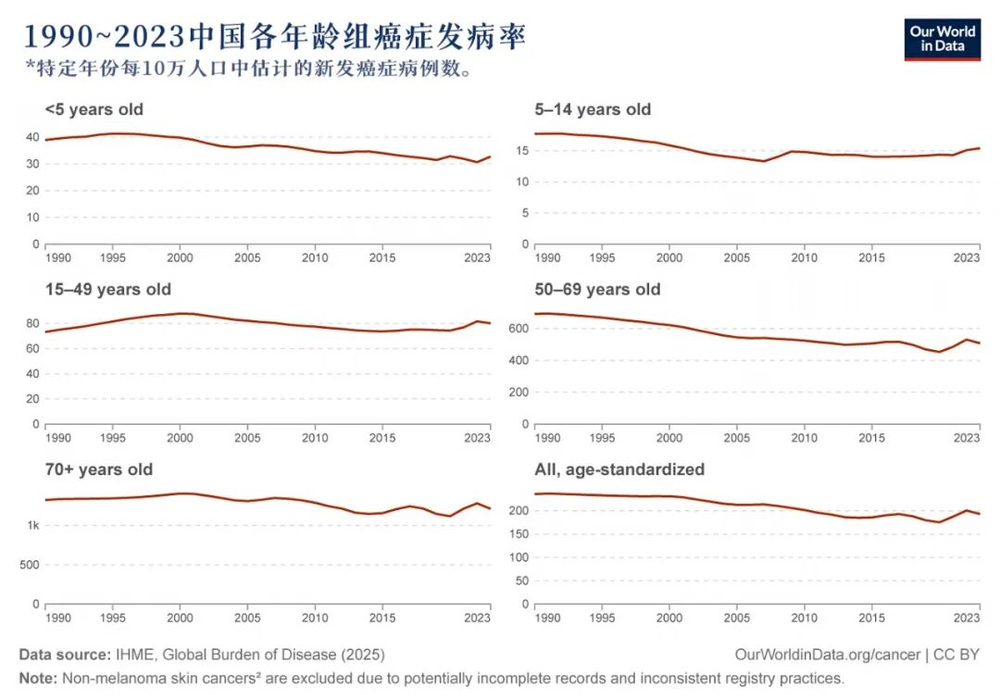
💡Learn how AI-driven biotech innovations are tackling the global challenge of rising cancer rates in younger populations.
⚡ 30-Second TL;DR
What Changed
Cancer incidence in Chinese youth (15-39) increased by 40% between 1990 and 2021.
Why It Matters
The integration of AI in drug discovery and personalized medicine is accelerating the development of therapies like CAR-T, offering hope for early-stage intervention and better outcomes.
What To Do Next
Explore public biomedical datasets (e.g., TCGA) using AI models to identify potential biomarkers for early cancer detection.
Key Points
- •Cancer incidence in Chinese youth (15-39) increased by 40% between 1990 and 2021.
- •Lifestyle factors like sleep, diet, and sedentary behavior are primary contributors to early-onset cancer.
- •Advanced therapies like CAR-T and ADC are revolutionizing cancer treatment by targeting tumor cells with high precision.
🧠 Deep Insight
AI-generated analysis for this event — not the original article.
🔑 Enhanced Key Takeaways
- •Early-onset cancer (EOC) is increasingly linked to 'accelerated biological aging,' where individuals exhibit cellular aging markers older than their chronological age.
- •The gut microbiome composition in younger generations has been significantly altered by ultra-processed food consumption, potentially triggering chronic inflammation that promotes oncogenesis.
- •ADC (Antibody-Drug Conjugate) efficacy is being enhanced by 'bystander effects,' where the drug kills not only the targeted cancer cell but also neighboring tumor cells that may lack the specific antigen.
- •CAR-T therapy research is shifting toward 'off-the-shelf' (allogeneic) products to reduce the high costs and long manufacturing times associated with current autologous treatments.
- •Environmental exposure to microplastics and endocrine-disrupting chemicals (EDCs) is being investigated as a critical, under-researched variable in the rising incidence of colorectal and breast cancers in the under-40 demographic.
🛠️ Technical Deep Dive
- CAR-T (Chimeric Antigen Receptor T-cell) therapy involves genetically engineering a patient's T-cells to express a synthetic receptor (scFv) that recognizes specific tumor-associated antigens, followed by ex vivo expansion and reinfusion.
- ADC (Antibody-Drug Conjugate) architecture consists of three components: a monoclonal antibody that binds to a specific target, a cytotoxic payload (e.g., MMAE, DXd), and a chemical linker that ensures stability in circulation while allowing payload release within the tumor microenvironment.
- The bystander effect in ADCs is facilitated by cleavable linkers that allow the cytotoxic payload to diffuse across the cell membrane after internalization and degradation, impacting adjacent cells.
🔮 Future ImplicationsAI analysis grounded in cited sources
⏳ Timeline
Weekly AI Recap
Read this week's curated digest of top AI events →
👉Related Updates

AI-curated news aggregator. All content rights belong to original publishers.
Original source: 虎嗅 ↗
This is a summary, not the original. Read the source, or get the weekly briefing.
The weekly digest
One email a week. Unsubscribe anytime.