Ricoh Japan’s Playbook for AI-Driven Sales
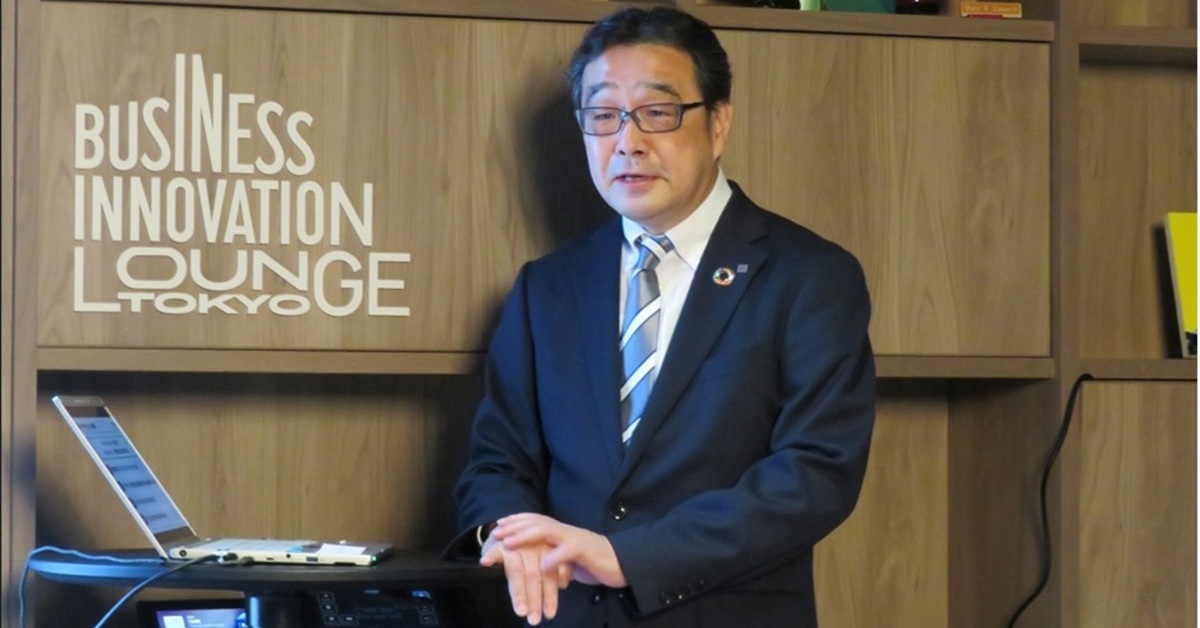
Learn how Ricoh Japan is turning AI-enabled sales transformation into a practical, solution-focused playbook.
30-Second TL;DR
What Changed
Ricoh Japan is pursuing a transition away from product-centered selling.
Why It Matters
The strategy illustrates how enterprise AI adoption may depend as much on sales-process redesign as on deploying new models. AI practitioners should consider workflow and organizational changes alongside automation capabilities.
What To Do Next
Map one sales workflow from lead qualification to proposal generation, then identify which steps can be supported by your CRM’s AI features and measure cycle time.
Key Points
- •Ricoh Japan is pursuing a transition away from product-centered selling.
- •The target model emphasizes solving customer business challenges rather than selling equipment.
- •The article focuses on practical considerations for implementing Sales AX effectively.
Deep Insight
AI-generated analysis for this event — not the original article.
Enhanced Key Takeaways
- •Ricoh Japan utilizes a proprietary 'Sales AX' (Sales Transformation) framework that integrates AI-driven data analytics to identify customer pain points before the initial sales engagement.
- •The strategy involves a significant shift in human resource development, moving from traditional product training to 'consultative sales' training supported by AI-generated customer insights.
- •Ricoh has implemented a centralized data platform that aggregates customer interaction history, equipment usage data, and market trends to provide sales representatives with actionable 'next best action' recommendations.
- •The transformation is part of Ricoh's broader 'Digital Services' business model, which aims to transition the company from a hardware manufacturer to a service-oriented digital workplace provider.
- •Ricoh Japan's Sales AX initiative includes a feedback loop where field sales data is fed back into the AI models to continuously refine the accuracy of business challenge predictions.
Competitor Analysis
- Ricoh (Sales AX)
- Digital Services/Consultative
- FujiFilm Business Innovation
- Document Solutions/Managed Services
- Canon (Marketing/Sales)
- Imaging/Office Solutions
- Ricoh (Sales AX)
- High (Predictive Sales)
- FujiFilm Business Innovation
- Moderate (Operational)
- Canon (Marketing/Sales)
- Moderate (Process Automation)
- Ricoh (Sales AX)
- Solution-Based/Consultative
- FujiFilm Business Innovation
- Hybrid (Product/Service)
- Canon (Marketing/Sales)
- Product-Centric/Direct
- Ricoh (Sales AX)
- Digital Workplace Transformation
- FujiFilm Business Innovation
- Document Management Leader
- Canon (Marketing/Sales)
- Imaging & Office Hardware Leader
| Feature | Ricoh (Sales AX) | FujiFilm Business Innovation | Canon (Marketing/Sales) |
|---|---|---|---|
| Primary Focus | Digital Services/Consultative | Document Solutions/Managed Services | Imaging/Office Solutions |
| AI Integration | High (Predictive Sales) | Moderate (Operational) | Moderate (Process Automation) |
| Sales Model | Solution-Based/Consultative | Hybrid (Product/Service) | Product-Centric/Direct |
| Market Positioning | Digital Workplace Transformation | Document Management Leader | Imaging & Office Hardware Leader |
Technical Deep Dive
- Data Integration: Utilizes a unified data lake architecture that merges CRM (Salesforce) data with IoT telemetry from Ricoh office equipment.
- AI Architecture: Employs machine learning models for predictive analytics, specifically focusing on churn prediction and cross-sell/up-sell opportunity identification.
- Implementation: Deployed via a cloud-based sales enablement platform that provides real-time dashboards and mobile-accessible insights for field sales teams.
- Analytics Engine: Leverages natural language processing (NLP) to analyze customer meeting notes and support tickets to extract sentiment and business intent.
Future ImplicationsAI analysis grounded in cited sources
Timeline
- 2020-04Ricoh announces its 'RICOH Ignite' growth strategy focusing on digital services.
- 2022-03Ricoh Japan begins internal restructuring to align sales divisions with digital service offerings.
- 2024-01Official launch of the 'Sales AX' initiative to standardize AI-supported consultative selling across Japan.
- 2025-06Ricoh reports significant improvement in sales productivity metrics following the integration of AI-driven insights.
Weekly AI Recap
Read this week's curated digest of top AI events →
Related Updates
AI-curated news aggregator. All content rights belong to original publishers.
Original source: ITmedia AI+ (日本) ↗
This is a summary, not the original. Read the source, or get the weekly briefing.
The weekly digest
One email a week. Unsubscribe anytime.