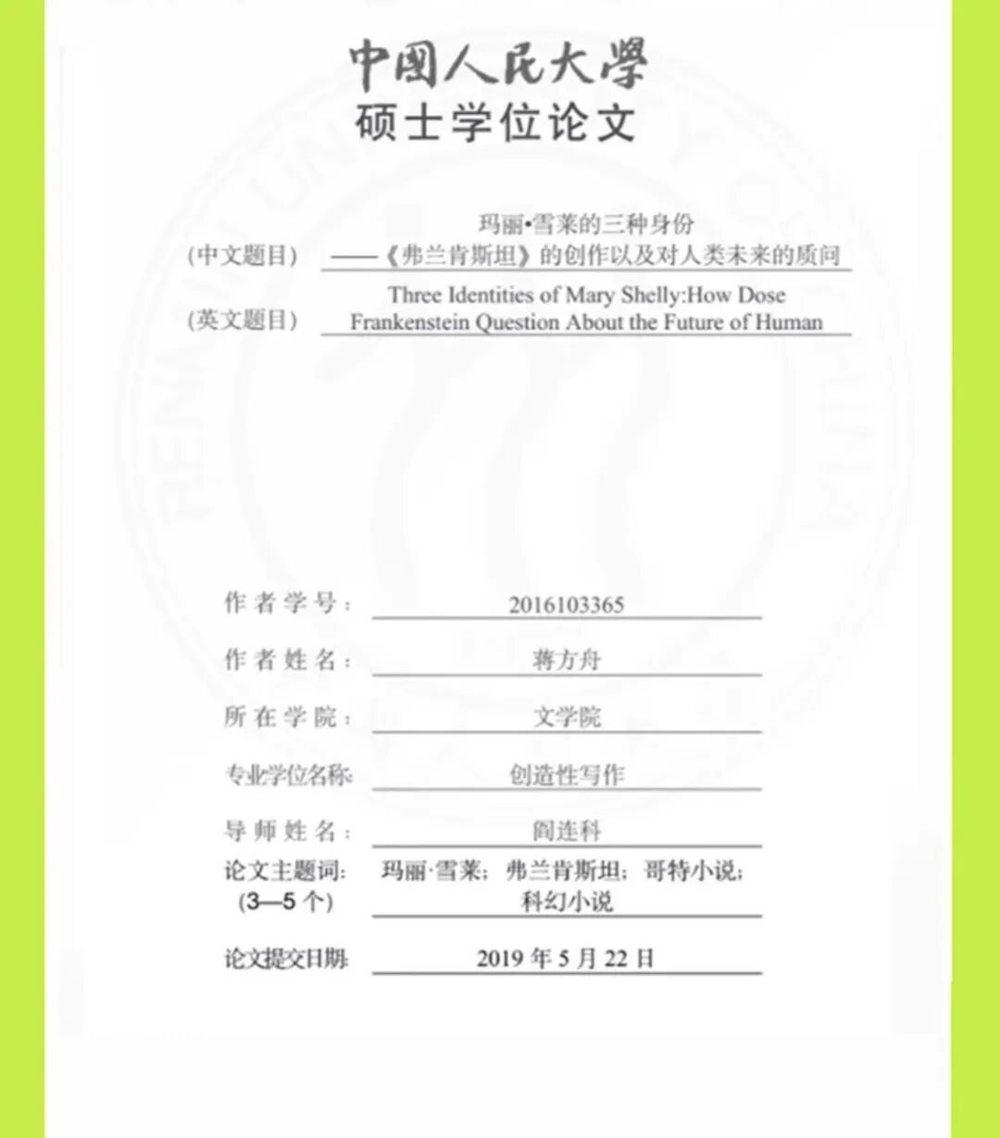
Renowned author cleared of academic misconduct
💡Learn the critical difference between academic negligence and fraud in the context of AI-assisted research writing.
⚡ 30-Second TL;DR
What Changed
The investigation found issues with citations and translations, but no evidence of plagiarism or fabrication.
Why It Matters
This case underscores the need for stricter academic standards in humanities research to prevent the devaluation of degrees and the proliferation of low-quality research.
What To Do Next
For researchers, always use automated citation management tools like Zotero to minimize technical errors in academic writing.
Key Points
- •The investigation found issues with citations and translations, but no evidence of plagiarism or fabrication.
- •The thesis was an internal requirement and not publicly published, leading to lower scrutiny during the writing process.
- •The case distinguishes between 'academic non-compliance' (negligence) and 'academic misconduct' (fraud).
- •The broader issue identified is the proliferation of 'junk academic papers' produced for graduation or promotion requirements.
🧠 Deep Insight
AI-generated analysis for this event — not the original article.
🔑 Enhanced Key Takeaways
- •The investigation into Jiang Fangzhou's thesis was triggered by public accusations made by netizens in 2021 regarding the originality of her master's degree work.
- •Renmin University of China's Academic Committee conducted a formal review process that lasted several months before issuing their final determination in late 2021.
- •The controversy was part of a wider wave of scrutiny targeting Chinese public figures and celebrities regarding their academic credentials and thesis integrity during that period.
- •Jiang Fangzhou, a prominent writer and public intellectual, had previously faced public skepticism regarding her admission to Renmin University via the 'independent recruitment' (zizhu zhaosheng) channel.
- •The university's conclusion emphasized that while the thesis failed to meet rigorous academic citation standards, it did not meet the threshold for 'academic misconduct' as defined by the Ministry of Education's regulations.
🔮 Future ImplicationsAI analysis grounded in cited sources
⏳ Timeline
Weekly AI Recap
Read this week's curated digest of top AI events →
👉Related Updates
AI-curated news aggregator. All content rights belong to original publishers.
Original source: 虎嗅 ↗
This is a summary, not the original. Read the source, or get the weekly briefing.
Weekly AI briefing
One email a week. Unsubscribe anytime.