Radiation-Proof Wi-Fi for Nuclear Robots
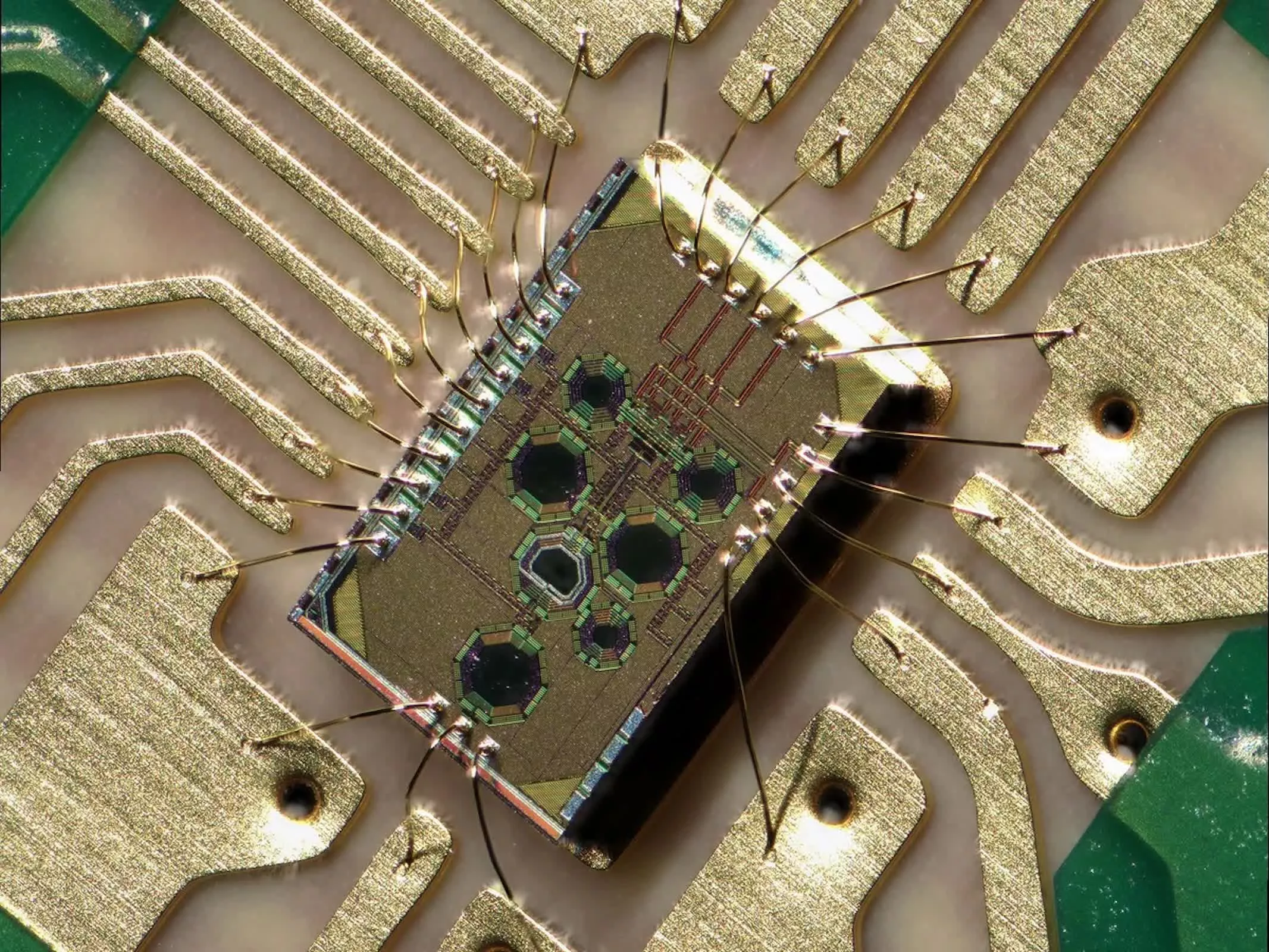
💡Radiation-proof Wi-Fi unlocks nuclear ops for embodied AI robots
⚡ 30-Second TL;DR
What Changed
Developed by Tokyo University of Science team
Why It Matters
Advances safe robotic operations in hazardous nuclear sites, reducing human exposure risks. Enables embodied AI robots to function reliably in extreme environments, accelerating global nuclear cleanup.
What To Do Next
Test integrating radiation-hardened Wi-Fi modules into embodied AI robot prototypes for harsh environments.
Key Points
- •Developed by Tokyo University of Science team
- •Withstands 1000x radiation dose of conventional electronics
- •Tested successfully in nuclear reactor irradiation trials
- •Supports robot connectivity for nuclear decommissioning
🧠 Deep Insight
AI-generated analysis for this event — not the original article.
🔑 Enhanced Key Takeaways
- •The technology utilizes a radiation-hardened design approach that specifically targets the mitigation of Single Event Effects (SEE) in CMOS-based Wi-Fi chipsets, rather than relying solely on heavy physical shielding.
- •The research team successfully demonstrated the system's resilience by maintaining a stable 2.4 GHz wireless link while subjected to a cumulative dose of 1 kGy (kilogray) of gamma radiation.
- •This development addresses a critical bottleneck in nuclear decommissioning, where traditional wireless signals are often blocked by thick concrete containment structures and high-density shielding required for human safety.
🛠️ Technical Deep Dive
- •Utilizes a specialized radiation-hardened-by-design (RHBD) methodology to modify standard Wi-Fi chip architectures.
- •Implements redundant circuit paths and error-correction algorithms to compensate for bit-flips caused by ionizing radiation.
- •Focuses on maintaining signal integrity and throughput in high-noise, high-radiation environments where standard packet loss rates would typically render communication impossible.
- •Designed to operate within the 2.4 GHz ISM band to ensure compatibility with existing industrial-grade wireless infrastructure.
🔮 Future ImplicationsAI analysis grounded in cited sources
⏳ Timeline
Weekly AI Recap
Read this week's curated digest of top AI events →
👉Related Updates
AI-curated news aggregator. All content rights belong to original publishers.
Original source: cnBeta (Full RSS) ↗
This is a summary, not the original. Read the source, or get the weekly briefing.
The weekly digest
One email a week. Unsubscribe anytime.