R2 Puts Didi’s Driver Model on Trial
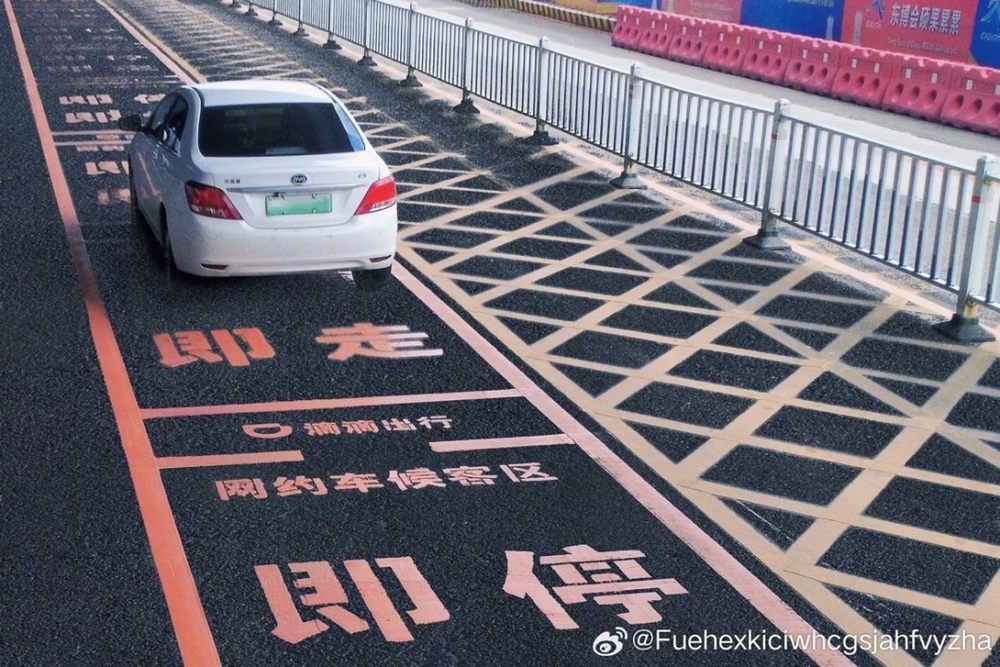
💡R2 is not just a driverless car launch—it tests whether Didi can profit after taking vehicle costs back from drivers.
⚡ 30-Second TL;DR
What Changed
R2 began driverless passenger testing on August 31 in selected demonstration areas of Beijing and Guangzhou.
Why It Matters
R2 is strategically important because it moves autonomous driving from a technology demonstration toward a platform-level business-model transition. For AI and robotics founders, the key question is not only L4 performance but whether fleet utilization, maintenance, dispatch, and vehicle financing can produce better unit economics than human-driven transport.
What To Do Next
Benchmark an L4 fleet unit-economics model against human-driven vehicles, including sensor-compute cost, maintenance, utilization, idle time, and per-trip revenue.
Key Points
- •R2 began driverless passenger testing on August 31 in selected demonstration areas of Beijing and Guangzhou.
- •The vehicle uses Didi’s full-stack L4 autonomous-driving solution, 33 sensors, and a three-domain fusion computing platform.
- •Passengers can use voice commands for identity verification, trip start, air conditioning, and window controls; the rear seat includes a 17.3-inch ceiling display.
- •Robotaxis may remove drivers from the supply chain, but Didi would then need to absorb vehicle purchase, maintenance, utilization, and idle-capacity risks.
- •The launch challenges Didi’s platform economics, where drivers historically supplied the most expensive production asset—the car.
Weekly AI Recap
Read this week's curated digest of top AI events →
👉Related Updates

AI-curated news aggregator. All content rights belong to original publishers.
Original source: 虎嗅 ↗
This is a summary, not the original. Read the source, or get the weekly briefing.
Weekly AI briefing
One email a week. Unsubscribe anytime.