Qwen Office Launches Agent-Built Team Workspaces
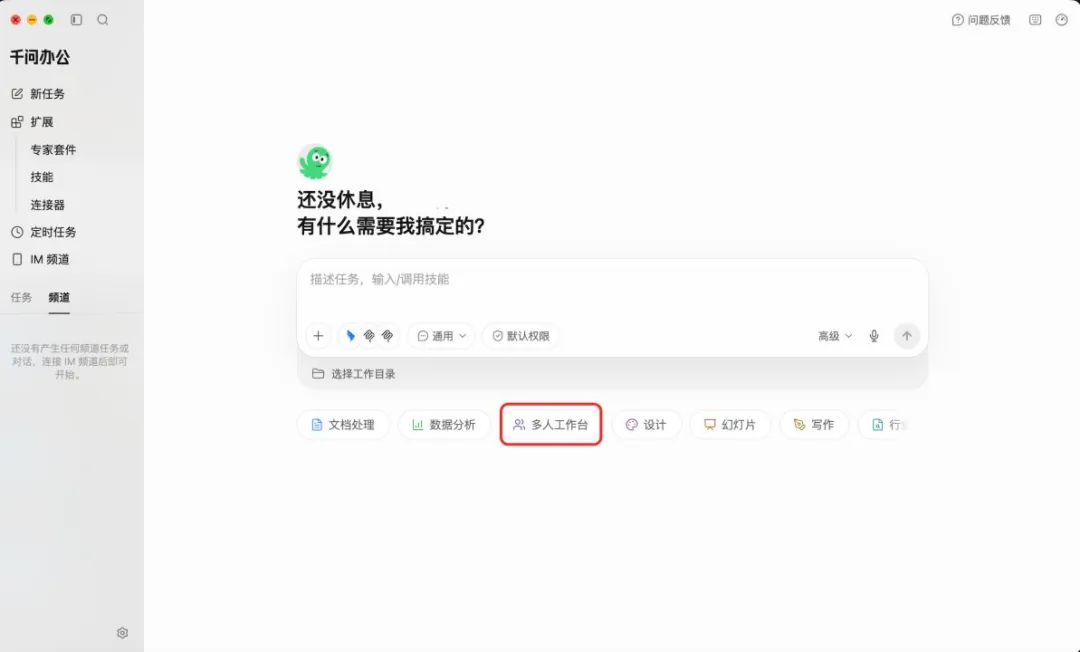
💡See how an Agent turns a business description into a multi-user enterprise app with permissions and shared data.
⚡ 30-Second TL;DR
What Changed
Users describe roles, responsibilities, and required data instead of selecting a predefined CRM or project-management product.
Why It Matters
If reliable, this approach could reduce the implementation burden that has constrained enterprise SaaS adoption, especially for company-specific workflows. It may also pressure traditional CRM, ERP, and low-code vendors to make workflow modeling and permission management more adaptive.
What To Do Next
Prototype one internal workflow in Qwen Office's multi-user workbench and verify its generated permissions, database schema, approval states, and auditability before broader deployment.
Key Points
- •Users describe roles, responsibilities, and required data instead of selecting a predefined CRM or project-management product.
- •The Agent dynamically generates role-based permissions, cloud database structures, status transitions, and an administrative backend.
- •The workspace is designed for shared organizational context and supports up to 100 concurrent users.
- •The product targets the gap between standardized SaaS and costly company-specific customization.
- •The article argues that enterprise Agents may shift software delivery from reusable products toward on-demand workflow generation.
Weekly AI Recap
Read this week's curated digest of top AI events →
👉Related Updates
AI-curated news aggregator. All content rights belong to original publishers.
Original source: 极客公园 ↗
This is a summary, not the original. Read the source, or get the weekly briefing.
Weekly AI briefing
One email a week. Unsubscribe anytime.