Qingming: Internet Products First to Fall
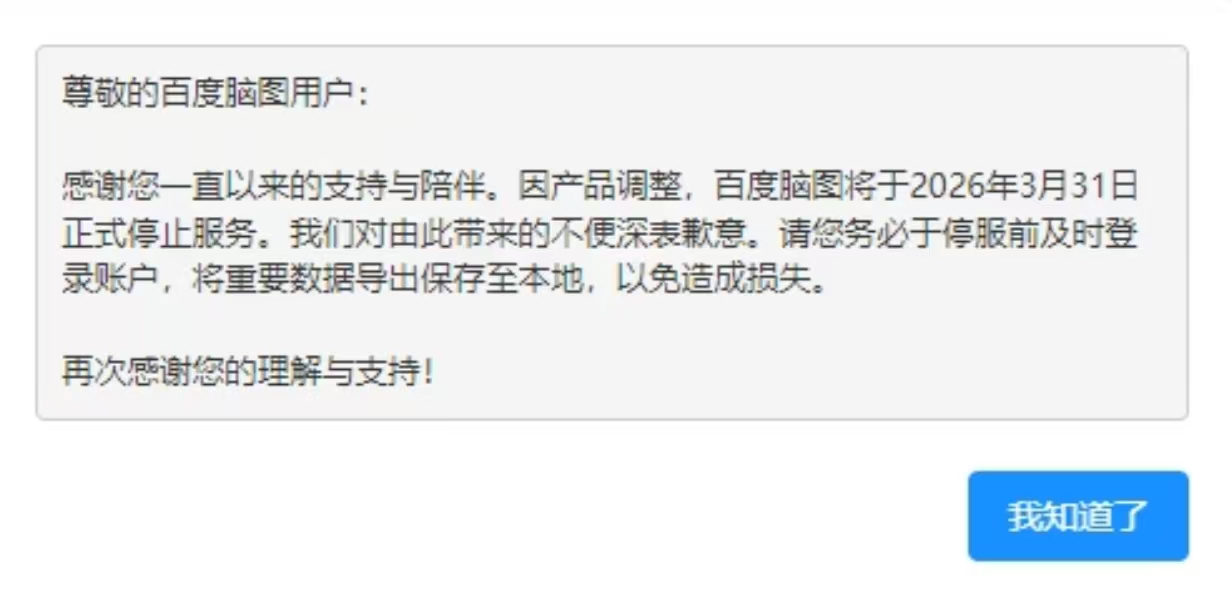
💡AI killing internet apps—key lessons on efficiency for builders.
⚡ 30-Second TL;DR
What Changed
Qingming special on past year's internet product failures.
Why It Matters
Reveals AI's disruptive force on legacy internet apps, urging practitioners to prioritize efficiency. Could guide pivots for AI-integrated products.
What To Do Next
Benchmark your app's efficiency against failed products listed in the article.
Key Points
- •Qingming special on past year's internet product failures.
- •Downfalls tied to AI wave's efficiency demands.
- •Highlights survival challenges in AI era.
🧠 Deep Insight
AI-generated analysis for this event — not the original article.
🔑 Enhanced Key Takeaways
- •The 2025-2026 period saw a marked shift in venture capital focus, moving away from 'growth at all costs' toward 'AI-native' applications that demonstrate immediate unit economic improvements.
- •Legacy SaaS products that failed to integrate LLM-based automation workflows were rapidly displaced by lightweight, API-first AI agents that reduced operational overhead by 40-60% for enterprise users.
- •The 'Qingming' phenomenon in the Chinese tech sector reflects a broader trend of 'product Darwinism,' where the speed of iteration cycles has compressed from months to weeks due to AI-assisted coding and rapid prototyping tools.
🔮 Future ImplicationsAI analysis grounded in cited sources
Weekly AI Recap
Read this week's curated digest of top AI events →
👉Related Updates


AI-curated news aggregator. All content rights belong to original publishers.
Original source: 钛媒体 ↗
This is a summary, not the original. Read the source, or get the weekly briefing.
Weekly AI briefing
One email a week. Unsubscribe anytime.