Qidian Taoyi raises funding for AI agent OS Nexus
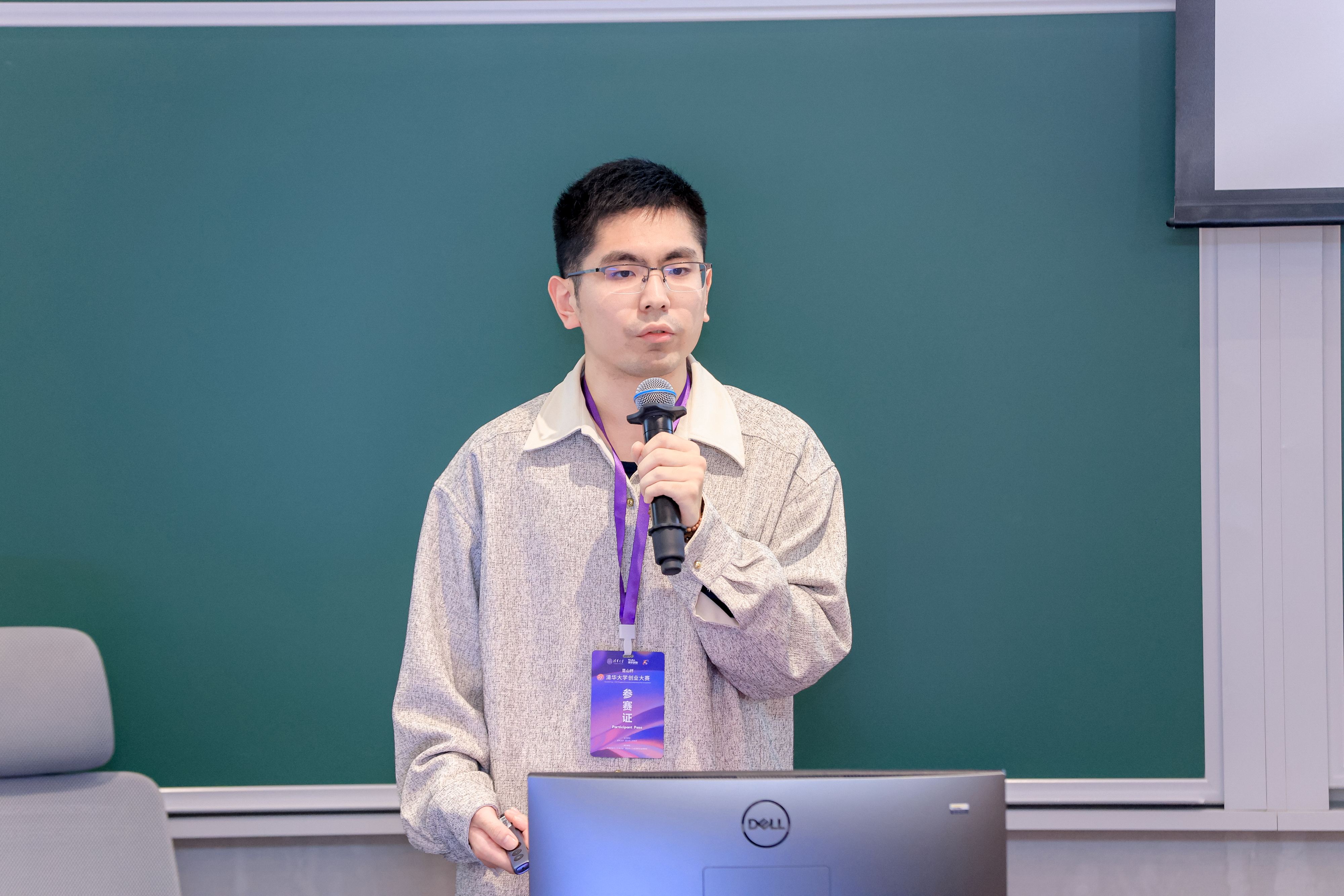
A new OS for AI agents that aims to solve the 'collaboration gap' in multi-agent systems.
30-Second TL;DR
What Changed
Nexus uses a graph-based structure to unify humans, agents, tasks, and tools.
Why It Matters
This approach shifts AI agents from isolated tools to integrated organizational members, potentially increasing the complexity of tasks that AI teams can handle.
What To Do Next
Evaluate your current agent workflows for 'collaboration gaps' and consider implementing a centralized state-tracking layer to improve agent context retention.
Key Points
- •Nexus uses a graph-based structure to unify humans, agents, tasks, and tools.
- •The system focuses on 'self-evolution' through real-world feedback, independent evaluation, and governance.
- •Addresses the 'collaboration gap' where agents currently operate as isolated individuals rather than team members.
Deep Insight
AI-generated analysis for this event — not the original article.
Enhanced Key Takeaways
- •Qidian Taoyi was founded by industry veterans with backgrounds in large-scale distributed systems and previous experience at major Chinese tech firms.
- •The Nexus OS utilizes a proprietary 'Agent-Graph' architecture that maps semantic relationships between unstructured human communication and structured task execution.
- •The seed funding round was led by prominent early-stage venture capital firms specializing in the Chinese AGI infrastructure stack.
- •Nexus incorporates a 'Human-in-the-loop' governance layer that allows managers to set guardrails for agent autonomy, preventing runaway task execution.
- •The platform is currently being piloted by select enterprise clients in the software development and digital marketing sectors to optimize cross-departmental workflows.
Competitor Analysis
- Nexus (Qidian Taoyi)
- Team-based Agent OS
- AutoGPT / LangChain
- Individual Agent Scripting
- Microsoft AutoGen
- Multi-Agent Framework
- Nexus (Qidian Taoyi)
- Graph-based State Management
- AutoGPT / LangChain
- Linear/Chain-based
- Microsoft AutoGen
- Conversation-based
- Nexus (Qidian Taoyi)
- Built-in Human-in-the-loop
- AutoGPT / LangChain
- Manual/Custom
- Microsoft AutoGen
- Code-level definition
- Nexus (Qidian Taoyi)
- Enterprise Teams
- AutoGPT / LangChain
- Developers
- Microsoft AutoGen
- Developers/Engineers
| Feature | Nexus (Qidian Taoyi) | AutoGPT / LangChain | Microsoft AutoGen |
|---|---|---|---|
| Core Focus | Team-based Agent OS | Individual Agent Scripting | Multi-Agent Framework |
| Architecture | Graph-based State Management | Linear/Chain-based | Conversation-based |
| Governance | Built-in Human-in-the-loop | Manual/Custom | Code-level definition |
| Target User | Enterprise Teams | Developers | Developers/Engineers |
Technical Deep Dive
- Architecture: Employs a graph-based state machine where nodes represent agents, tasks, or resources, and edges represent dependency or communication flows.
- Self-Evolution Mechanism: Implements a reinforcement learning from feedback (RLF) loop that evaluates agent performance against historical task success rates.
- Integration Layer: Uses a standardized API bridge to connect with existing enterprise SaaS tools (e.g., Jira, Slack, GitHub) to ingest real-time state changes.
- Governance: Features a hierarchical permission system that restricts agent access to sensitive data based on the 'Task Context' rather than static user roles.
Future ImplicationsAI analysis grounded in cited sources
Timeline
- 2026-02Qidian Taoyi is officially incorporated to focus on AI-native operating systems.
- 2026-07Nexus OS enters closed beta testing with initial enterprise partners.
- 2026-08Qidian Taoyi announces the completion of its seed funding round.
Weekly AI Recap
Read this week's curated digest of top AI events →
AI-curated news aggregator. All content rights belong to original publishers.
Original source: 36氪 ↗
This is a summary, not the original. Read the source, or get the weekly briefing.
The weekly digest
One email a week. Unsubscribe anytime.