Promise Studio Brings AI Filmmaking to Hollywood
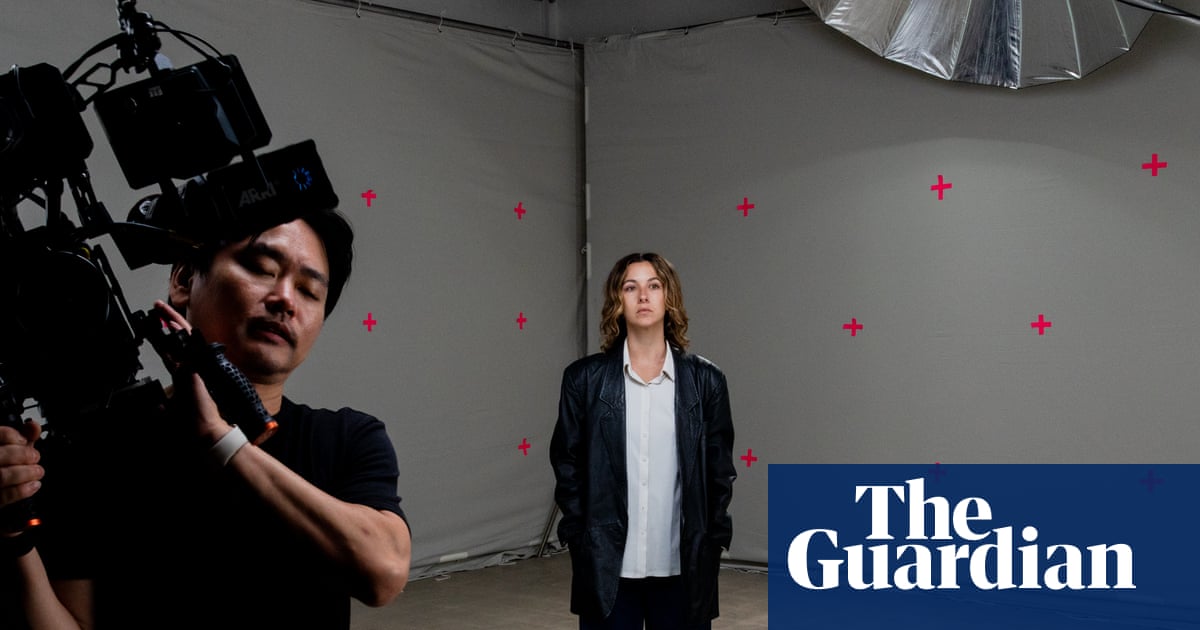
💡See how a new studio uses generative AI for film environments, effects and synthetic performers.
⚡ 30-Second TL;DR
What Changed
Promise is building an AI-powered film studio near Sony Pictures’ historic Culver City facilities.
Why It Matters
Promise’s model could lower the cost and production barriers for independent filmmakers while challenging traditional studio workflows. It may also intensify debates over labor displacement, performer consent and the acceptable use of synthetic actors.
What To Do Next
Prototype a short scene with two leading video-generation models, then document quality, licensing, performer-consent and human-review requirements before using synthetic actors commercially.
Key Points
- •Promise is building an AI-powered film studio near Sony Pictures’ historic Culver City facilities.
- •AI models are being used to generate movie backgrounds, special effects and synthetic performers.
- •The studio uses US models as well as leading Chinese AI technology.
- •Supporters believe AI could help filmmakers bypass major studios and take greater creative risks.
- •The approach remains controversial because of potential effects on film-industry jobs.
🧠 Deep Insight
AI-generated analysis for this event.
🔑 Enhanced Key Takeaways
- •Promise Studio has secured strategic partnerships with several prominent independent production houses to pilot their AI-driven post-production workflow, specifically targeting cost reduction in visual effects.
- •The studio's reliance on Chinese AI technology has triggered scrutiny from U.S. regulatory bodies regarding data sovereignty and potential intellectual property leakage in media production.
- •Promise Studio utilizes a proprietary 'hybrid-model' architecture that integrates open-source large language models with specialized video-generation diffusion models trained on licensed cinematic datasets.
- •The studio's business model includes a 'compute-as-a-service' component, allowing external filmmakers to rent access to their high-performance GPU clusters for rendering synthetic assets.
- •Labor unions, including IATSE and SAG-AFTRA, have formally requested transparency reports from Promise Studio regarding the training data used for their synthetic performers to ensure compliance with recent AI-related collective bargaining agreements.
📊 Competitor Analysis▸ Show
| Feature | Promise Studio | Runway Studios | Wonder Dynamics |
|---|---|---|---|
| Primary Focus | Full-scale studio production | Cloud-based creative tools | AI character integration |
| Model Origin | Hybrid (US/China) | Proprietary (US) | Proprietary (US) |
| Physical Presence | Culver City Lot | Remote/Cloud | Remote/Cloud |
| Target Market | Independent Filmmakers | Prosumers/Studios | VFX Artists |
🛠️ Technical Deep Dive
- Employs a multi-modal pipeline that synchronizes latent diffusion models for background generation with NeRF (Neural Radiance Fields) for 3D environment consistency.
- Implements a custom fine-tuning layer on top of base models to maintain character identity consistency across different lighting conditions and camera angles.
- Utilizes a distributed rendering architecture that optimizes latency for real-time virtual production environments, allowing directors to see AI-generated assets on set.
- Integrates a proprietary watermarking system into all synthetic assets to comply with emerging digital provenance standards for AI-generated media.
🔮 Future ImplicationsAI analysis grounded in cited sources
⏳ Timeline
Weekly AI Recap
Read this week's curated digest of top AI events →
👉Related Updates
AI-curated news aggregator. All content rights belong to original publishers.
Original source: The Guardian Technology ↗