Program Roku remote for non-Roku TV voice control
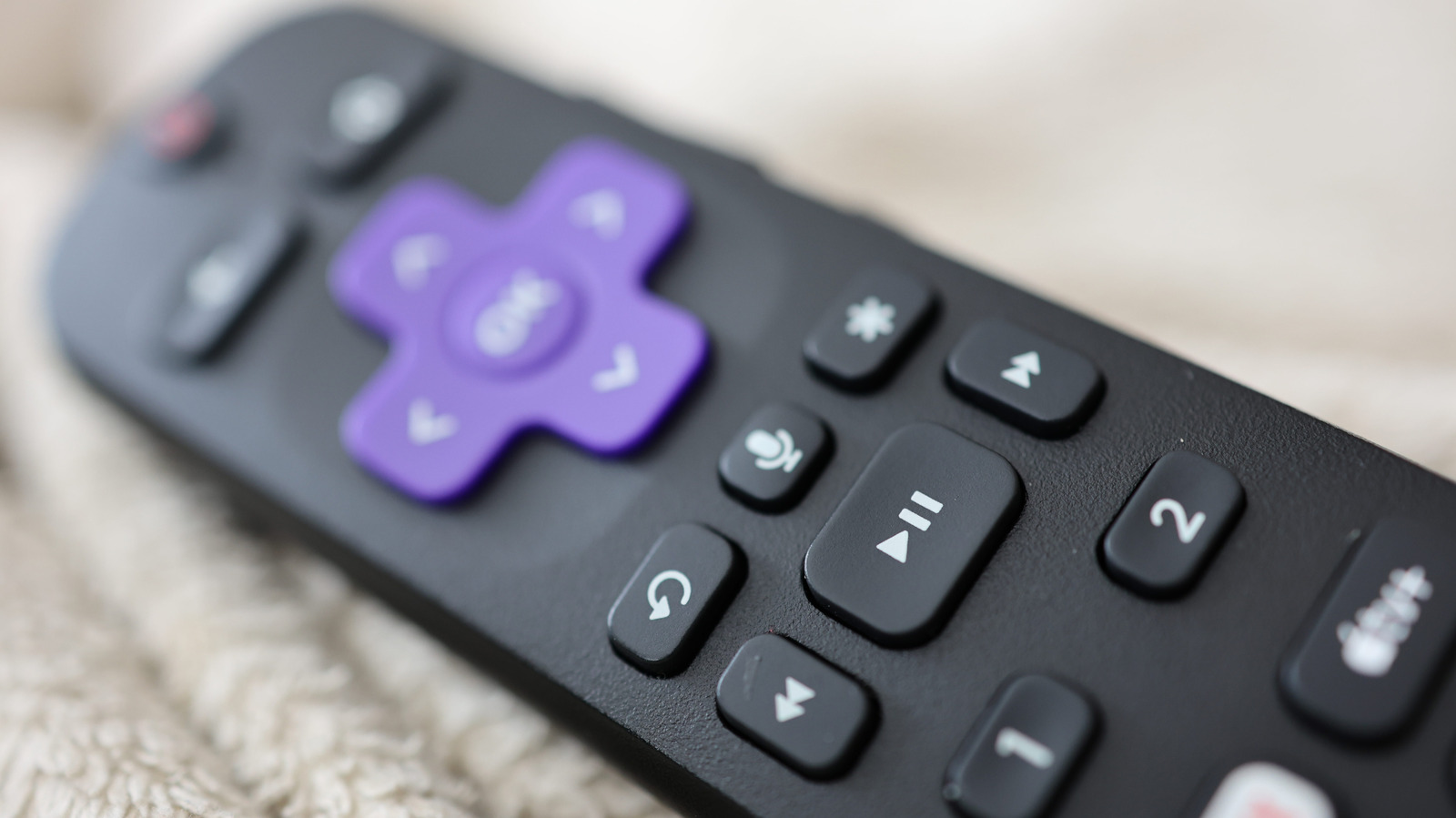
💡Learn how voice-activated interfaces are bridging the gap between proprietary software and legacy hardware.
⚡ 30-Second TL;DR
What Changed
Enabling voice control on non-Roku hardware
Why It Matters
This demonstrates the expansion of voice-activated interfaces into legacy hardware, a key trend in ambient computing.
What To Do Next
Explore integrating CEC protocols into your IoT projects to enable cross-device hardware control.
Key Points
- •Enabling voice control on non-Roku hardware
- •Remote configuration steps for cross-brand compatibility
- •Hands-free interaction improvements for home entertainment
🧠 Deep Insight
AI-generated analysis for this event — not the original article.
🔑 Enhanced Key Takeaways
- •Roku's voice control functionality for non-Roku TVs relies on HDMI-CEC (Consumer Electronics Control) protocols to bridge communication between the Roku remote and the television's power and volume systems.
- •The 'Roku Voice Remote Pro' and newer 'Voice Remote' models utilize a proprietary pairing process that automatically detects TV brands via IR (Infrared) codes during the initial setup phase.
- •Users must ensure that '1-Touch Play' and 'System Standby' features are enabled within the TV's specific settings menu for the Roku remote to successfully control power and volume on third-party hardware.
- •Roku's voice command integration is limited to specific TV brands; while it supports most major manufacturers, some budget or legacy displays may lack the necessary CEC handshake compatibility.
- •The Roku mobile app serves as a secondary control interface, allowing users to bypass physical remote limitations by using the smartphone's microphone for voice commands routed through the Roku player.
📊 Competitor Analysis▸ Show
| Feature | Roku Voice Remote | Amazon Fire TV Alexa Remote | Apple TV Siri Remote |
|---|---|---|---|
| Voice Integration | Roku Voice / Search | Alexa | Siri |
| TV Control | HDMI-CEC / IR | HDMI-CEC / IR | HDMI-CEC / IR |
| Ecosystem | Roku OS | Fire OS | tvOS |
| Pricing | Included / ~$29.99 | Included / ~$29.99 | ~$59.00 |
🛠️ Technical Deep Dive
- HDMI-CEC Implementation: Uses the CEC channel to send 'User Control Pressed' and 'User Control Released' commands to the TV.
- IR Blaster: The remote contains an internal IR emitter that transmits specific manufacturer codes to control volume and power when CEC is not supported or disabled.
- Voice Processing: Audio is captured by the remote's microphone, compressed, and transmitted via Wi-Fi Direct or Bluetooth to the Roku player, which then processes the natural language query.
- Pairing Protocol: Utilizes a proprietary handshake over the 2.4GHz/5GHz band to establish a persistent connection between the remote and the Roku streaming device.
🔮 Future ImplicationsAI analysis grounded in cited sources
⏳ Timeline
Weekly AI Recap
Read this week's curated digest of top AI events →
👉Related Updates

AI-curated news aggregator. All content rights belong to original publishers.
Original source: Engadget ↗
This is a summary, not the original. Read the source, or get the weekly briefing.
The weekly digest
One email a week. Unsubscribe anytime.