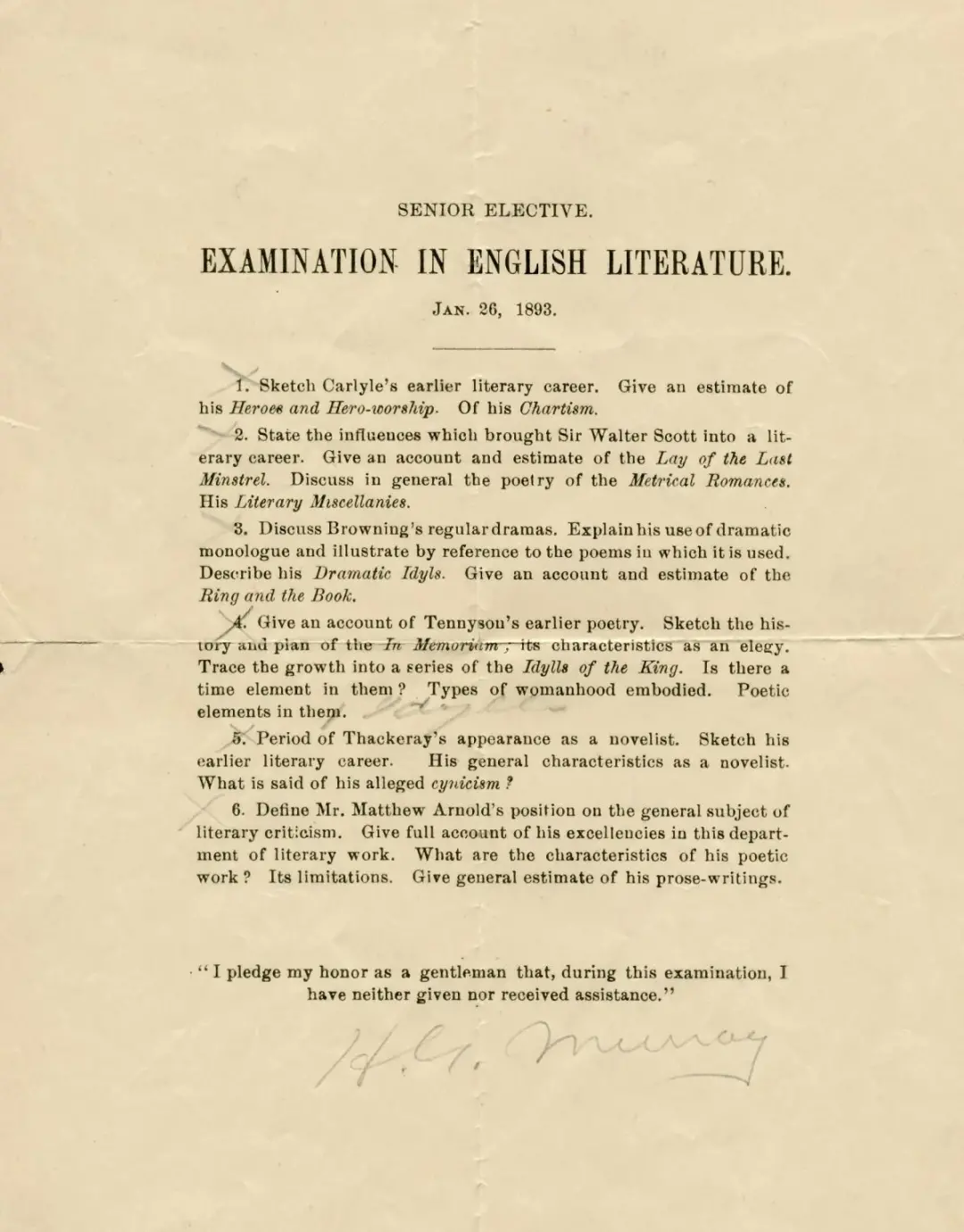
Princeton ends 133-year unproctored exam tradition
💡Academic integrity shifts at top universities often dictate the adoption of AI-proctoring and detection technologies.
⚡ 30-Second TL;DR
What Changed
Faculty voted to end the 1893 Honor Code
Why It Matters
This signals a broader shift in academic institutions toward stricter oversight, which may influence how universities manage AI-assisted cheating in the future.
What To Do Next
If building EdTech tools, anticipate increased demand for AI-based proctoring and integrity verification features in university settings.
Key Points
- •Faculty voted to end the 1893 Honor Code
- •New policy mandates proctors for all offline exams
- •Shift reflects changing academic integrity standards
🧠 Deep Insight
Web-grounded analysis with 16 cited sources.
🔑 Enhanced Key Takeaways
- •The primary catalyst for the policy change was the proliferation of AI tools like ChatGPT and Gemini, which made cheating easier to execute and significantly harder for fellow students to detect and report, undermining the student-led accountability aspect of the Honor Code.
- •Despite the change in exam administration, the core Honor Code itself and the student-run Honor Committee responsible for adjudicating violations will remain in place, with students still required to sign an honor pledge before exams.
- •The faculty's decision on May 11, 2026, was nearly unanimous, with only one dissenting vote, following months of deliberation and requests from both undergraduates and faculty who perceived cheating as widespread.
- •Under the new policy, instructors will serve as non-interfering observers during exams, documenting suspected violations for the Honor Committee rather than students being solely responsible for peer reporting, a shift partly driven by student reluctance to report classmates due to fears of online harassment.
- •A student survey conducted prior to the vote indicated a slight majority (50.1%) of Princeton students supported proctored examinations, while 44.9% were opposed, reflecting a divided but leaning sentiment towards the change.
🔮 Future ImplicationsAI analysis grounded in cited sources
⏳ Timeline
📎 Sources (16)
Factual claims are grounded in the sources below. Forward-looking analysis is AI-generated interpretation.
Weekly AI Recap
Read this week's curated digest of top AI events →
👉Related Updates

AI-curated news aggregator. All content rights belong to original publishers.
Original source: cnBeta (Full RSS) ↗