Pixel 11 Uses 3nm Tensor G6, Not 2nm
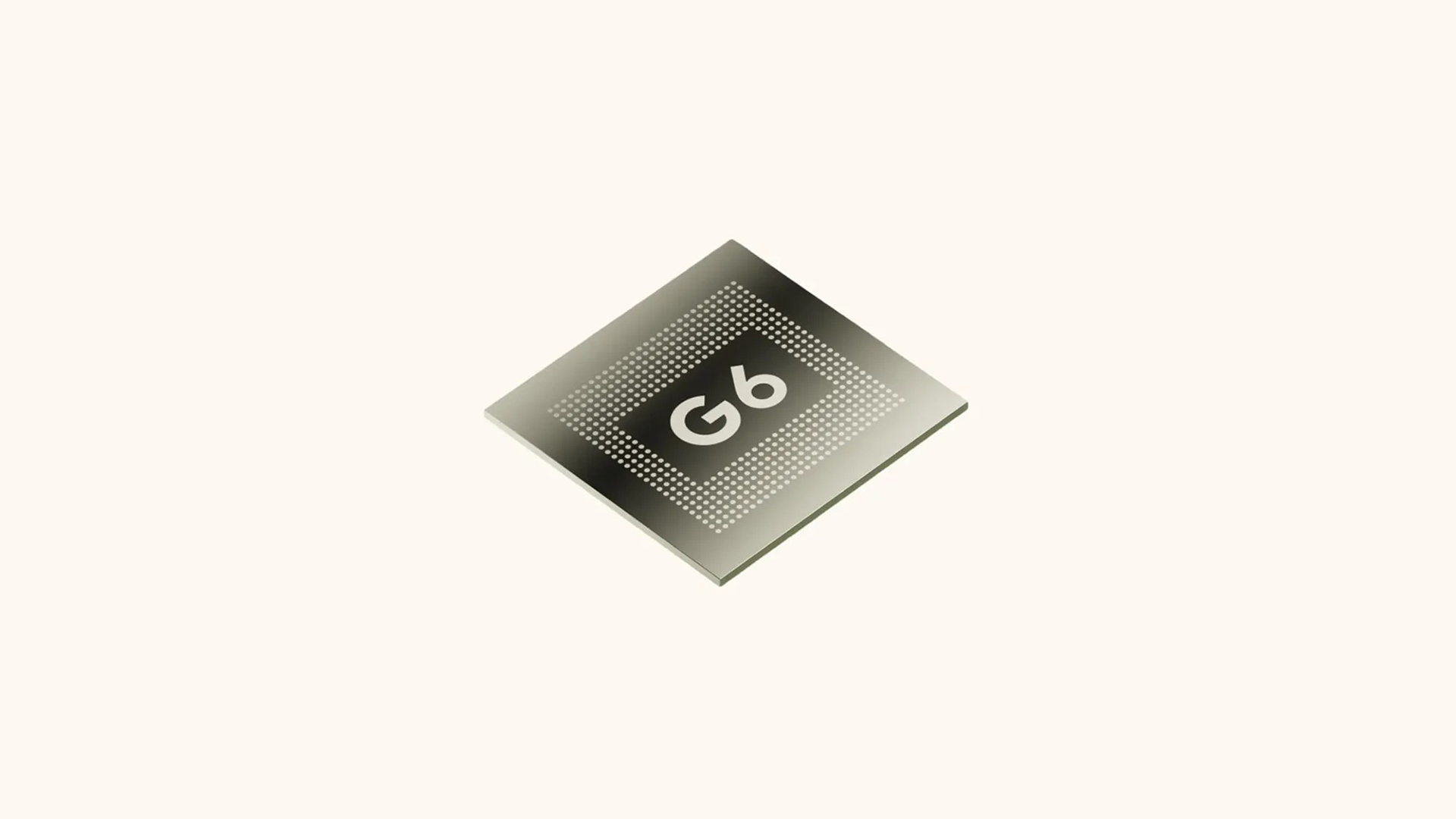
💡The 3nm Tensor G6 confirmation clarifies the hardware target for Pixel 11 on-device AI development.
⚡ 30-Second TL;DR
What Changed
All Pixel 11 models reportedly use Google’s Tensor G6 processor.
Why It Matters
The 3nm confirmation provides clearer expectations for Pixel 11’s power efficiency and AI-processing capabilities. For developers, the device remains relevant as a target platform for on-device AI features across the full product lineup.
What To Do Next
Test your on-device ML features on a Pixel 11 or Tensor G6 development device, focusing on latency, thermal behavior, and battery consumption.
Key Points
- •All Pixel 11 models reportedly use Google’s Tensor G6 processor.
- •Tensor G6 is manufactured using a 3nm process rather than the previously rumored 2nm process.
- •The Pixel 11 series has officially launched and entered preorders.
🧠 Deep Insight
AI-generated analysis for this event.
🔑 Enhanced Key Takeaways
- •The Tensor G6 marks Google's continued reliance on TSMC's 3nm node, specifically the N3P process, which offers improved power efficiency and transistor density over the previous N4P node used in the Tensor G5.
- •Industry analysts suggest the decision to stick with 3nm for the G6 was driven by cost-optimization and yield stability, as 2nm production capacity remains constrained and expensive in 2026.
- •Peng Yu-Chun emphasized that the G6 architecture focuses heavily on custom TPU (Tensor Processing Unit) enhancements to accelerate on-device generative AI tasks, rather than raw clock speed increases.
- •The Pixel 11 series integration of the G6 includes a new 'Security Core' architecture designed to handle real-time biometric authentication and encrypted data processing independently of the main application processor.
- •Despite the 3nm process, the Tensor G6 incorporates a redesigned thermal management system within the SoC packaging to mitigate the overheating issues that plagued earlier Tensor generations.
📊 Competitor Analysis▸ Show
| Feature | Google Pixel 11 (Tensor G6) | Apple iPhone 18 (A20 Pro) | Samsung Galaxy S26 (Snapdragon 8 Gen 5) |
|---|---|---|---|
| Process Node | 3nm (N3P) | 2nm | 3nm |
| AI Focus | On-device GenAI | Neural Engine / Private Cloud | NPU / Hybrid AI |
| Pricing (Base) | $799 | $999 | $899 |
| Benchmark Focus | TPU Efficiency | Single-Core Performance | Multi-Core / Gaming |
🛠️ Technical Deep Dive
- Architecture: Utilizes a heterogeneous multi-core design with a focus on high-efficiency cores for background AI tasks.
- Manufacturing: Fabricated on TSMC N3P node, providing a balance between performance, power, and area (PPA).
- TPU: Upgraded Tensor Processing Unit optimized for transformer models and large language model (LLM) inference.
- Connectivity: Integrated Exynos 5600-series modem for improved 5G signal stability and power efficiency.
- Thermal: Advanced FOWLP (Fan-Out Wafer-Level Packaging) to improve heat dissipation across the chip surface.
🔮 Future ImplicationsAI analysis grounded in cited sources
⏳ Timeline
Weekly AI Recap
Read this week's curated digest of top AI events →
👉Related Updates


AI-curated news aggregator. All content rights belong to original publishers.
Original source: cnBeta (Full RSS) ↗