Microsoft Plans to Eliminate SMS Verification
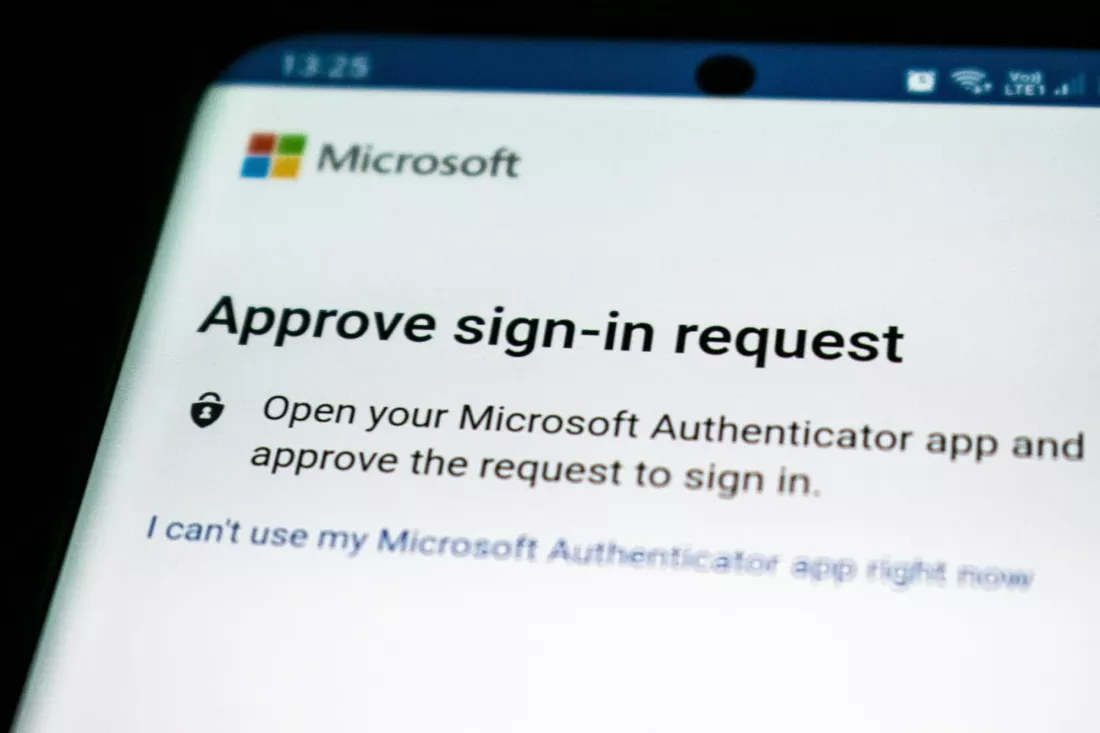
💡AI-powered phishing is making SMS MFA riskier—see how Microsoft is changing authentication.
⚡ 30-Second TL;DR
What Changed
Microsoft has created a concrete plan to stop sending SMS verification codes.
Why It Matters
AI practitioners managing developer platforms, cloud services, or enterprise accounts may need to migrate users away from SMS-based authentication. Stronger alternatives could reduce phishing exposure, but the transition may create accessibility and account-recovery challenges.
What To Do Next
Audit your Microsoft Entra ID sign-in policies and pilot passkeys or authenticator-app MFA for accounts that still depend on SMS.
Key Points
- •Microsoft has created a concrete plan to stop sending SMS verification codes.
- •SMS is being phased out because it provides weaker protection than modern authentication methods.
- •AI-assisted phishing attacks are cited as a major reason for accelerating the change.
🧠 Deep Insight
AI-generated analysis for this event.
🔑 Enhanced Key Takeaways
- •Microsoft is prioritizing the transition toward FIDO2-compliant passkeys and the Microsoft Authenticator app's push-based verification as the primary replacements for SMS-based MFA.
- •The initiative aligns with the broader 'Passwordless' strategy Microsoft has been aggressively promoting since the launch of Windows Hello and FIDO2 support in Azure Active Directory.
- •Security researchers have identified that SMS-based MFA is uniquely vulnerable to SS7 protocol exploits and SIM-swapping attacks, which have become increasingly automated by AI-driven social engineering.
- •Enterprise customers will likely be given a phased transition period, with Microsoft expected to introduce conditional access policies that block SMS as an authentication method for high-risk user accounts first.
- •The move is part of a larger industry shift, with NIST (National Institute of Standards and Technology) having previously deprecated SMS as an 'out-of-band' authentication method in its digital identity guidelines.
📊 Competitor Analysis▸ Show
| Feature | Microsoft (Authenticator/FIDO2) | Google (Prompt/Passkeys) | Okta (Verify/FastPass) |
|---|---|---|---|
| Primary MFA Method | Push Notification / FIDO2 | Push Notification / Passkeys | Push Notification / FIDO2 |
| SMS Support Status | Phasing Out | Deprioritizing | Optional (Configurable) |
| Ecosystem Integration | Deep Windows/Azure/M365 | Deep Android/Chrome/Workspace | Agnostic/Enterprise-focused |
| AI Threat Defense | High (Integrated Identity Protection) | High (Advanced Protection Program) | High (Adaptive Risk Scoring) |
🛠️ Technical Deep Dive
- Transition focuses on moving from OOB (Out-of-Band) SMS codes to FIDO2/WebAuthn protocols.
- FIDO2 utilizes public-key cryptography where the private key remains on the user's device (TPM or Secure Enclave) and never travels over the network.
- Microsoft's implementation relies on the Microsoft Authenticator app acting as a FIDO2 authenticator, leveraging the device's biometric sensors (FaceID/TouchID/Windows Hello) to sign authentication challenges.
- The shift eliminates the risk of interception via SMS redirection or man-in-the-middle (MITM) attacks that target the signaling layer of mobile networks.
🔮 Future ImplicationsAI analysis grounded in cited sources
⏳ Timeline
Weekly AI Recap
Read this week's curated digest of top AI events →
👉Related Updates

AI-curated news aggregator. All content rights belong to original publishers.
Original source: cnBeta (Full RSS) ↗