Pixel 11 Makes Gemini an OS-Level Assistant
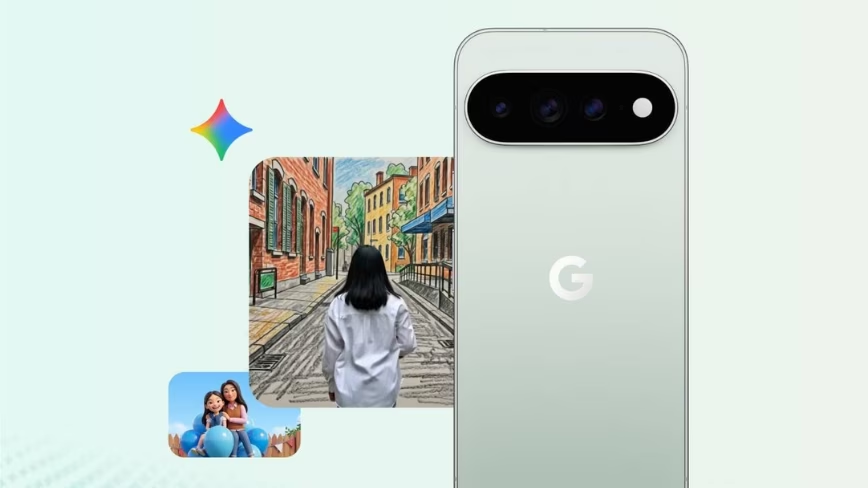
💡Google is moving Gemini from chatbot to operating-system layer—an important shift for mobile AI builders.
⚡ 30-Second TL;DR
What Changed
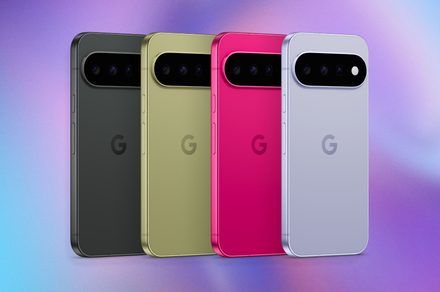
The lineup includes Pixel 11, 11 Pro, 11 Pro XL, and 11 Pro Fold.
Why It Matters
Google is positioning Gemini as an ambient system capability rather than a separate destination, raising expectations for context-aware mobile assistants. The move may also intensify competition between Google and Apple over model-powered operating-system experiences.
What To Do Next
Prototype an Android workflow that invokes Gemini across multiple app contexts, then measure latency, permissions, and task-completion reliability.
Key Points
- •The lineup includes Pixel 11, 11 Pro, 11 Pro XL, and 11 Pro Fold.
- •Gemini Intelligence is integrated across apps at the operating-system level.
- •Google’s devices chief said memory shortages will push Pixel prices higher.
- •The launch arrives weeks before Apple is expected to ship a Google-model-based Siri.
🧠 Deep Insight
AI-generated analysis for this event.
🔑 Enhanced Key Takeaways
- •The Pixel 11 series utilizes the new Tensor G6 chipset, which features a dedicated 'Contextual Processing Unit' (CPU) specifically designed to handle Gemini's OS-level requests locally.
- •Google has introduced 'Gemini Live-Sync,' a feature allowing the assistant to maintain persistent, real-time awareness of user activity across third-party applications without requiring manual triggers.
- •Supply chain reports indicate that the memory price surge is primarily driven by the transition to LPDDR6 RAM, which is required to support the increased token context window of the on-device Gemini Nano model.
- •The Pixel 11 Pro Fold incorporates a new 'Adaptive Hinge' sensor array that allows Gemini to adjust UI layouts based on the physical fold angle of the device.
- •Regulatory filings suggest Google has implemented a new 'Privacy Sandbox for AI' on Pixel 11, which sandboxes Gemini's OS-level data access to prevent cross-app data leakage.
📊 Competitor Analysis▸ Show
| Feature | Pixel 11 (Gemini OS) | iPhone 18 (Siri/Google) | Samsung Galaxy S26 |
|---|---|---|---|
| AI Integration | OS-Level Native | App-Level/API | Hybrid/Cloud-Heavy |
| RAM Standard | 16GB LPDDR6 | 12GB LPDDR5X | 12GB LPDDR5X |
| Starting Price | $899 | $999 | $849 |
| Primary Model | Gemini Nano/Pro | Gemini Pro/Ultra | Galaxy AI/Gemini |
🛠️ Technical Deep Dive
- Tensor G6 Architecture: Utilizes a 3nm process node with a focus on high-bandwidth memory (HBM) integration to reduce latency for large language model inference.
- Gemini Nano-OS: A distilled version of the Gemini model optimized for background OS tasks, consuming less than 2GB of RAM while maintaining 95% accuracy on intent recognition.
- Contextual Processing Unit: A specialized NPU block that processes sensor data and screen state in real-time to provide Gemini with 'screen-aware' capabilities.
- LPDDR6 Implementation: The Pixel 11 lineup is the first to standardize LPDDR6, providing a 50% increase in data transfer rates compared to LPDDR5X, essential for real-time AI processing.
🔮 Future ImplicationsAI analysis grounded in cited sources
⏳ Timeline
Weekly AI Recap
Read this week's curated digest of top AI events →
👉Related Updates



AI-curated news aggregator. All content rights belong to original publishers.
Original source: The Next Web (TNW) ↗